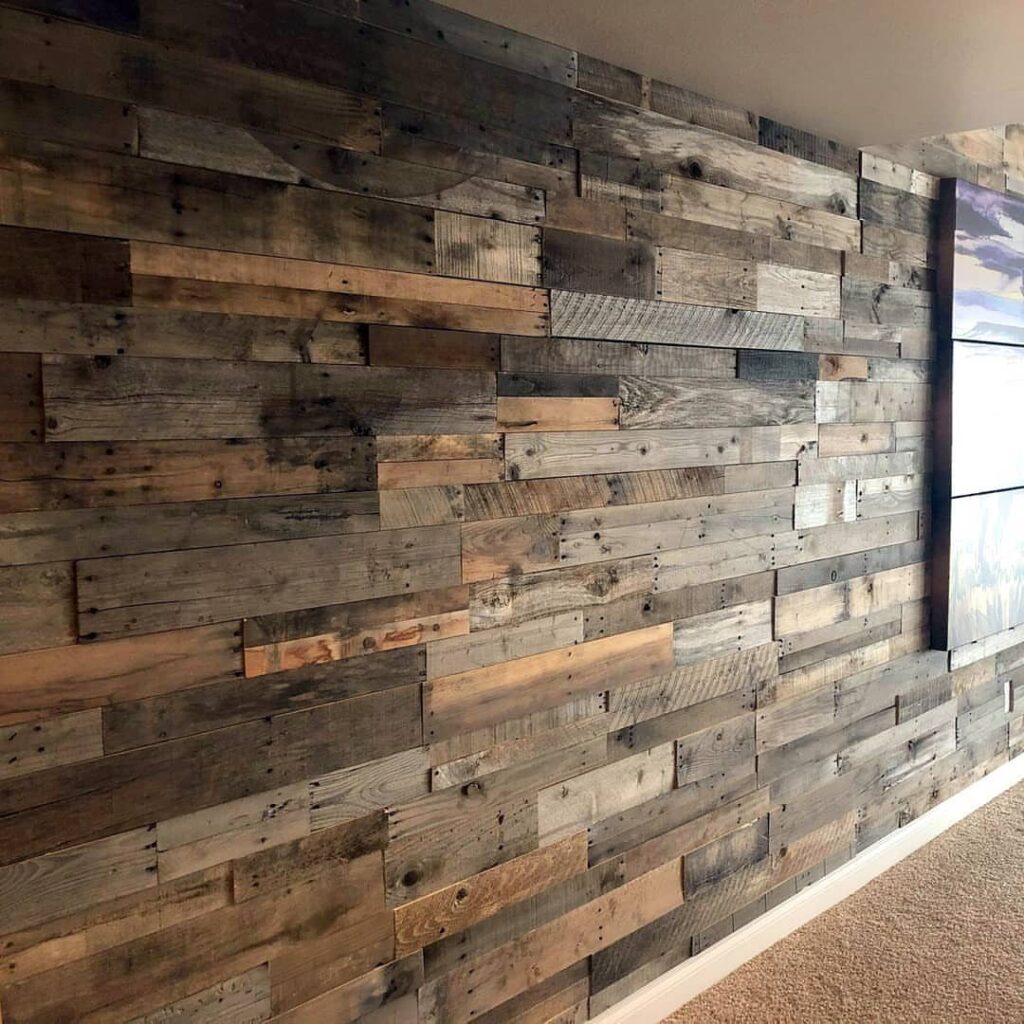
These wall panel living room ideas start with scrap wood and a free weekend, then stretch up to marble that needs a pro installer and a budget to match.
The gap between panel and drywall matters more than most people notice; it is where sound-trapping felt or hidden LED channels actually do their work.
[link-whisper-related-posts]1. Acoustic Wall Panels
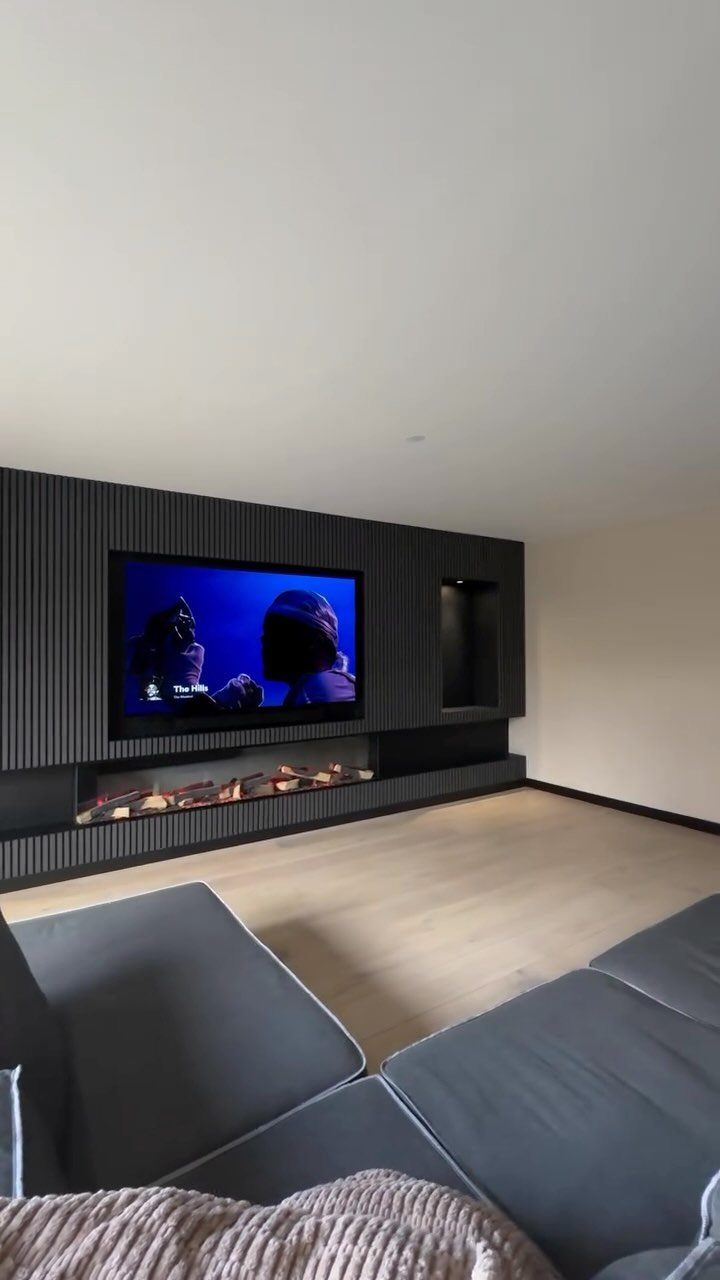
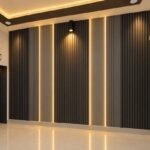
Black slatted panels over a fireplace and TV cut echo in a hard-surfaced room better than bare drywall ever could. The gaps between slats trap sound that would otherwise bounce off glass and stone.
I would check whether the panel backing is actually acoustic felt or just open air; the felt costs more but works for voices and TV audio, not just loud volume.
If your living room has high ceilings or tile floors, the slats help more than in a carpeted space already swallowing noise.
Pre-made acoustic slat systems cost plenty, but building the frame yourself and sourcing felt separately brings the price down sharply. These sit several inches off the wall, so you lose a little floor space.

Modern and Elegant Design - The wood slat wall panels have been carefully designed to effortlessly transform any space, enhancing the surroundings both visually and acoustically. The wood panels help to create an environment that is not only quiet but beautifully contemporary, soothing and relaxing. Furthermore, our slat wall panels can be installed horizontally or vertically and cut to any shape allowing for creativity and a unique look to fit your aesthetics.

High-Quality Wall Panels: Our acoustic panel set is crafted with high-density polyester fiber, premium medium-density fiberboard, and a solid wood veneer. This combination provides an elegant look, superior sound damping, and excellent sound deadening, significantly improving room acoustics
2. Upcycled Materials Wall Panels
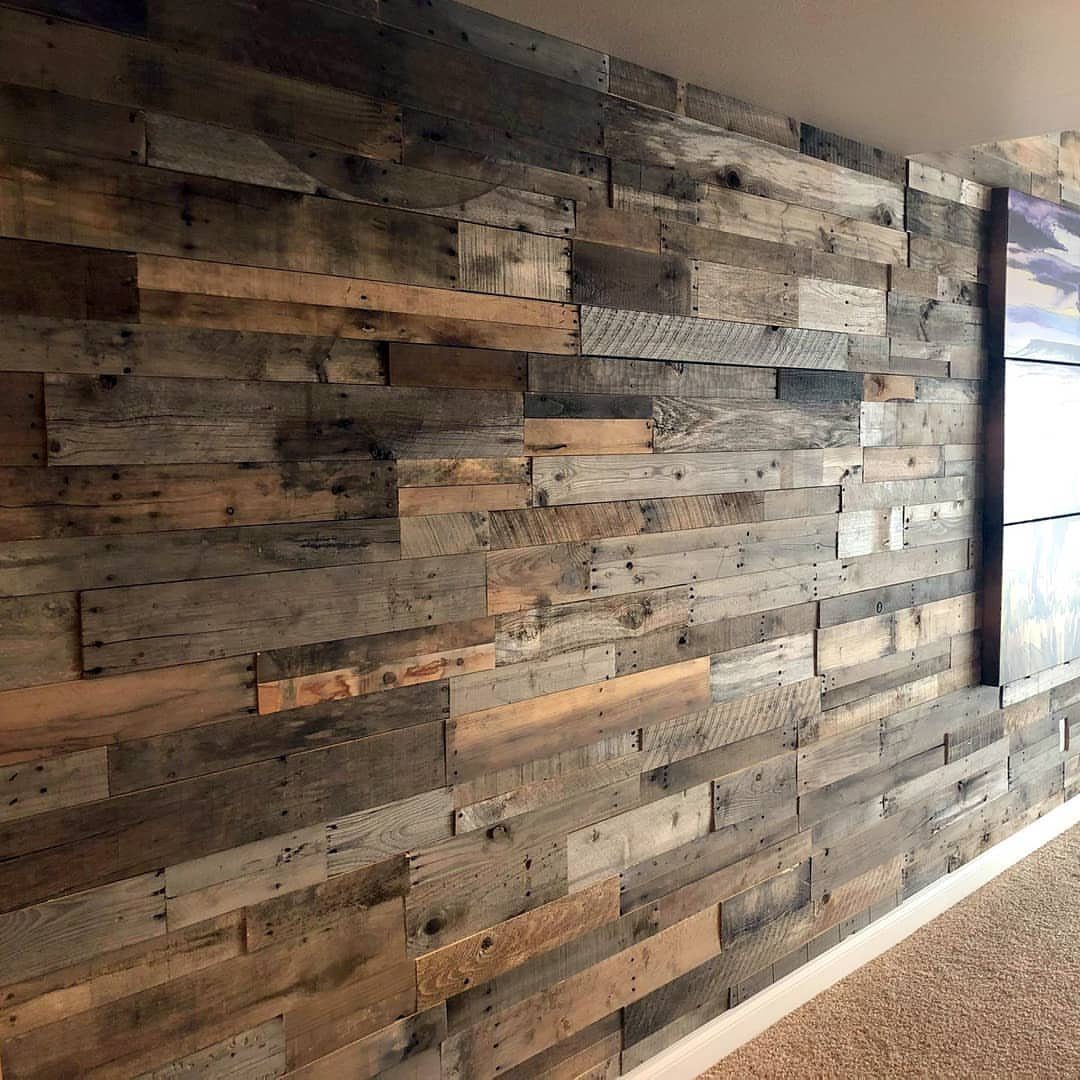
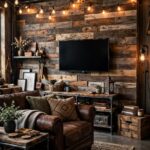
Weathered planks in staggered widths turn scrap wood into something no factory panel copies. The variation in tone comes from whatever the wood already weathered through, not from stain applied after.
Salvage yards and demolition contractors sell barn siding or dock boards by the square foot, usually cheaper than new pine.
I look for a green seal or ask directly where the wood came from; "reclaimed" gets used loosely on mass-market panels stamped to look old. Real reclaimed needs checking for nails, rot, and whether it has been heat-treated against pests.
The install takes longer because no two pieces match. A weekend plus an extra day for sorting and fitting is realistic.
For renters, this is mostly out; the weight and the attachment method need real studs.

【REAL WOOD】– Made of 100% dried fir wood imitating vintage reclaimed barnwood appearance for interior finish. The colors will vary from browns to grays depending on the batch.

Real Wood Wall Planks: 100% Real Barn Wood Wall Planks With Natural Knots and Dents, the Surface Of Wood Shiplap Planks Is Processed With High Temperature Carbonization, the Real Wood Wall Shiplap Planks Is Non-Toxic, Sterilized and More Safe For Children, Voc Free Process Ensures These Stick on Shiplap Planks For Walls Are Safe To Use In Home
3. Accent Wall Panels
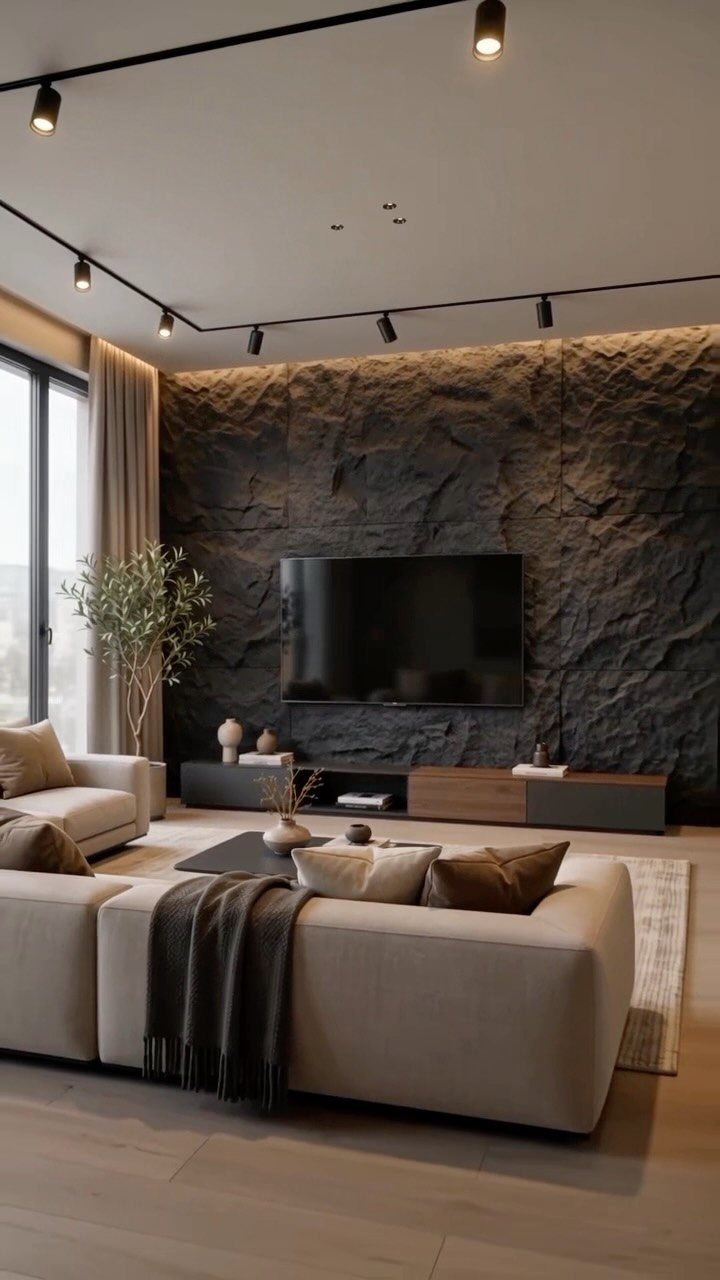
A single textured wall behind the TV saves you from treating the whole room. Dark stone-look panels against lighter furniture draw the eye to where you already want it, and they hide cable clutter better than paint.
The material matters more than the color. Lightweight polyurethane panels screw to studs like drywall; real stone needs structural support and a mason’s price.
I have seen the faux version hold up fine for years, though it chips if something hard hits the edge.
Measure the wall behind your screen and plan the panel seams to fall where the TV or console covers them. If the wall has windows or doors breaking it up, the effect fragments; this idea wants one uninterrupted plane.

RECLAIMED WOOD ACCENT: Real reclaimed and recycled wood, naturally-weathered wood paneling adds a beautiful, rustic accent to your walls

Reclaimed Wood Panels: Reclaimed wood paneling for walls is designed to create accent walls, feature walls, and interior spaces; these wall board panels feature a barnwood look with rustic color variations, reflecting the unique story of each piece

🪵 Authentic Reclaimed Barnwood: Made from 100% authentic, real weathered wood, reclaimed in Oklahoma, USA for true rustic character.
4. Grey Fluted Wall Panels
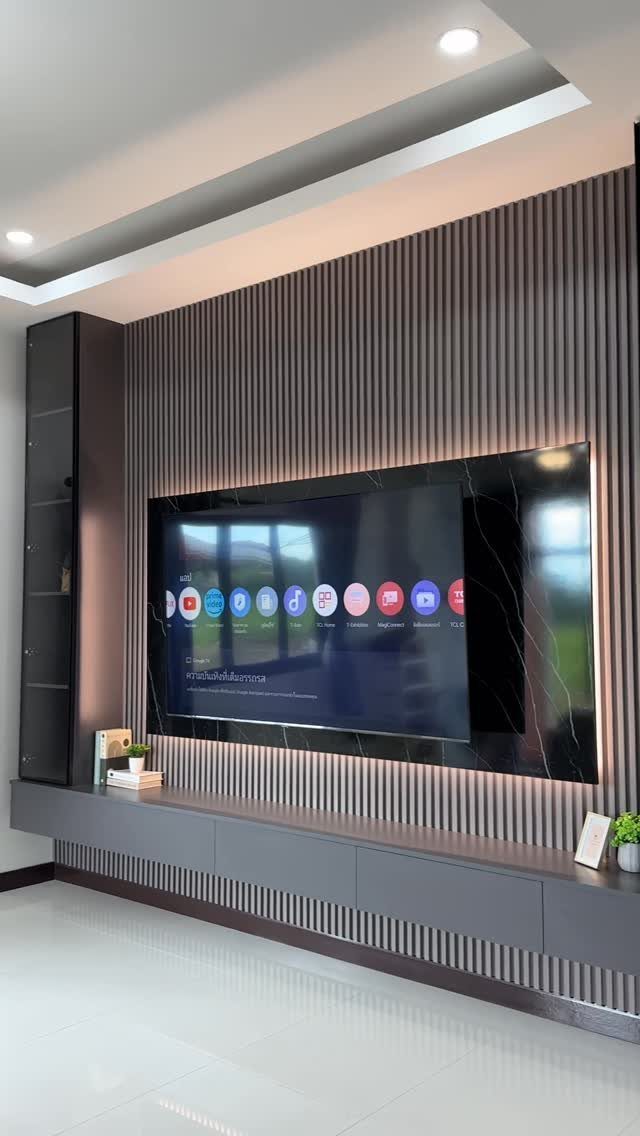
Vertical grey flutes behind a TV read as architecture, not decoration, because the lines repeat exactly. The grey keeps it quiet enough that the screen still dominates; a bolder color would fight what you are watching.
Fluted panels come in MDF, PVC, and solid wood. MDF takes paint well but swells if moisture hits it; PVC handles basement humidity but looks plastic up close.
I would run my hand across a sample before ordering, since the depth of the groove changes the shadow and the price.
Backlighting the top and bottom needs a gap behind the panels and a channel for LED strip. Add extra time to the install for that wiring, or skip it and keep the look simpler.

Immersive 3D Depth & Realistic Texture: Transform your space with dramatic cement-like texture and deep dimensional relief. Our panels create captivating focal walls in living rooms, bedrooms, offices, or entertainment areas—instantly elevating any interior with modern character

Realistic Travertine 3D Wall Panels: Made of durable PVC with faux artificial grain, these peel and stick wall panels bring the natural look of travertine stone into your home. The marble texture and matte finish create a stylish, modern accent for living room, bedroom, or office décor.

What You Get:Transform ordinary walls with a natural stone-inspired look without the heavy weight and complex work of traditional stone. Each set includes 4 faux stone wall panels covering approximately 31 sq. ft. Each panel measures 47.2" x 23.6" and can be trimmed to fit your space.
5. Vertical Wood Grain Panels
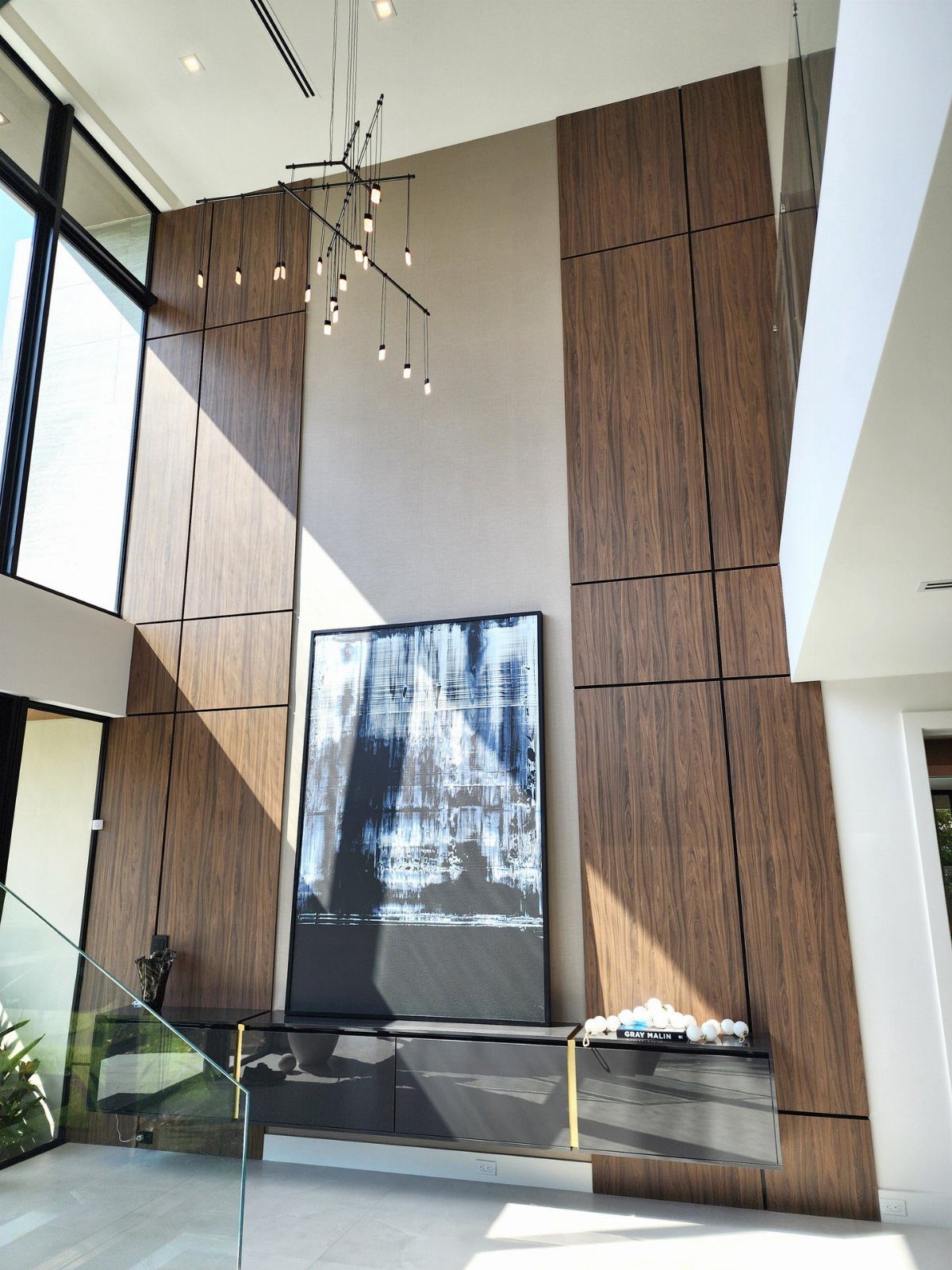
Tall vertical grain pulls ceiling height upward better than horizontal planks, which widen a room instead.
I would order extra material for the height match, since grain that flows across a seam needs careful selection from the stack.
This suits rooms with tall ceilings or higher. In a standard-height space, the vertical emphasis turns claustrophobic.
A lower ceiling calls for shorter panels wainscot-height, with paint above.

TRUE-TO-NATURE 3D REALISM: Crafted from premium high-density polyurethane (PU), our faux stone wall panels perfectly replicate the rugged texture, deep crevices, and color variations of natural stone. Unlike cheap foam or flat wallpapers, these 1.18-inch thick 3D artificial rock veneers fool the eye and touch, instantly upgrading your space with a high-end, realistic masonry aesthetic.

TRUE-TO-NATURE 3D REALISM: Crafted from premium high-density polyurethane (PU), our faux stone wall panels perfectly replicate the rugged texture, deep crevices, and color variations of natural stone. Unlike cheap foam or flat wallpapers, these 1.18-inch thick 3D artificial rock veneers fool the eye and touch, instantly upgrading your space with a high-end, realistic masonry aesthetic.

TRUE-TO-NATURE 3D REALISM: Crafted from premium high-density polyurethane (PU), our faux stone wall panels perfectly replicate the rugged texture, deep crevices, and color variations of natural stone. Unlike cheap foam or flat wallpapers, these 1.18-inch thick 3D artificial rock veneers fool the eye and touch, instantly upgrading your space with a high-end, realistic masonry aesthetic.
6. Marble and Wood Panel Combination
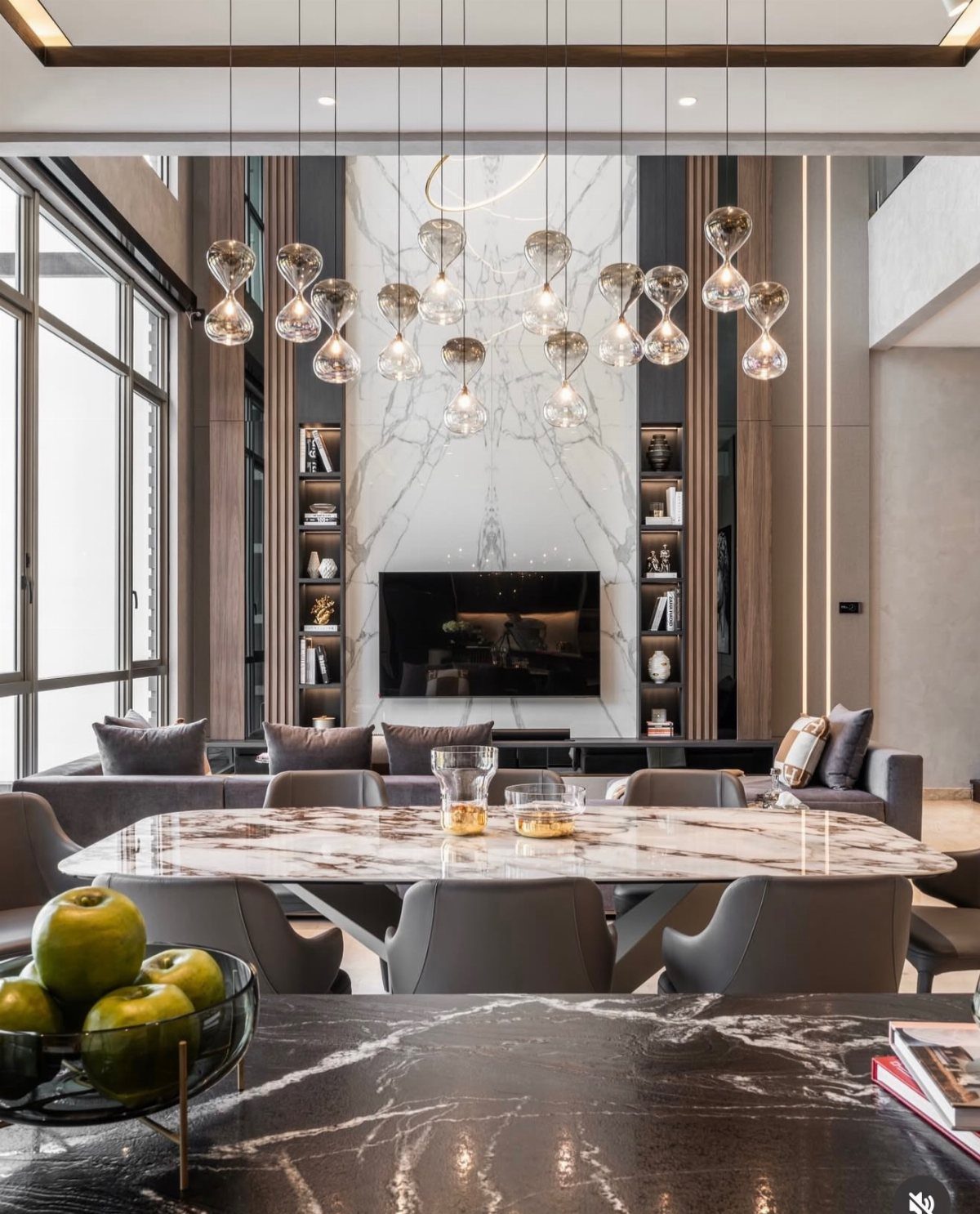
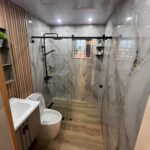
Bookmatched marble, where two slabs mirror each other at the seam, costs more than random layout but gives the wall a deliberate symmetry that reads as designed, not assembled.
Real bookmatched Calacatta or Statuario runs high per square foot installed. Porcelain printed to match cuts that sharply and fools the eye from a few steps back; touch it and the difference is obvious.
I would use porcelain for a rental or a first home you plan to leave soon, stone only if you are staying put.
The wood panels need to sit slightly recessed or flush; proud of the marble, they look like an afterthought. Check the thickness before you order both materials.

Cover More Walls with Fewer Panels: This 6-pack wood panels for wall set covers approximately 46.5 sq ft with six oversized panels, making it easier to complete feature walls, media walls and larger interior projects with fewer seams and a cleaner finished appearance

EFFECTIVE SOUND ABSORPTION: These acoustic wall panels help reduce echo and soften reverb for clearer calls, gaming, music, and TV sound, giving home offices, studios, bedrooms, and living rooms a calmer feel than basic foam acoustic panels
7. 3D Wavy Sculptural Wall Panel
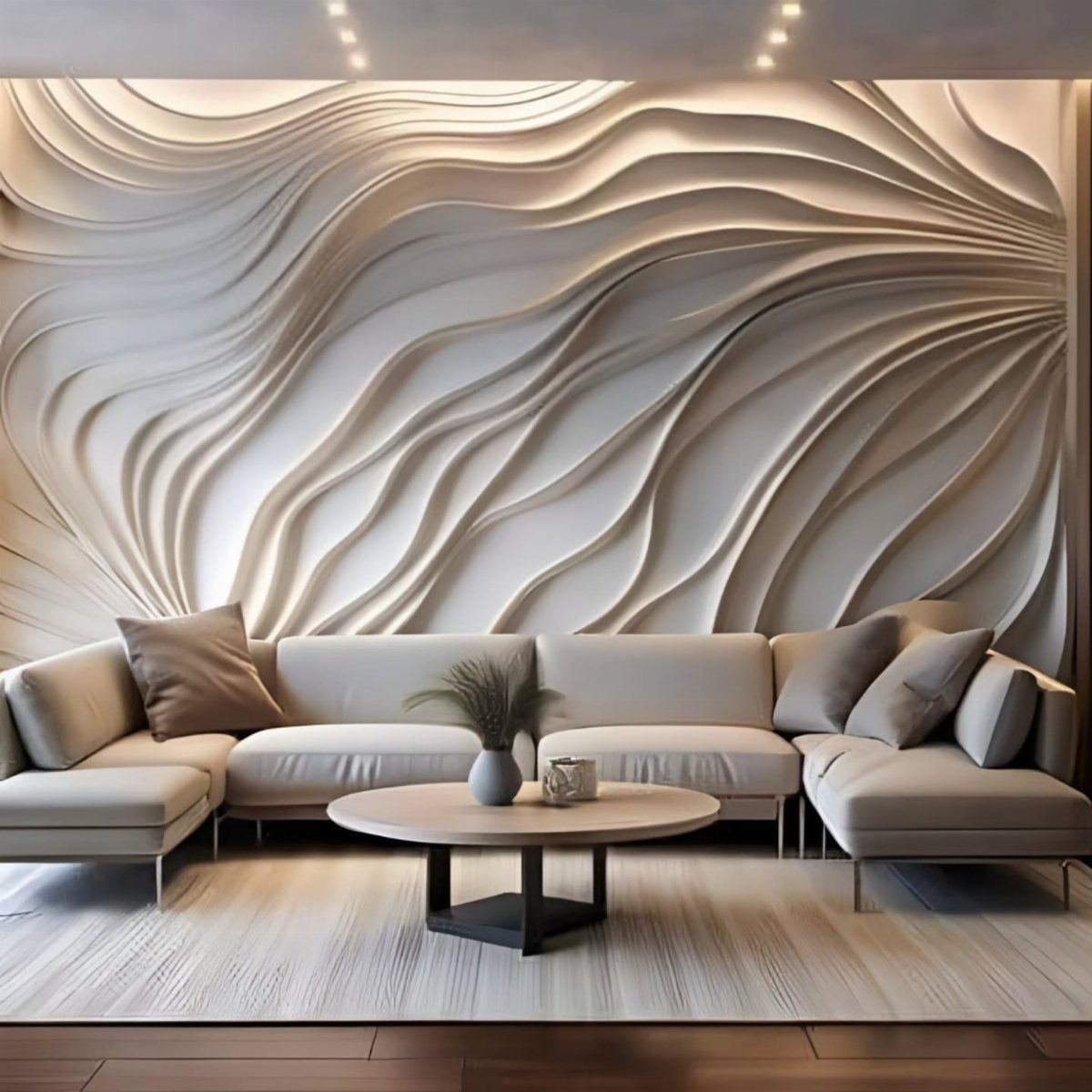
A 3D wavy sculptural wall panel turns a flat wall into the room’s main event without adding a single piece of furniture.
A white flowing form reads as modern art and ambient light source at once, since the ridges catch and throw shadows from any nearby lamp.
These panels install like standard wallboard sections, screwed to studs or glued to a flat backing. The wall behind them matters: every bump telegraphs through, so skim-coating first is non-negotiable.
Paintable resin or MDF versions run a wide range per panel, and a sofa wall typically needs several to cover the span.
I would only do this on a wall that faces the door, not one you walk past sideways.
The depth gets lost in profile view, and the protruding ridges eat more floor space than flat paneling, something you will notice in a narrow room.
For renters, lightweight foam panels with removable adhesive backing exist, though they read more stage set than architecture. If your lease ends in a year, that tradeoff works.
If you own, the permanent version pays off in resale; buyers remember the house with the wave wall.
RECLAIMED WOOD ACCENT: Real reclaimed and recycled wood, naturally-weathered wood paneling adds a beautiful, rustic accent to your walls

DIY a One-of-a-Kind Rustic Look For Your Home Using Our Whitewashed Reclaimed Wall Planks. Each 100% Reclaimed in the U.S. Each Wood Panel is Slightly Unique, Giving You an Authentic Vintage Look For Your Project,
Reclaimed Wood Panels: Reclaimed wood paneling for walls is designed to create accent walls, feature walls, and interior spaces; these wall board panels feature a barnwood look with rustic color variations, reflecting the unique story of each piece
Functionality of Wall Panels
Before you settle on a panel type, be honest about what job it needs to do.
Soundproofing, hiding damage, or simply giving the eye something to rest on are three different briefs that send you to different materials and price brackets.
Acoustic panels with real felt backing do something paint and thin MDF cannot. Without that backing, you have decoration with holes.
For renters, this functional distinction matters twice over. A panel that actually dampens sound needs real depth off the wall, which means lost floor space and a landlord who notices.
A purely decorative panel can sit flatter and move with you. Decide which problem you are solving before you measure.
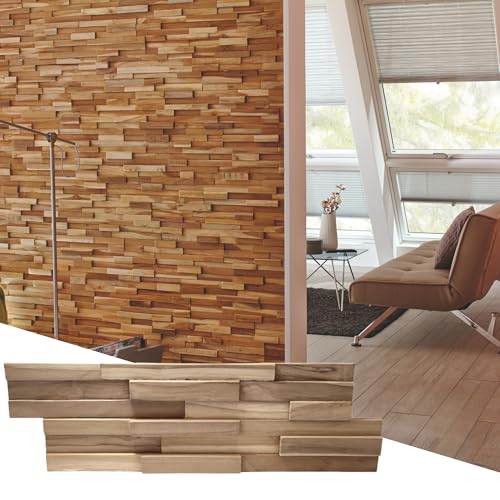
Premium real wood wall panels: beautiful hand-selected reclaimed and upcycled Asian teak wood wall panels
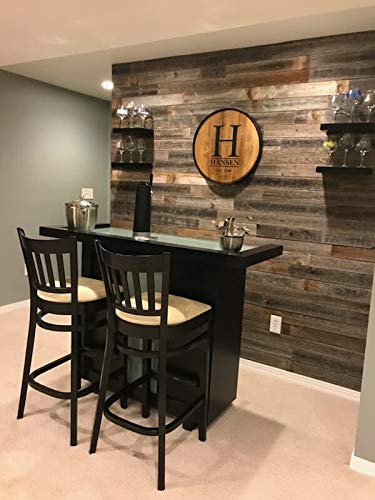
✔️100% REAL wood with adhesive strips on the back that are easy to install
Aesthetic Appeal
The look of a panel wall depends more on what surrounds it than on the panel itself.
A grey fluted wall behind a TV works because the rest of the room stays quieter; the same grey in a room already busy with pattern and color would read as just another texture competing for attention.
Budget shapes this as much as taste. Real bookmatched marble, porcelain printed to match, and stamped MDF that imitates stone fall into three different cost brackets, and from across the room the gap between them shrinks.
I would spend the money on the wall you face most often and cheap out on the one behind the door. The eye goes where you point it, and a panel wall is a way of pointing.

𝗣𝗿𝗲𝗺𝗶𝘂𝗺 𝗠𝗖𝗠 𝗪𝗮𝗹𝗹 𝗣𝗮𝗻𝗲𝗹 - Each panel measures 23.6" x 47.2", covering 31 sq. ft. per box (4 sheets). Made from MCM (Modified Clay Material) and natural minerals, this eco-friendly wall panel is formaldehyde-free, holds a Class A fire rating, and is water-resistant for lasting safety.

23.6 x 118 in roll covers about 19.3 sq ft peel and stick beige travertine wallpaper foam wall panels for DIY renter friendly accent wall TV wall bedroom coffee shop decor

47.2 x 118 in roll covers about 38.6 sq ft peel and stick beige travertine wallpaper foam wall panels for DIY renter friendly accent wall TV wall bedroom coffee shop decor
Frequently Asked Questions
What are the best wall panels for a living room?
The best wall panels depend on what the room needs. Acoustic slats cut echo in hard-surfaced spaces with tile or high ceilings.
One ridged or grooved panel behind the television hides the cord mess and gives the eye somewhere to land without cladding the whole room.
Should you panel all walls in a living room?
One wall usually works better than four. Paneling every wall turns the room into a box and costs several times more; the accent wall approach also lets you hide cable clutter where the screen already sits.
What are the current trends in interior wall paneling?
Vertical lines and mixed materials lead right now. Sustainability matters more than it used to, with buyers checking for green seals or asking where reclaimed wood actually came from.