Painted wood floors run from a weekend of tape and patience to a floor that reshapes an entire room.
How long you stand in the space decides what works: transitional areas suit a checkerboard or stripe you glance at, while rooms you linger in demand either a restrained white or off-white, or the full commitment of a floral mural.
That checkerboard floor came from cycling through wall colors until something finally held together, and the patience shows.
[link-whisper-related-posts]1. Checkerboards and Stripes
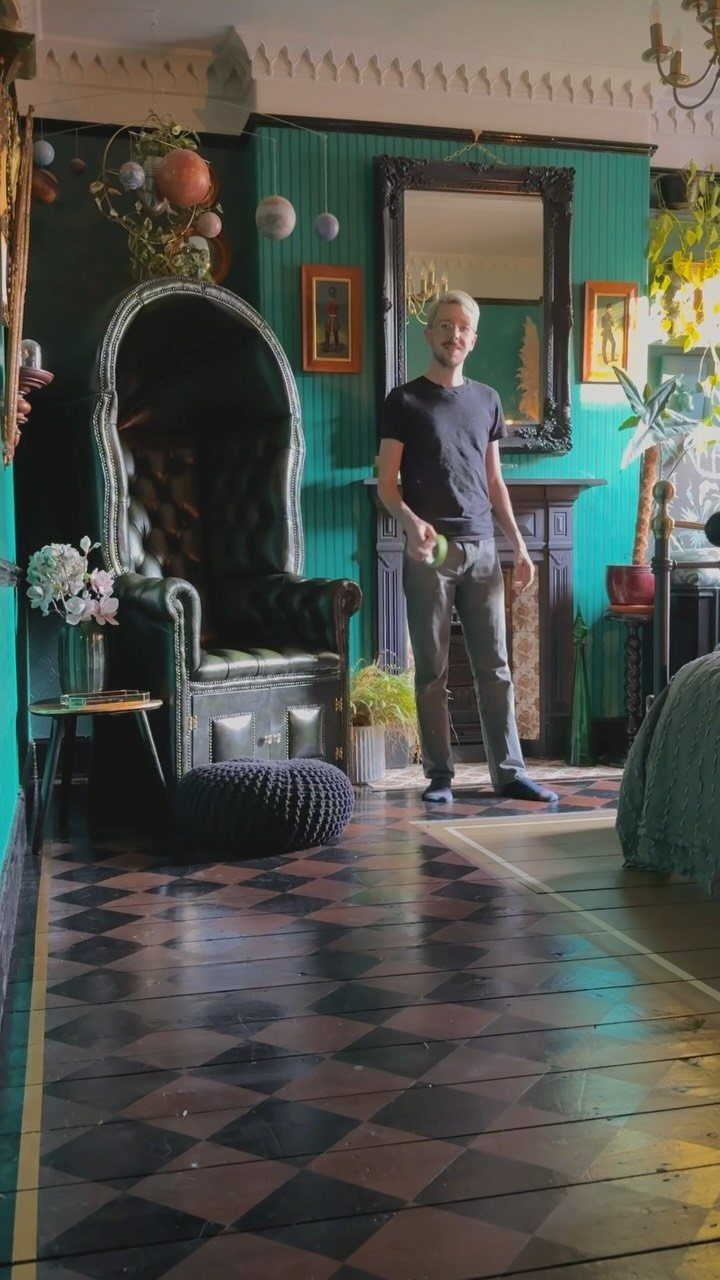
Painter’s tape and patience turn a floor into a graphic statement. A porch or small room benefits most: the geometry pushes walls outward visually, which matters when square footage is tight.
Achieving clean edges means pressing tape firmly, painting the base color first, then peeling before the top coat fully cures. The creator cycled through wall colors before landing here; that trial-and-error patience shows in the final cohesion.
This suits someone with a steady hand and a free weekend, not a perfectionist in a rush.
Pro Tip: For a freehand approach, consider skipping the tape entirely. In a This Old House Magazine checkerboard project, painter Peter used chalk lines and painted freehand instead of masking tape, noting that paint tends to migrate under tape on uneven wood surfaces.

PACK OF 2 | CHECKERED RACE TAPE ROLLS: Includes 2 black and white checkered tape rolls, each 32.8 ft long and 2 in wide—perfect for creating race tracks, party borders, or interactive floor games on floors, tables, walls, or outdoor surfaces.

DESIGNED CHAMPION STRONG - Quickly and easily define any space with this Floor Marking Vinyl Tape from Champion Sports! With 60 yards of 1-inch wide tape, you will be able to define classrooms or gym courts with straight lines and curves

VERSATILE DESIGN: Black and white checkerboard pattern duct tape perfect for arts and crafts, home decor, DIY projects, and creative applications
2. White or Off-white Floors
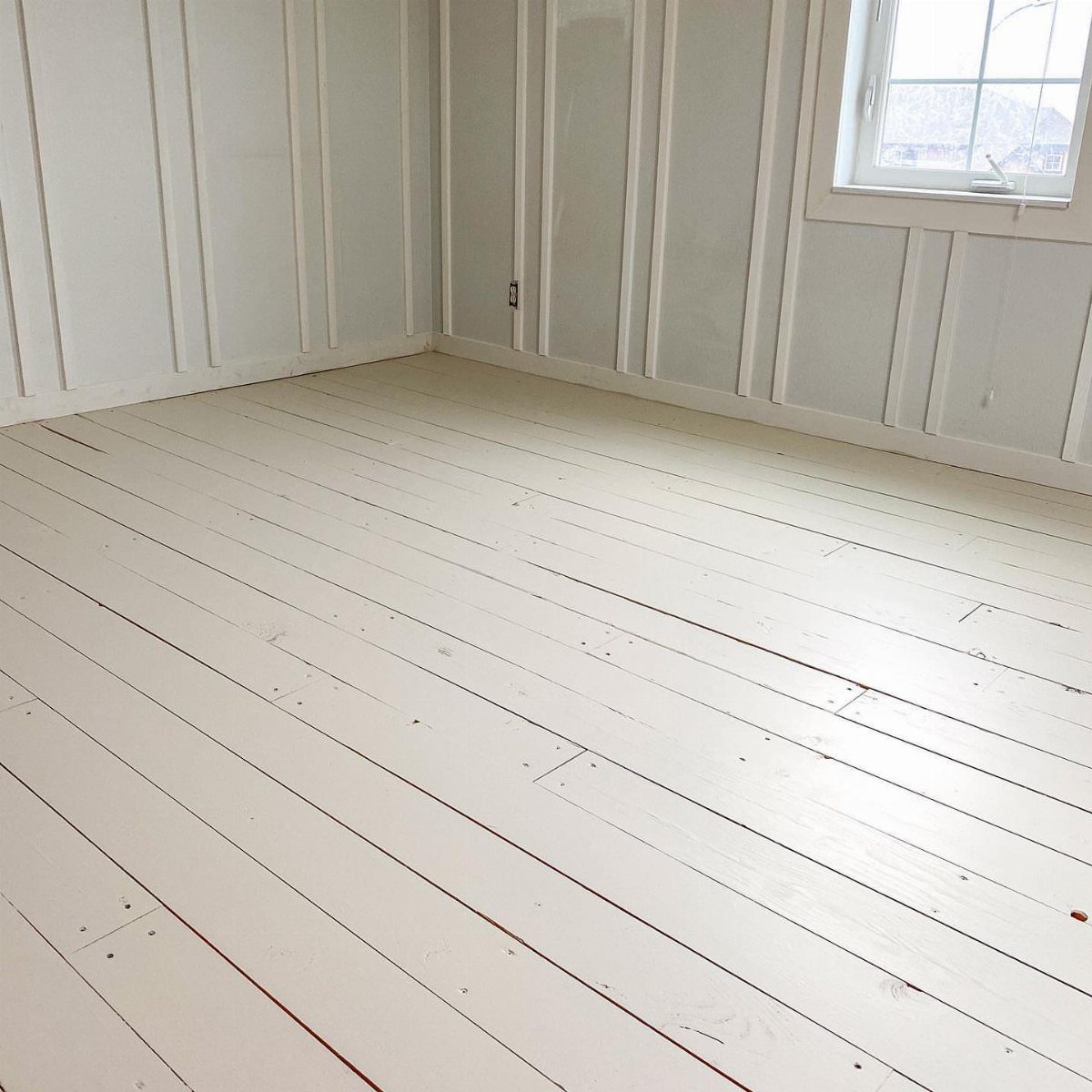
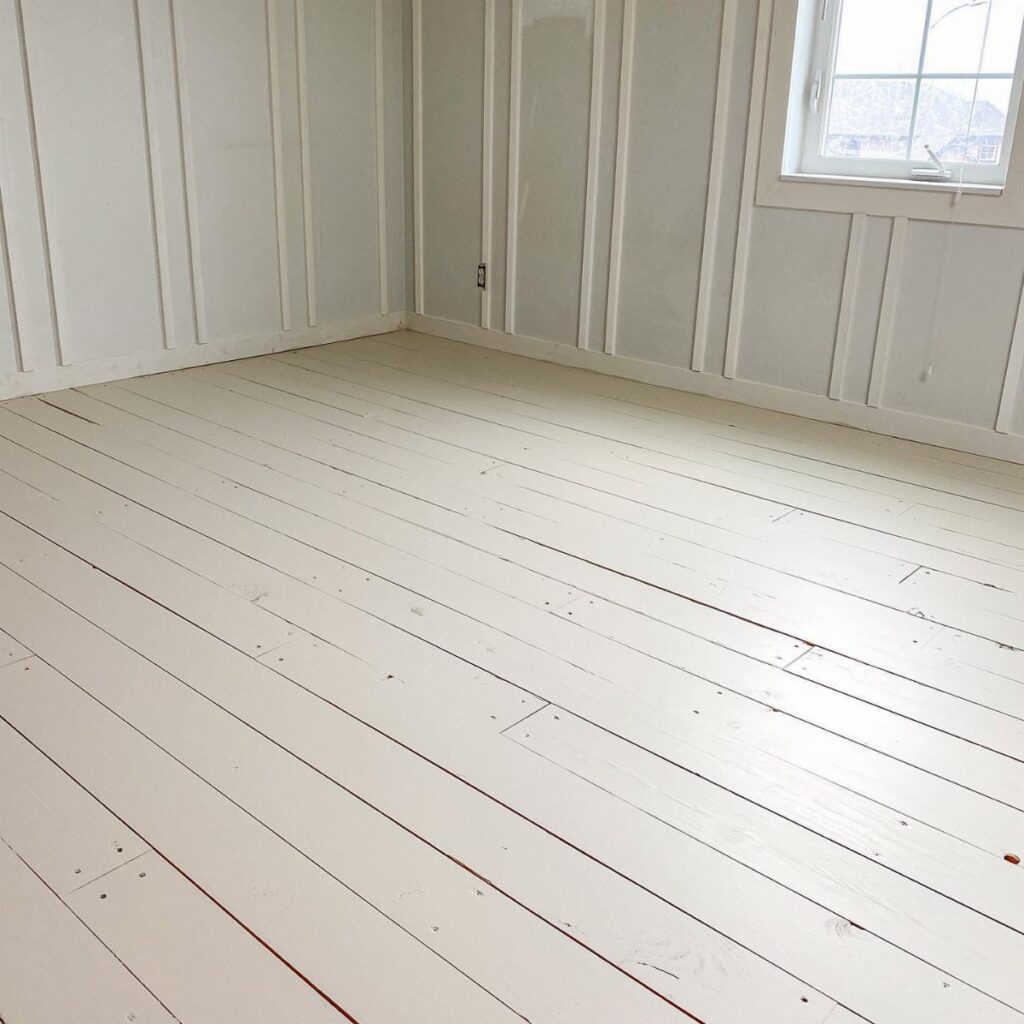
Off-white floorboards bounce light around a room like a reflector panel you walk on. Matching the floor to the wall color, as seen here, erases visual boundaries and can make a narrow space feel less boxed in.
Every speck of dust and dropped crumb announces itself on white floors, so this works better in a bedroom or study than a mudroom or kitchen.
Test your chosen white on a small patch first; stripping paint from wood is a miserable job that most people underestimate.
3. Green Painted Floorboards
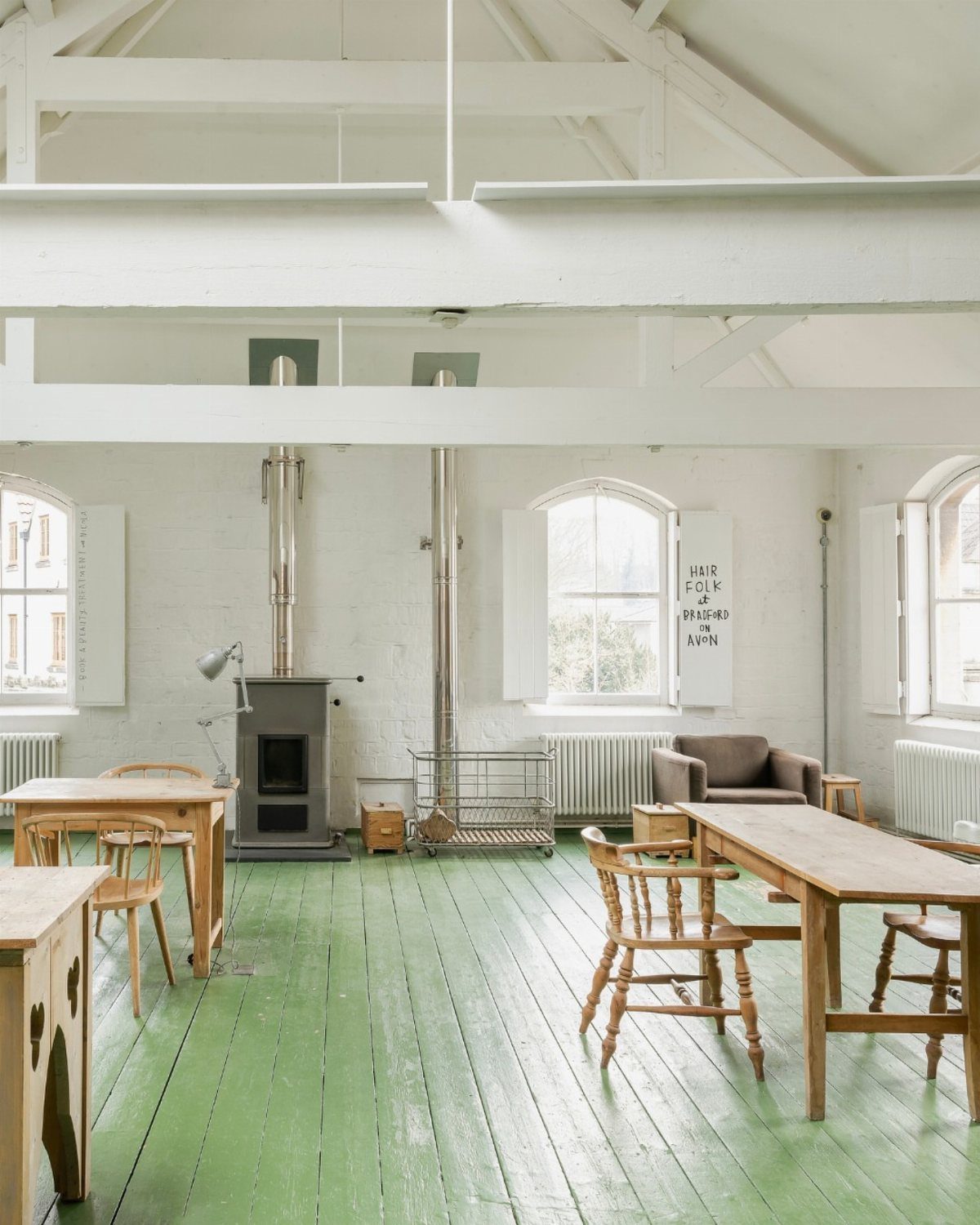
Floorboards painted green read as ground made intentional, especially when the shade leans toward avocado or sage rather than forest.
If your space lacks that natural light, a darker green will swallow the room; in that case, consider a stain instead of paint, which lets the wood texture speak and reflects light differently.
Stain works better than paint when you need to match original floorboards after an expansion or repair. A green floor pairs well with brass, natural wood furniture, and white ceramics.
It asks for confidence more than budget.
PRIMER DESIGN - White & off-white tones and the primer pattern bring distinctive style and personality to your space.

ALL-IN-1 PAINT & PRIMER: A hardy multi-purpose and multi-surface one-coat paint and primer in one for almost any indoor or outdoor surface. A wall, ceiling, floor, skirting board, cabinet, furniture and door paint for your bathroom, kitchen, home and garden.
ALL-IN-1 PAINT & PRIMER: A hardy multi-purpose and multi-surface one-coat paint and primer in one for almost any indoor or outdoor surface. A wall, ceiling, floor, skirting board, cabinet, furniture and door paint for your bathroom, kitchen, home and garden.
4. Light Blue Painted Floor
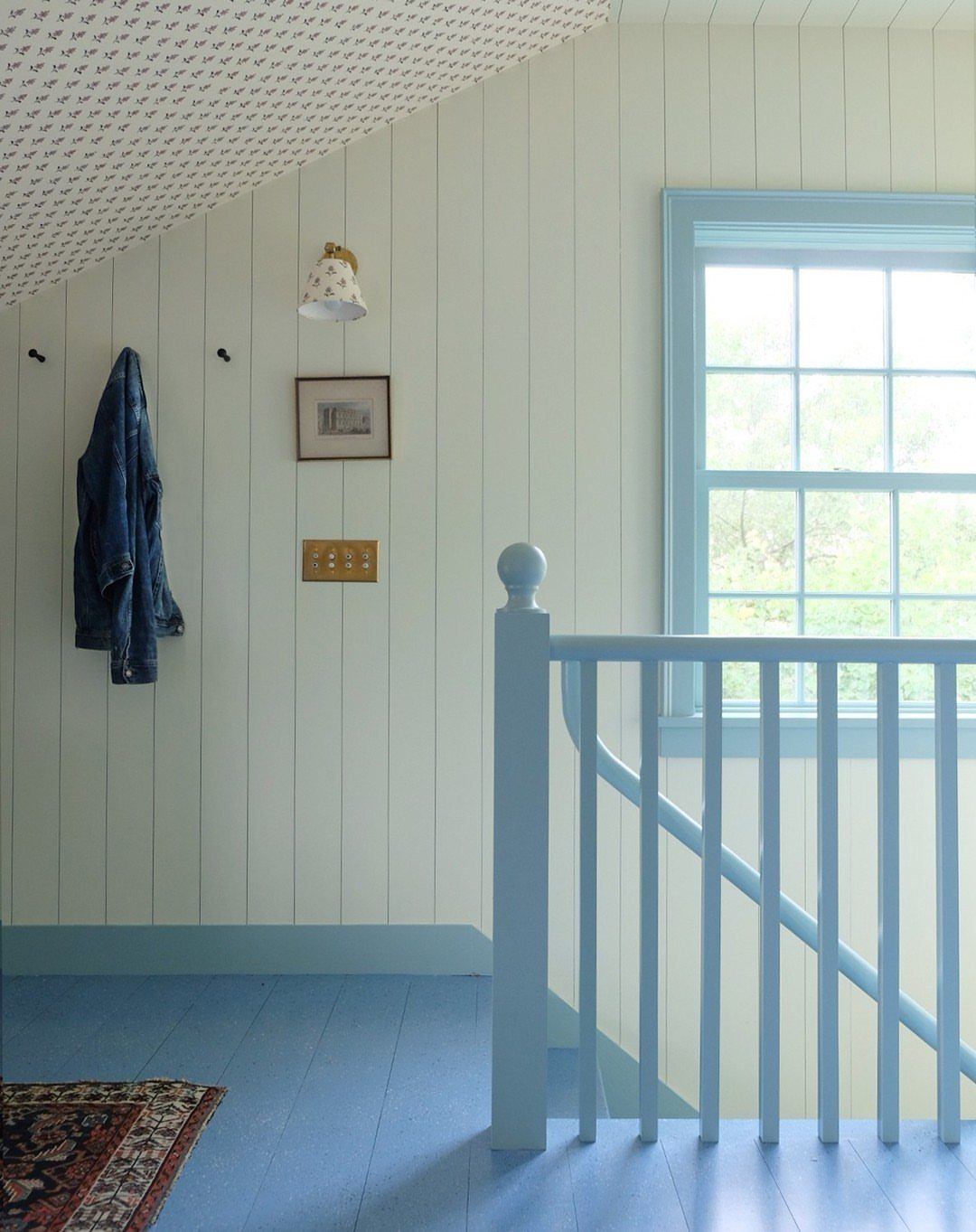
Light blue underfoot turns a hallway into something you pause in rather than pass through.
The pairing with white paneled walls and matching trim, as above, keeps the effect cohesive rather than whimsical; the denim jacket on its peg is not accidental.
This shade works in transitional spaces, hallways and landings, because you do not live there long enough to tire of the color.
For a similar full-room approach, a plaid painted floor in two tones of the same blue reads as textile rather than gimmick.
Prep matters more than the paint choice here: fill gaps, sand high spots, and use porch and floor paint, not wall paint, or the finish will not hold.

Package Includes: This large flower stencils includes 10 Sunflower stencils of 5 types, along with 2 wild grass and insect templates. With a variety of elements to freely combine, it's easy to create a richly layered wall fence painting.

🎨 【12 Large Floral Stencils Set】: Transform spaces effortlessly! This premium kit features 12 oversized botanical templates (including 3 different size, 12*12inch, 13.7*9.84inch, 13.7*5.9inch). Massive coverage for bold wall murals, furniture makeovers, garden decor art, accent walls, and floor stenciling. Create stunning floral repeat patterns and nature-inspired paintings easily!

Large sunflower stencil set – Includes 6 reusable sunflower stencils in mixed sizes, including 12x12 inch floral templates and a larger 14x9 inch design for creating eye-catching wall murals, fence art, and layered floral scenes.
5. Painted Floral Floor Mural
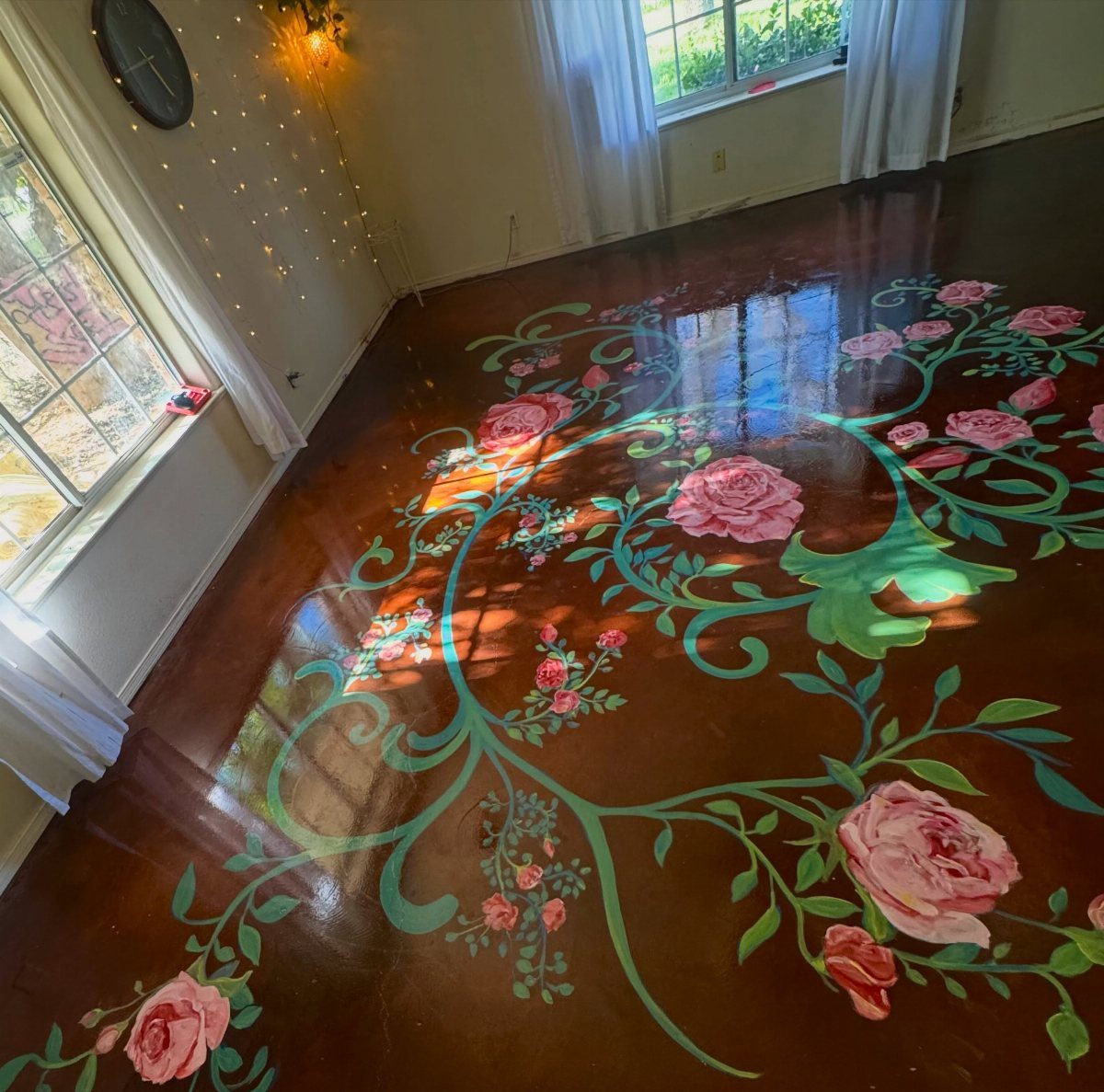
A hand-painted floral mural on a dark floor is the opposite of subtle; it is a room’s permanent centerpiece, and everything else arranges around it.
Consider this for a sunroom, studio, or bedroom where the floor is the art and the walls stay quiet. Most renters should probably admire and scroll on.

DESIGNED CHAMPION STRONG - Quickly and easily define any space with this Floor Marking Vinyl Tape from Champion Sports! With 60 yards of 2-inch wide tape, you will be able to define classrooms or gym courts with straight lines and curves

Set of 2 Rolls: Package includes 2 rolls of black and white checkerboard pattern washi tape for all your decorative and crafting needs

Durability of Painted Floors
A painted floor lasts several years if the seal is strong enough. A thick seal buys the paint more time before foot traffic starts wearing it thin.
Vacuum or dust-mop regularly to keep grit from sanding the finish down. For deeper cleaning, check what your sealant maker recommends; some products turn cloudy under the wrong cleaner.
Spot-clean spills instead of wet-mopping the whole room. Water pools at board edges and works its way under the paint.
Let the final coat dry 48 hours before you seal it. You can walk on it in socks after 8 hours, but hold off on furniture until the wax or polyurethane is fully cured.
Once a year, walk the floor with a small brush and touch up nicks before they spread.
Cleaning Painted Floors
A damp mop, well wrung, is the right tool for painted floors. Too much water softens the paint film and works between boards, so the mop should feel almost dry to your hand.
Steam mops are a hard no. The heat drives moisture into the wood and lifts the paint from underneath; bubbling follows in weeks, not months.
Scuff marks from rubber soles or furniture feet respond to a melamine sponge, the kind sold under names like Magic Eraser. Use it dry first, then barely damp if the mark persists.
Aggressive scrubbing in one spot will dull the sheen, so work the edges and feather outward.
Skip the polish and rejuvenator products meant for vinyl or unsealed wood. They leave a residue that attracts dust and yellows over time.
If the finish looks tired, a fresh coat of sealant does more good than any cleaner.

Vertical aerosol for overhead professional projects

SPRAY PAINT AND PRIMER – Krylon COLORmaxx Spray Paint and Primer delivers premium coverage and superior color with adhesion and durability. This primer and spray paint can be used on wood, metal, wicker, most plastics, glass, plaster/ceramic and more.

ALL-IN-1 PAINT & PRIMER: A hardy multi-purpose and multi-surface one-coat paint and primer in one for almost any indoor or outdoor surface. A wall, ceiling, floor, skirting board, cabinet, furniture and door paint for your bathroom, kitchen, home and garden.
Considerations Before Painting
Before you open a can, look at what you are standing on. Paint will not bridge loose boards, active termite damage, or subfloor flex.
It also will not hide the fact that your hardwood is 1/4 inch thick and already sanded to the tongue-and-groove; in that case, paint is a bandage on a floor that needs replacing.
Consider resale if you own. A pickled or whitewashed finish still shows grain and reads as intentional.
Fully opaque paint, especially in a strong color, narrows your buyer pool. Renters should check their lease; some landlords welcome the upgrade, others will charge for stripping it back.
Paint suits floors that are too far gone for refinishing but structurally sound. Paint fills in dents and gouges and covers patches where the old finish went uneven.
The result looks finished, not restored. If you plan to refinish eventually, treat paint as the stopgap it is and use products you will not mind grinding off later.

Extra-Large Fence & Wall Stencils (13.8x11.8in): Create eye-catching large pattern murals effortlessly! Our oversized fence stencils for outdoors extra large and wall stencils for painting are perfect for transforming fences, walls, and furniture. Significantly larger than standard templates for striking impact

🎨 【18 PCS Floral Stencils Set】: Transform spaces effortlessly! This premium kit features 18 PCS botanical templates (approx. 6.5"x6.5" per design). Massive coverage for bold wall murals, furniture makeovers, garden decor art, accent walls, and floor stenciling. Create stunning floral repeat patterns and nature-inspired paintings easily!
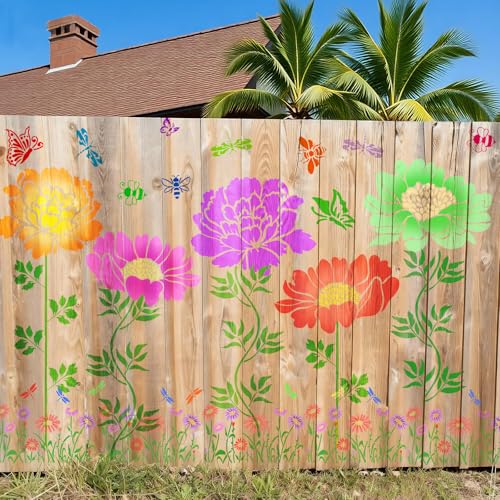
Package Includes: This large flower stencils includes 8 peony stencils of 4 types, along with 2 leaf and branch templates and 2 wild grass and insect templates. With a variety of elements to freely combine, it's easy to create a richly layered wall fence painting.
Cost-effective Flooring Solution
Refinishing 100-year-old hardwood runs into the thousands, and sometimes the wood is too thin to take another sanding. Painting costs a fraction of that: paint, primer if you need it, sealant, and a weekend of labor.
The floor stays out of the landfill, and the room looks finished instead of neglected.
Paint also hides what refinishing cannot fix. Dents from dropped tools, gouges where a radiator sat, uneven patches where old stain wore through; all of it levels out under a solid-color coat.
The result is not perfect, but it is coherent.
I would use this approach on a floor I planned to replace eventually, or on a rental where I could not justify the investment.
The money saved goes toward the next project, and the floor stays presentable long enough to plan what comes after. Just use actual porch and floor paint, not the wall-grade latex someone convinced themselves would work.

【Versatile】- Available in a wide variety of colours for diverse applications, including floor marking, general purpose holding and bundling, marking of parts or machines, protection from abrasion.

Visible floor-marking improves safety and organization in almost any industrial environment

Versatile Decorative Tape: This washi tape features a classic checkerboard pattern in black and white, perfect for adding a touch of style to craft projects, scrapbooking, gift wrapping, and more.
Frequently Asked Questions
Is painting wood floors a good idea?
Painting wood floors can extend their life and costs less than refinishing or replacing them. It works especially well for older floors that have been over-sanded or stained, since paint covers damage that stain would reveal.
Prep work is where most people slip: the floor has to be clean enough to eat from, sanded past the finish, and primed before the first color coat, and paint that goes down over dust or grease will chip by fall.
Hiring someone with floor-specific experience beats doing it yourself unless you have done it before.
What is the best color to paint a wood floor?
Light colors like white or off-white bounce light around and erase visual boundaries in small spaces, though they show every crumb and scuff.
Green, blue, or graphic patterns like checkerboards work when you want the floor itself to read as intentional design.
Are painted floors in style?
Painted floors cycle in and out of fashion, but they have never stopped appearing in rooms where someone wanted color or pattern underfoot.
A hand-painted floral mural or a plaid floor reads as personal rather than trendy, which helps it age better than something chasing a moment. The key is treating the floor as part of the overall design, not an isolated statement.
How long do painted floors last?
With a strong seal and regular maintenance, painted floors last several years before needing touch-ups. Vacuuming or dust-mopping keeps the finish looking fresh, and spot-cleaning spills as they happen prevents water damage to both paint and wood.
Check the condition once a year and fill small nicks; waiting until the wear is widespread means sanding back to bare wood and starting over.