These living room TV wall ideas run from a stick-on LED kit and a free weekend to custom built-ins that swallow a room’s whole budget.
The deciding factor is whether you want the wall to blend in when the set is off or to stand out as the room’s focal point.
A hundred-to-one cost ratio separates real marble from the marble-look panels at Lowe’s, and that gap alone tells you how wide this list stretches.
[link-whisper-related-posts]1. Wood Slats TV Wall
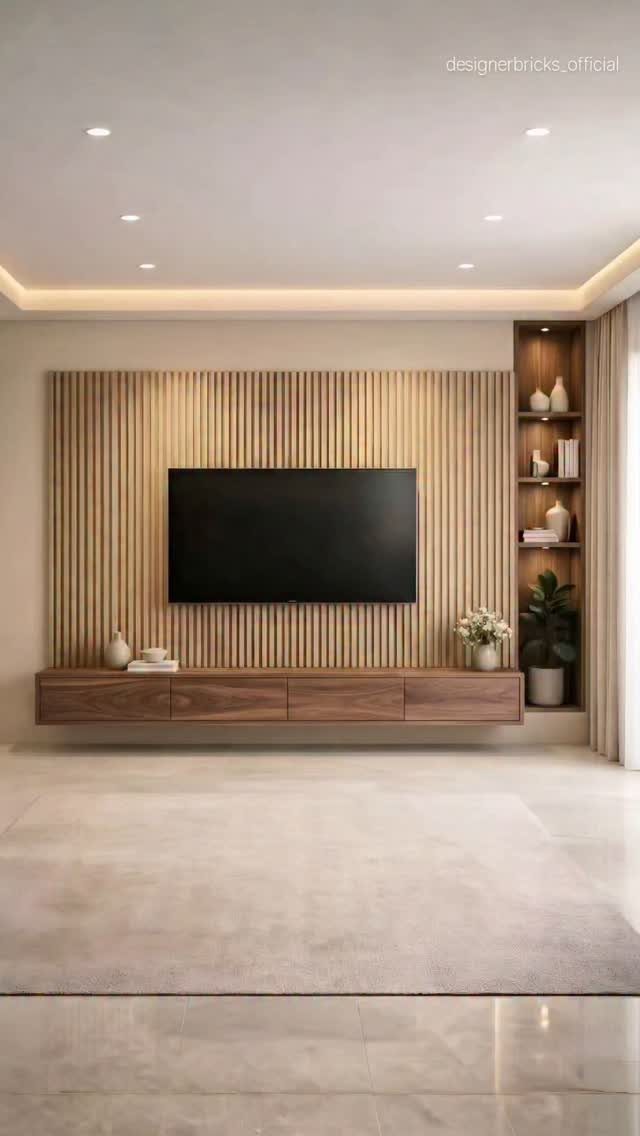
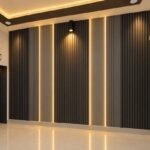
Vertical wood slats behind a mounted TV add texture without demanding a full room makeover. The slats break up flat drywall and give the screen something to sit against that reads as intentional design, not an afterthought.
Marble or stone alongside the slats, as seen in some high-end installs, is an option if your budget stretches further; the wood alone still carries the idea.
I would run the slats floor to ceiling and keep the console floating to maintain the clean line.
Dust settles in the grooves, but a vacuum brush attachment handles it fast. Best for renters who can install a single feature wall and take it with them, or homeowners who want warmth without committing to full paneling.

High-Quality Wall Panels: Our acoustic panel set is crafted with high-density polyester fiber, premium medium-density fiberboard, and a solid wood veneer. This combination provides an elegant look, superior sound damping, and excellent sound deadening, significantly improving room acoustics

1. Premium Flexible PVC & Stylish Wood Grille Patterns Crafted from thickened flexible premium PVC, this wall panel boasts a variety of trendy wood grille textures. It flawlessly adheres to both flat and curved surfaces, creating a high-end customized wood grille interior look without expensive solid wood materials.
2. Wood Paneling
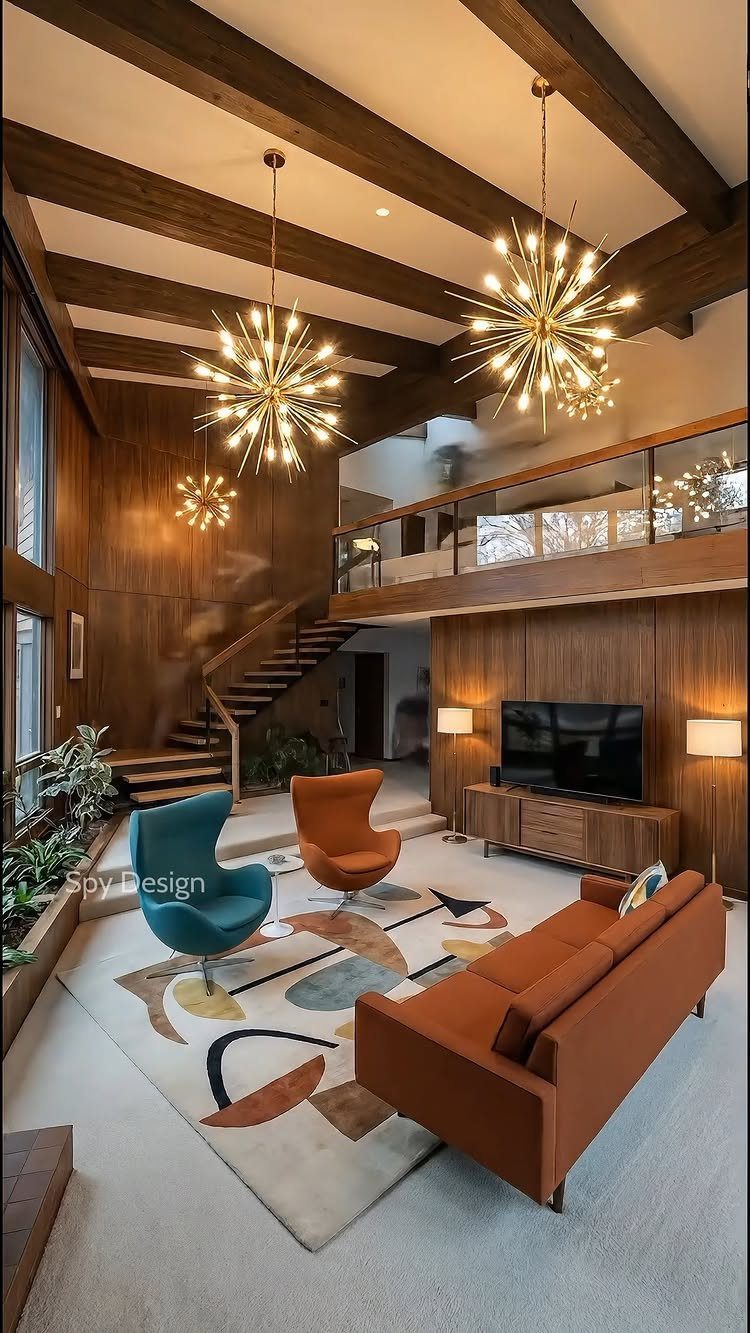
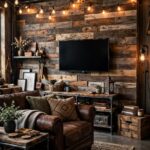
Dark wood paneling pulls the eye away from the black rectangle of a powered-off TV. The panels add a sound-absorbing layer too, which matters in rooms with hard floors and little upholstery.
Light vertical slats give a different effect entirely: they elongate the wall and suit smaller spaces where dark tones would close in.
Your existing light fixtures and furniture color should guide which direction you take; a room already heavy on warm woods wants the lighter slat, while spaces with concrete or cool tones can handle the depth of walnut or mahogany.
Paneling installs over existing drywall, so the wall condition underneath matters less than with paint or wallpaper. I’d check the battens for level myself even if I hired the cut work out; a slat that drifts reads as sloppy fast.

🎁 3d Wall Panels🎁: Vintage 3d wood slat look, natural wood textured finish, the wood wall panels are great decorative wall panels for interior wall decor.

3D Wood Slat Design: Features an authentic vertical wood slat texture with natural grain details, creating a warm, modern accent wall look. Available in 5 versatile color options to match any home decor style, from minimalist to rustic.

Natural Wood Grain Finish: This slat wall panel features a realistic wood grain texture with a warm, natural finish. The slat pattern adds visual depth, creating an organic accent wall without the maintenance of real wood.
3. Gallery Wall
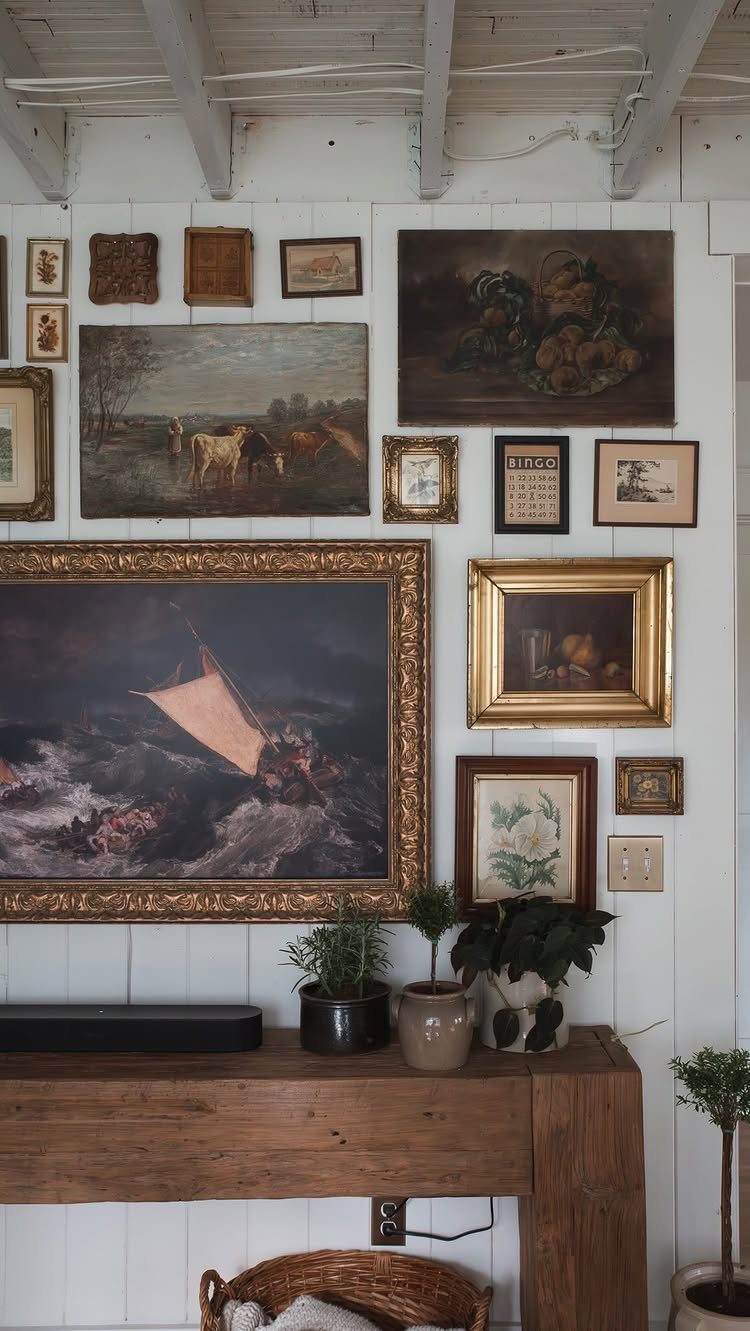
A TV that displays art when off, framed and hung among real paintings, solves the dead-screen problem without hiding the television entirely.
The Samsung Frame TV was built for this, though any thin mount with a digital art setting can approximate the look.
Matching frame styles matters more than matching the art inside them. Gold ornate against gold ornate, or all thin black gallery frames; mixing finishes makes the TV announce itself instead of blending.
I would size the TV frame slightly thicker than the art frames so it reads as the anchor piece, not an imposter.
Console height matters here. Too tall and the soundbar or devices below break the gallery line; keep the bottom edge low to hold the sightline clean.
This idea eats wall space fast: plan on enough pieces to actually surround the screen, which means measuring your available width before buying frames.

DESIGNED TO LOOK LIKE A PICTURE FRAME: Looks like real art with a slim design that mounts flush to the wall, customizable bezels* to match your style, and an external hub that connects the TV to power and your devices with a single wire.

Multiple Sizes: This vintage frame set includes 20 French vintage-style frames, 20 metal S-hooks, and traceless wall hooks, with sizes ranging from 12 x 10 inches to 4 x 4 inches. Each frame draws inspiration from French country style and features delicate decorative details, perfectly accommodating photos or artworks of different sizes to meet diverse display needs

Big Stunning Artwork Collection: Access a vast library of high-quality artwork spanning various genres and styles.
4. Built-In Cabinetry
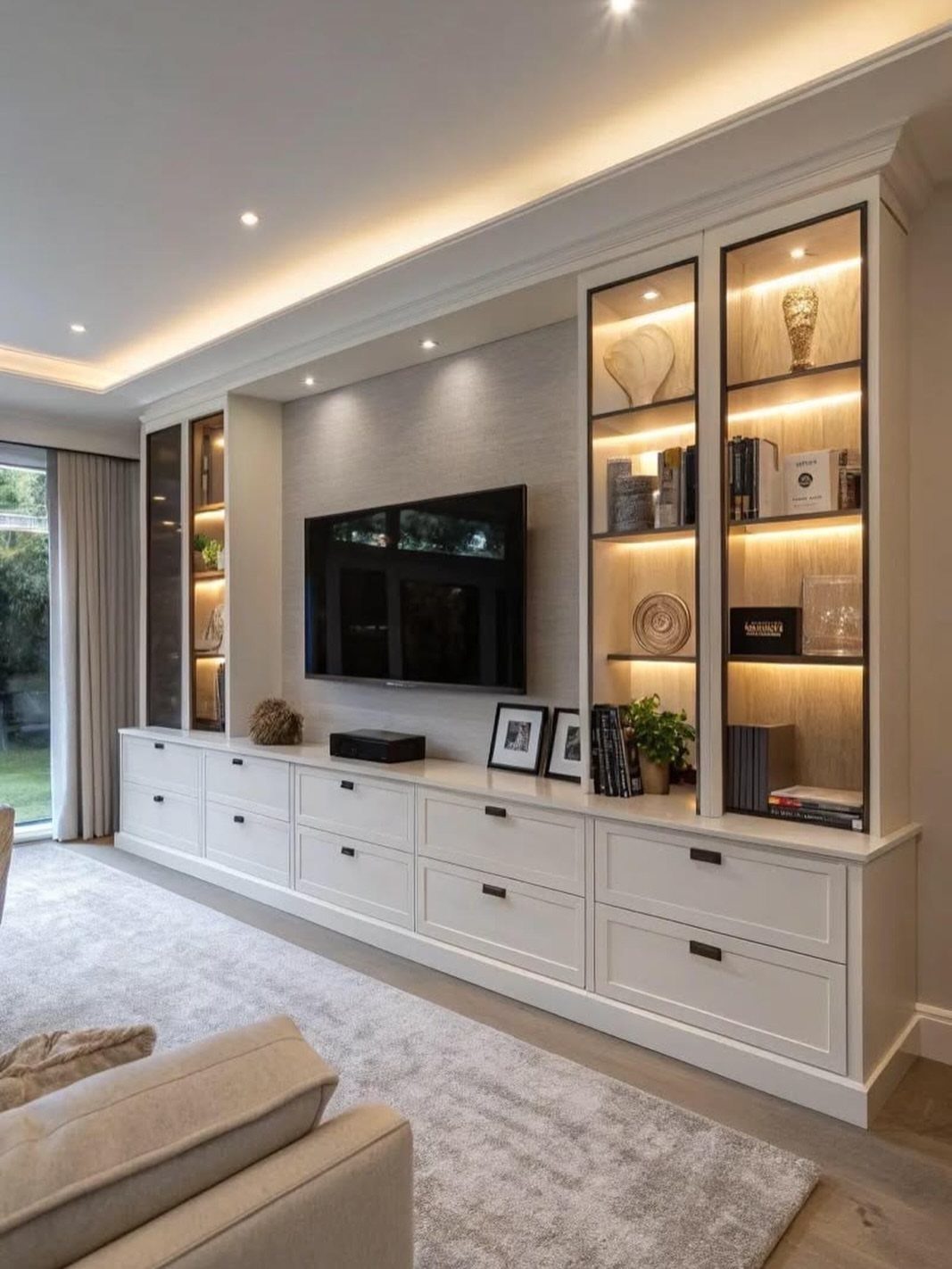
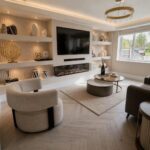
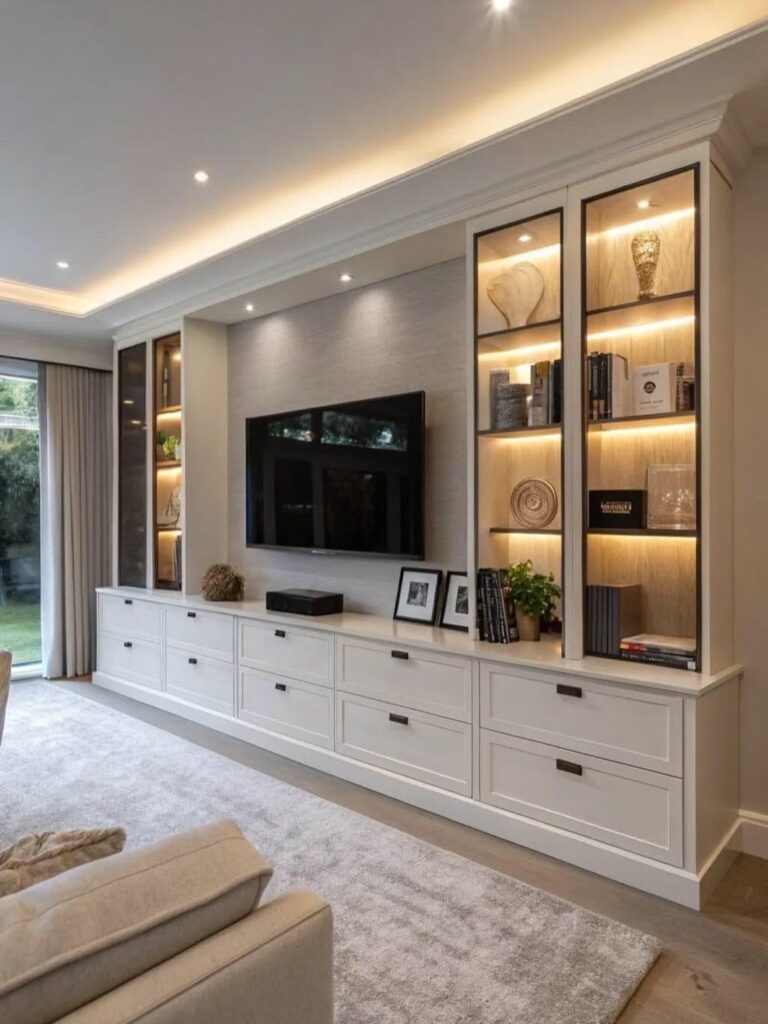
A full wall of built-in cabinetry recesses the TV into a pocket of storage and display.
The screen sits at center, flanked by shelves or cabinets that ground it visually and swallow the cables, remotes, and gaming gear that otherwise colonize a room.
The open upper section is where personality lives: books, a single sculptural object, a small plant. The lower doors hide what you do not want to dust.
In a small room this approach maximizes every inch; the storage is the wall, so no floor space is lost to standalone furniture.
Custom work runs high, but stock cabinet boxes with a carpenter-built face frame achieve much of the look for less.
I’d budget for internal lighting in at least one cabinet; the warm glow makes the unit feel designed, not merely functional.
The risk is visual weight: a full wall of white can read clinical, so I would break it with wood tone or a textured backing panel behind the TV niche.

Ultra-Realistic, 3-Dimensional, HD Printed: Enjoy the beautiful look of marble almost anywhere!

SPECIFICATION: A single package contains 33 pcs 3d decorative wall panels, 11.8"x11.8"x0.12" each, covers about 32 square feet. Not peel and stick, adhesive not included
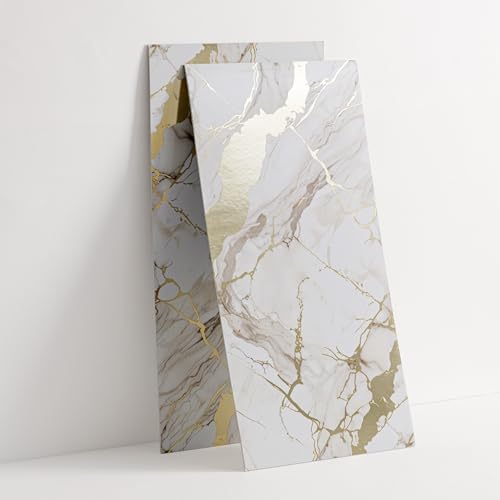
【Size】20 Pieces 23.6x11.8in (38.7 Sq. Ft. Coverage)
5. Recessed TV Wall
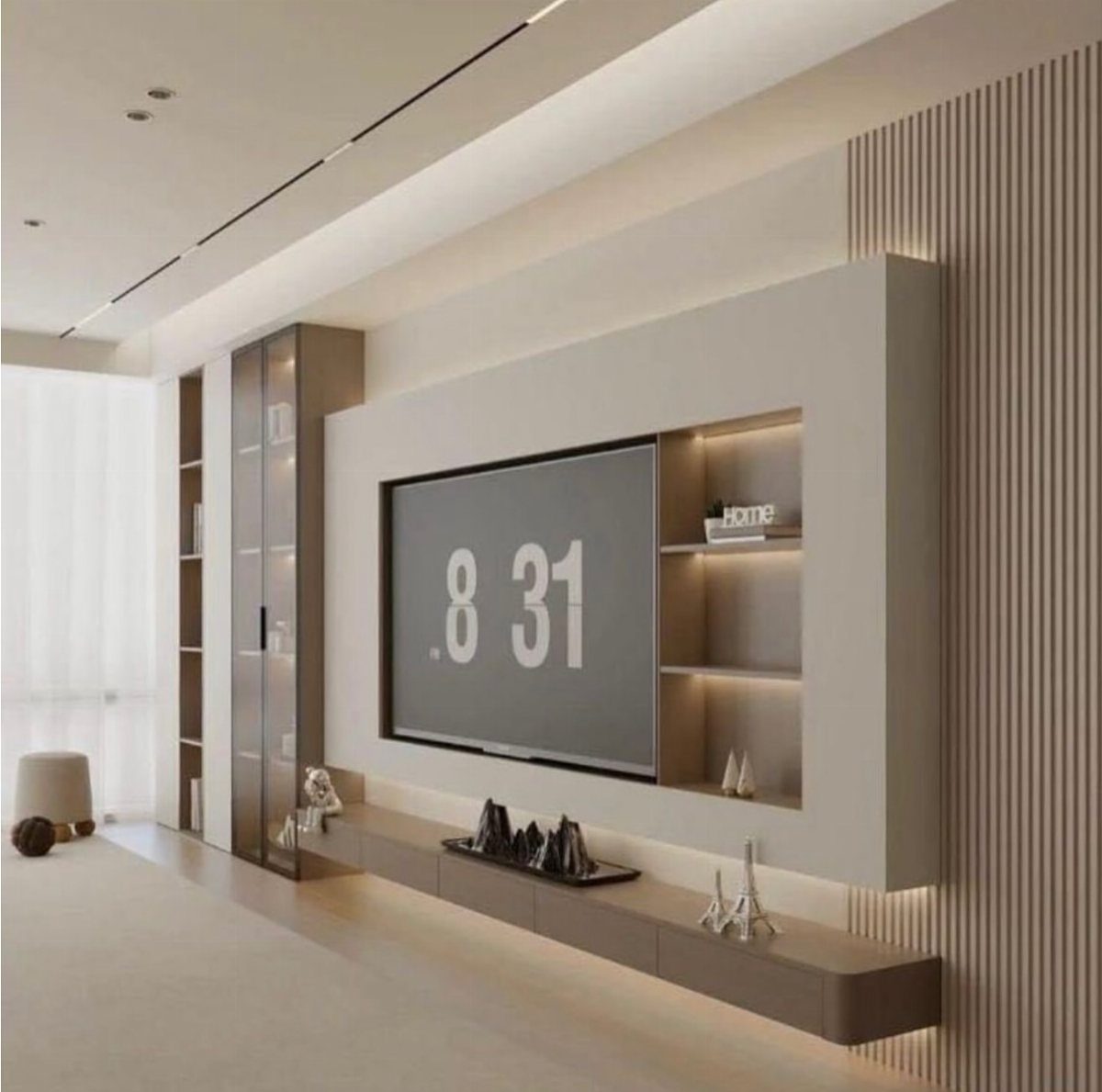
Embedding the TV into the wall so the screen sits flush with the surrounding surface removes the visual bump of a surface mount. The screen drops into shadow, framed by plaster or paneling, and quits demanding attention when off.
The recess depth must match your specific TV including any mount hardware; check your set rather than assuming a common depth will fit. Soft lighting inside the recess, or decorative slats on the surrounding wall, adds dimension without clutter.
This is drywall surgery, not a weekend project. I would hire out the framing and electrical relocation, then handle the finish paint myself to save.
The flush look suits minimalists and anyone who wants the room to read as living space first, media room second. The pocket fits what it fits, and a larger screen later means patching and re-cutting.
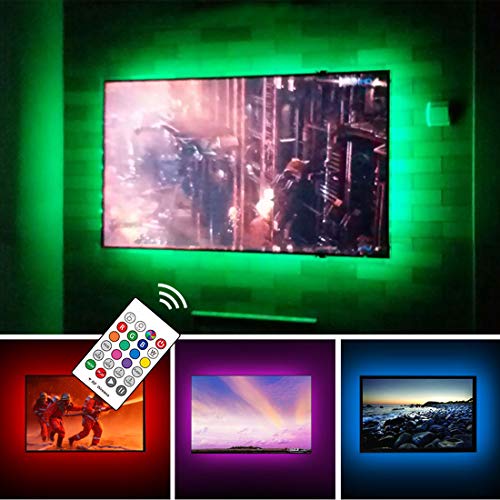
TV lights for better TV viewing or video games experience and Relieve Eye Strain. Help to make a more comfortable environment when long watch watching and playing TV games

Premium LED Lights for TV Enhancement: Elevate your viewing experience with this advanced TV LED Backlight, featuring vibrant 5V LED strips and a 3-button USB Bluetooth controller for seamless brightness, color, and mode adjustments.
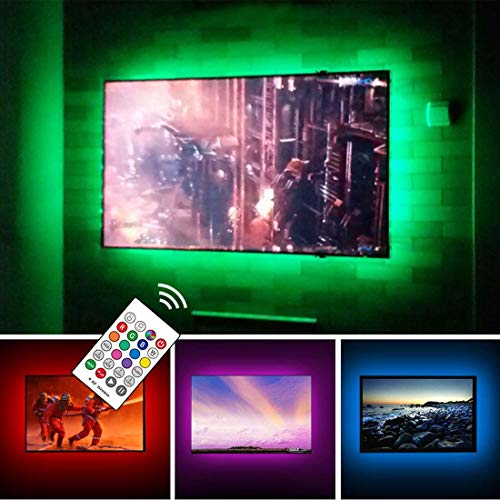
LED lights for TV, can cover All the sides of 50 to 55 inches TV
6. Backlit TV Wall
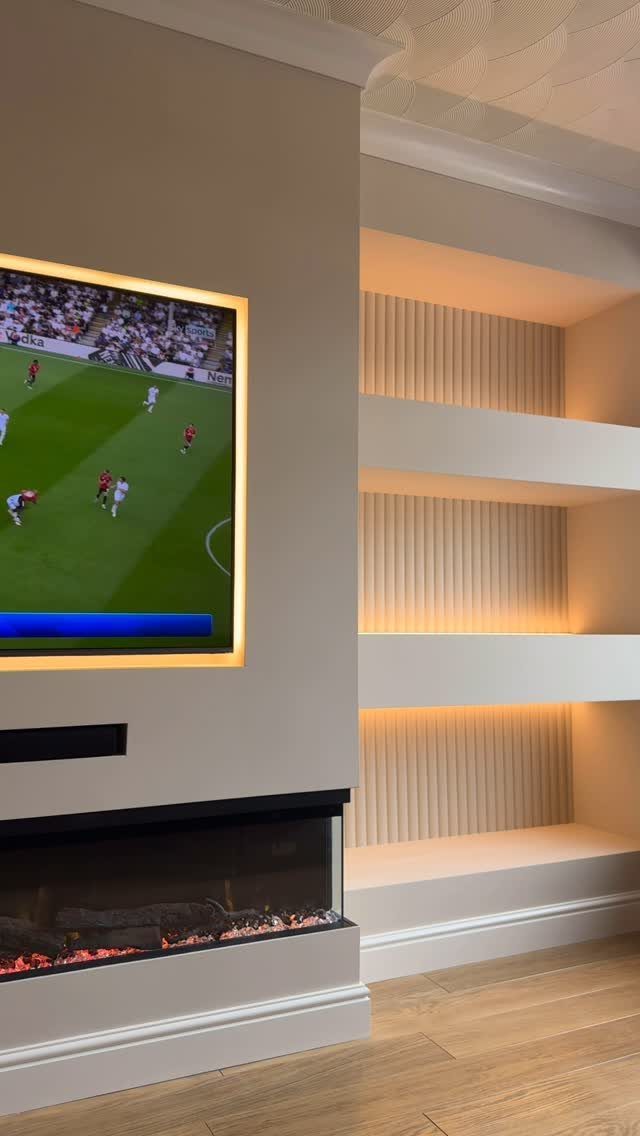
LED strips behind the TV or along the edge of a built-in wall cast a soft glow that separates the screen from a dark room.
The light reduces eye strain during evening viewing and gives the wall presence even when the set is off.
Bias lighting, as lighting designers call it, works best when it is the only intense source in the room. Overhead cans kill the effect and tire your eyes; lamps with shades or indirect wall wash are the better companion.
The color temperature matters too: 2700K matches most residential lighting and keeps the glow warm rather than clinical.
I would install the strips on a dimmer or smart switch, not a hardwired on-off. The fireplace below the TV in some setups adds a second warm element; the combination reads as designed rather than tech-heavy.
Cost is modest for plug-in LED kits, higher for integrated systems with wall-channel wiring. The light gives atmosphere you control without changing the wall itself.

【Superior Sound Absorption】: Designed with a 0.35" MDF board and a 0.35" high-density polyester fiber backing, these wood slat acoustic panels offer enhanced sound control through a balanced dual-layer structure. The thicker MDF layer helps improve sound blocking and structural stability, while the dense 0.35" felt backing effectively absorbs echoes and reduces noise reflection. Made from non-toxic, eco-friendly materials, ideal for creating a quieter, more comfortable space.

Adds Warmth, Texture & Character** – Instantly elevate your space with sleek slatted panels that bring depth and style to living rooms, bedrooms, offices, and feature walls
7. Black Stone Fireplace Surround Beneath TV
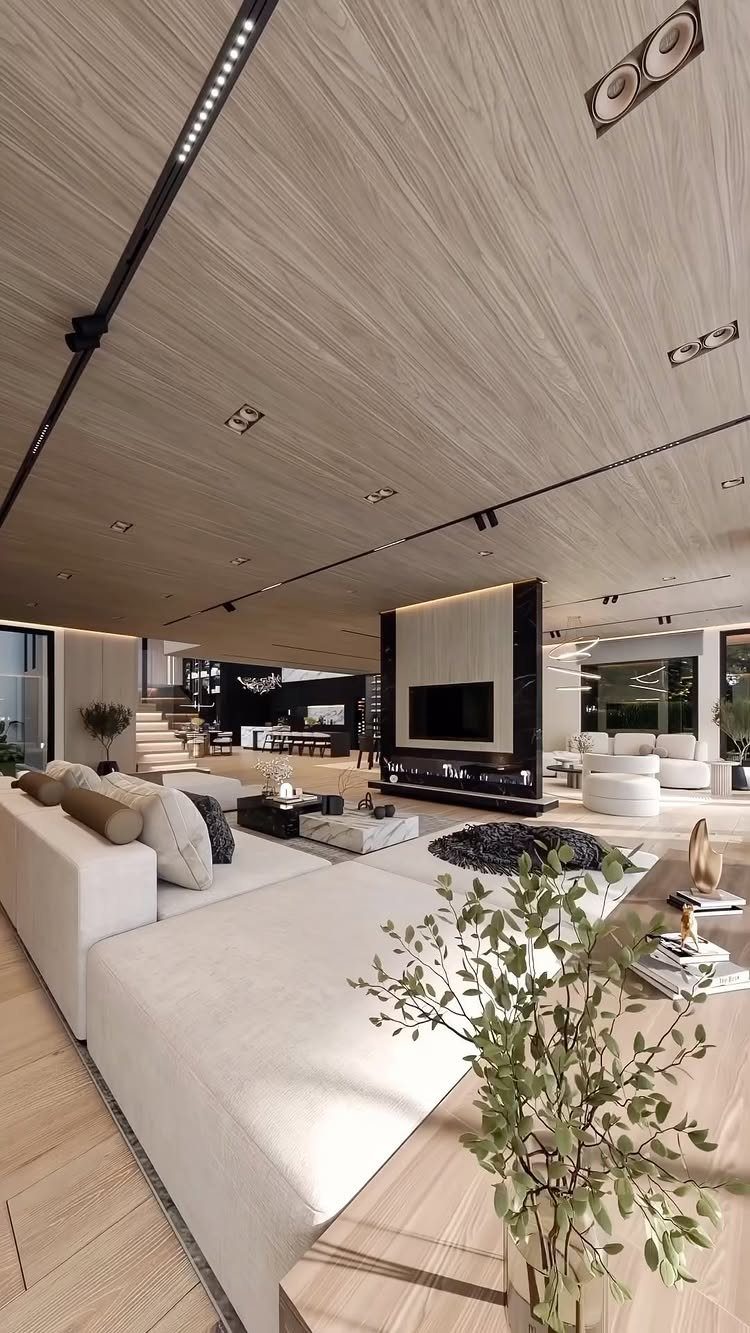
A black stone ribbon running beneath the TV turns the whole wall into one sculptural piece. The fluted edges catch light differently than flat stone would, so the surface stays active even when the screen is off.
This suits open plans where the TV wall faces multiple seating areas. The stone grounds the room and gives the eye somewhere to land besides the screen itself.
If you are adding a fireplace, check that the stone you choose handles heat without discoloring. Honed or leathered finishes hide dust better than polished ones in a room that gets daily use.
I’d skip this in a small den. The drama needs space to breathe, and on a long wall it can feel like a stage set.

Size & Modular Design: Includes 8 individual panels: 4 pieces of 11.02 x 11.02 in (28 x 28 cm) and pieces of 10.24x10.24 in (26 x 26 cm), covering 8.74 sq. ft. The two sizes work together as a modular system, allowing you to align the center lines and combine individual pieces into continuous Cross Grid patterns or personalized layouts.

Modern and Elegant Design - The wood slat wall panels have been carefully designed to effortlessly transform any space, enhancing the surroundings both visually and acoustically. The wood panels help to create an environment that is not only quiet but beautifully contemporary, soothing and relaxing. Furthermore, our slat wall panels can be installed horizontally or vertically and cut to any shape allowing for creativity and a unique look to fit your aesthetics.
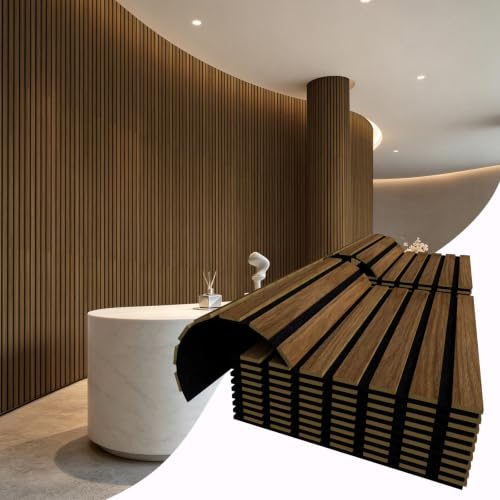
[Vieshful Innovative 3D Slat Design] Upgrade your space with premium wood slat wall panels. Featuring a sophisticated 3D texture, these wooden slats offer a modern aesthetic that outperforms traditional wallpaper. Perfect for creating an accent wall or adding depth to any room decor.
8. Painted Brick TV Wall
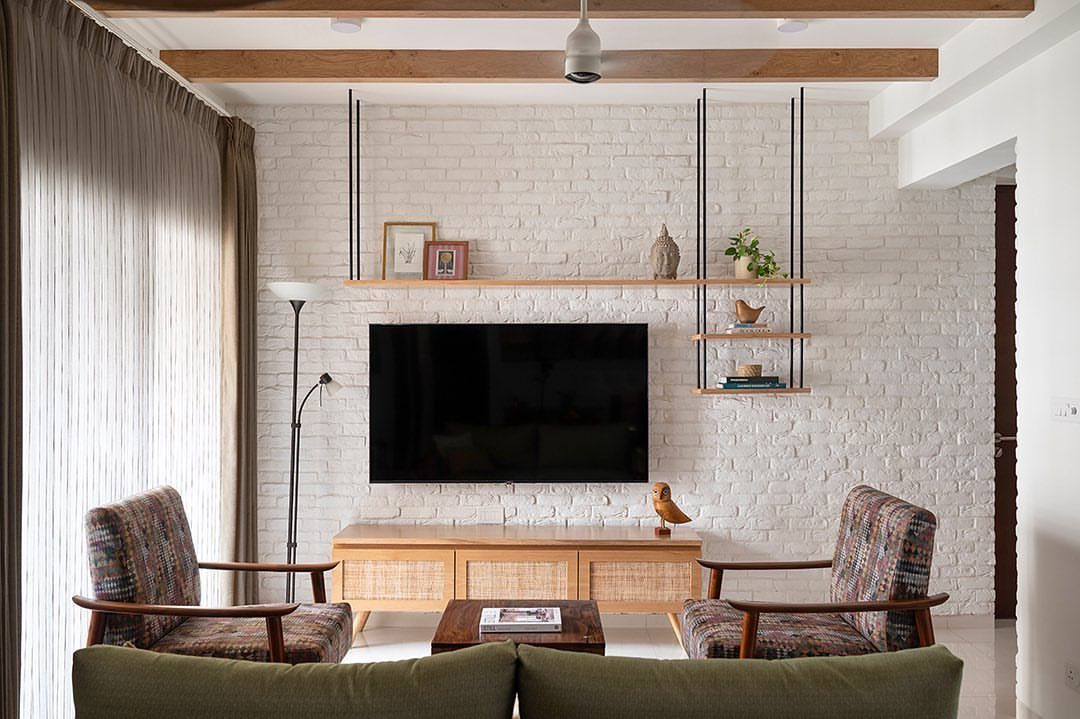
Painted brick gives the TV something to compete with. The mortar lines break up the rectangle of the screen, so your eye travels rather than fixing on one black slab.
This works when the brick is already there. Stripping old paint to expose raw brick takes weeks; painting what you have takes a weekend.
Kelly Draper’s trick of adding floating shelves at staggered heights turns the wall into a display that happens to hold a TV.
Check your brick first. Soft, porous brick drinks paint unevenly and may need a conditioner coat.
Hard-fired brick takes color smoothly, but gloss levels matter: too shiny and every trowel mark shows.
I’d pick matte or eggshell, and I’d keep the shelves in light wood to avoid a cave effect.

Variety of Frame Sizes: This gallery wall frame set includes 15 French vintage photo frames in assorted sizes, ranging from 12 x 10 inches to 5 x 4 inches (inner frame sizes from 10 x 8 to 3 x 2 inches). Inspired by classic French countryside design, each ornate French country frame features ornate decorative details, perfect for showcasing photos or artwork of various sizes.

Variety of Frame Sizes: This gallery wall frame set includes 10 French vintage photo frames in assorted sizes, ranging from 12 x 10 inches to 5 x 4 inches (inner frame sizes from 10 x 8 to 3 x 2 inches). Inspired by classic French countryside design, each ornate French country frame features ornate decorative details, perfect for showcasing photos or artwork of various sizes.

9. White Textured Stone Accent Wall
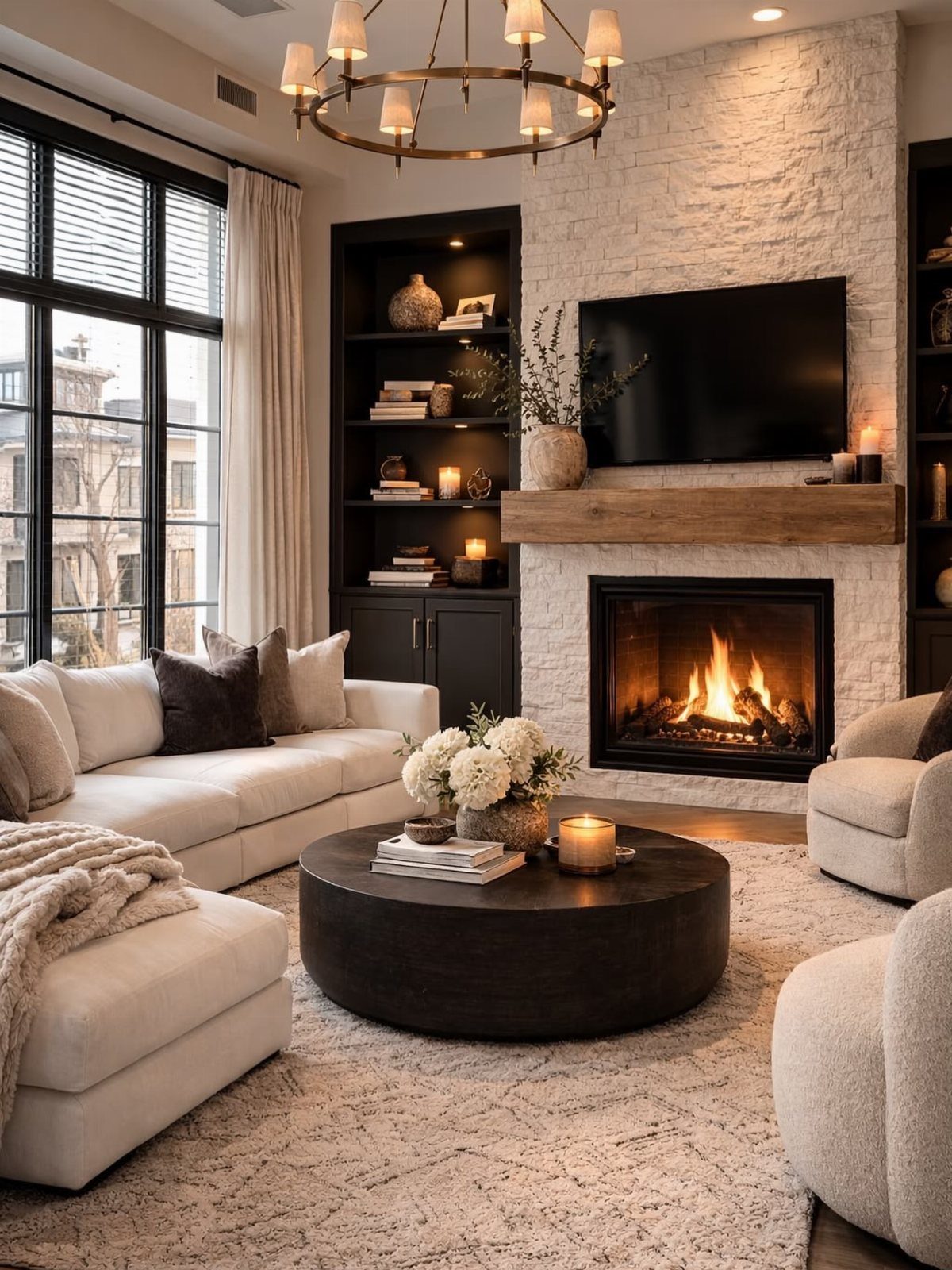
White textured stone reads as warm despite the color, which is the trick of it. The irregular surface catches shadows from the room’s existing light, so the wall changes through the day without any wiring.
This pairs well with dark built-ins on one side, which keeps the texture from floating alone. The contrast keeps the stone from going flat, and the wood mantel at the meeting point keeps both materials from feeling stranded.
Real stone veneer runs heavy; check your wall framing before you commit. Lightweight alternatives exist, but handle samples to see which ones feel like stone rather than printed foam.
I’d add the wooden mantel even if I skipped the fireplace. It gives the TV a visual shelf to sit above, and it breaks the vertical stretch so the wall doesn’t feel like a tower.

23.6 x 118 in roll covers about 19.3 sq ft peel and stick white brown marble wallpaper foam wall panels for DIY renter friendly accent wall TV wall bedroom coffee shop decor
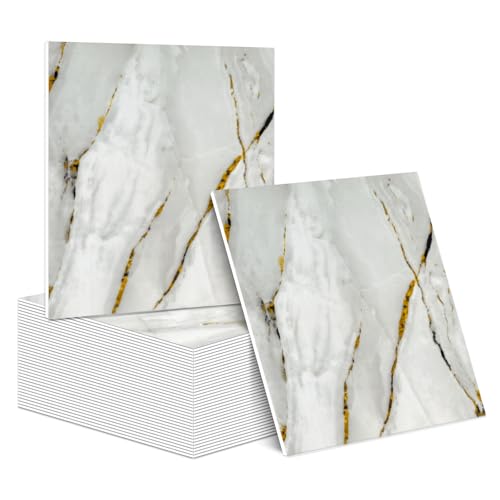
Quick Peel and Stick Design: Featuring a self-adhesive backing, these tiles install quickly and smoothly. Simply peel and stick, and press firmly into place. Designed for straightforward installation, typically requiring only one person

【Luxury Marble Look for Any Space】Bring the elegance of natural marble into your home without the high cost. These decorative wall panels feature a realistic marble pattern that adds depth, texture, and a sophisticated touch to living rooms, bedrooms, TV walls, and modern interiors
10. Marble Panel TV Wall
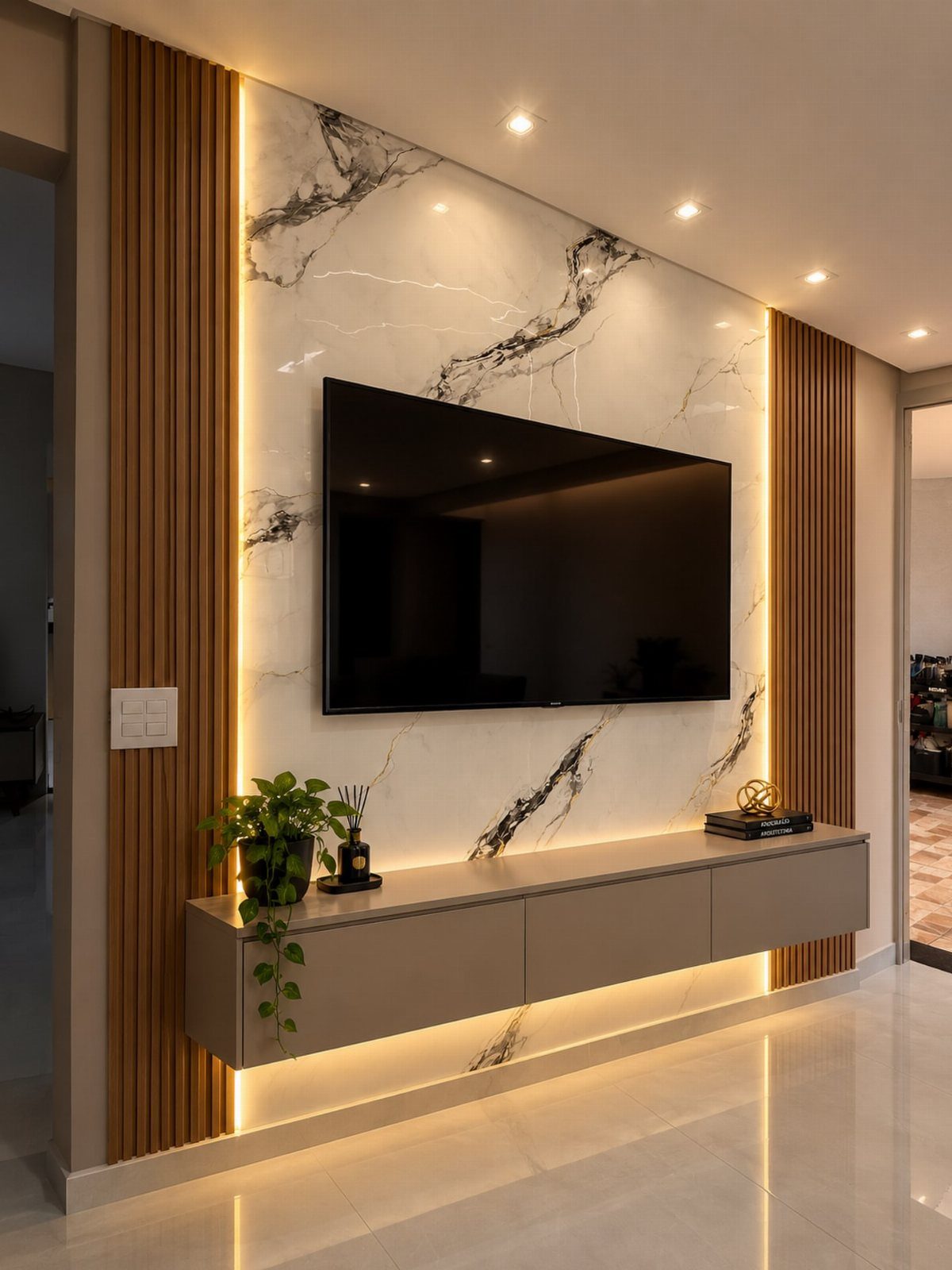
Marble-look panels with wood slats on each side give you the luxury signal without the luxury invoice. The vertical slats add rhythm, and the warm LED strips behind them mean the wall glows rather than glares.
Lowe’s carries marble-look panels that run a fraction of real stone. The math works out to a hundred-to-one ratio, which turns a designer wall into a material cost plus your weekend.
The floating console below matters as much as the wall. It keeps floor space open and gives you somewhere to hide the router.
Mount it low enough to keep sight lines comfortable, and run the LED strips on a dimmer so evening viewing doesn’t mean full brightness.
I’d use real wood for the slats, not veneer. The warmth is the point, and plywood edges read as office furniture.

Dual Control, Easy to Use: Control the TV backlight your way with the Bluetooth app or the included remote. Change colors, switch modes, and adjust the atmosphere without leaving the couch, whether you're watching movies, gaming, or relaxing at night.

Large TV Backlighting: 16 million color LED strip creates a dynamic TV backlighting experience
For better TV viewing or video games experience and Relieve Eye Strain. Help to make a more comfortable environment when long watch watching and playing TV games
11. Mural TV Accent Wall
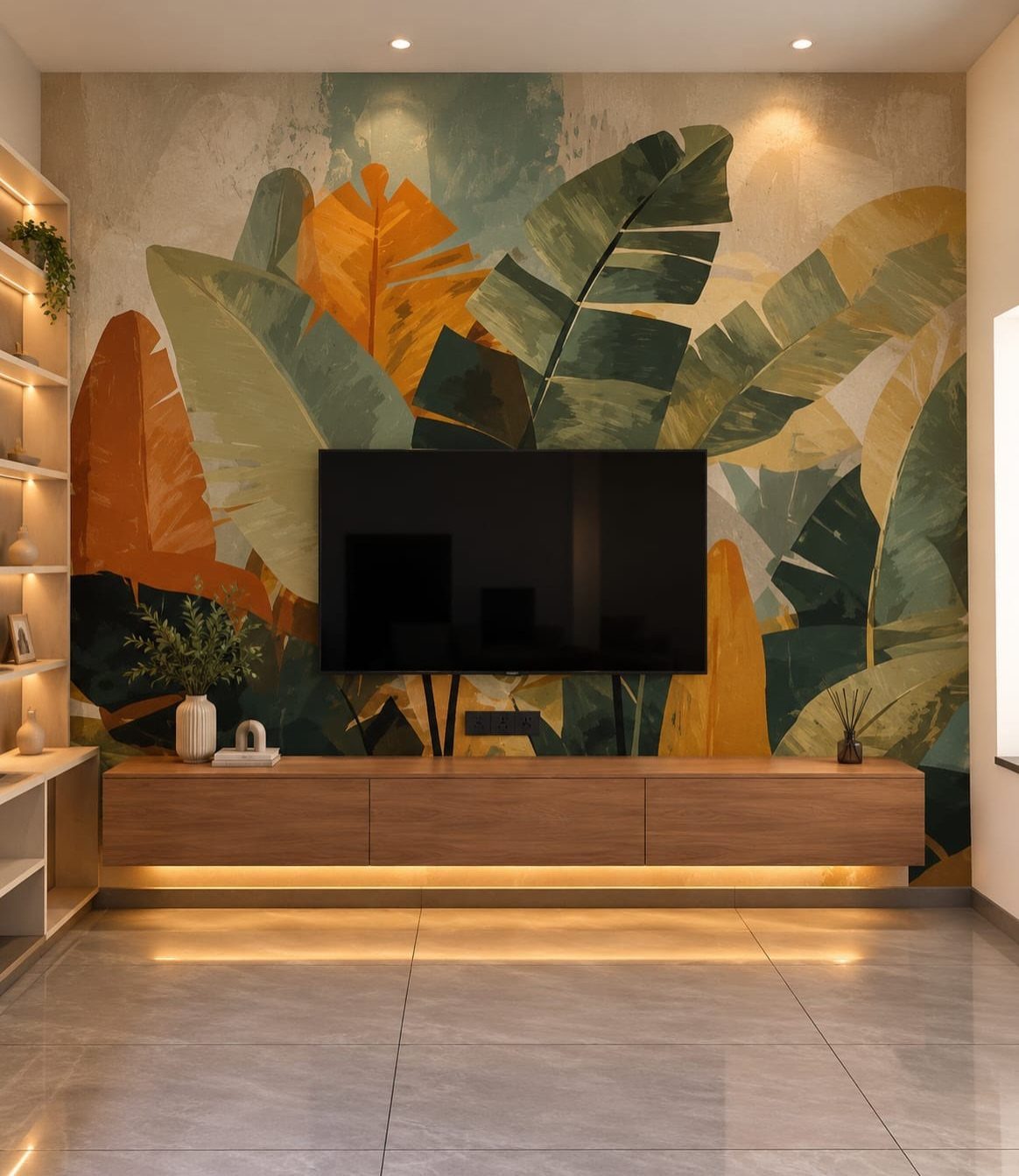
A mural turns the TV into one element in a larger picture, which is the cheapest way to make a screen disappear.
The scale matters: the image needs to read from the sofa, not just up close, so bold shapes beat fine detail.
PhotoWall and similar sources print to your exact wall dimensions. Order a foot extra in each direction; murals shift during install, and you will trim rather than stretch.
The floating console with under-cabinet lighting is a separate move worth copying. It lifts the wood off the floor and casts a pool of light that extends the mural’s glow downward.
Concrete wallpaper is a variation for loft spaces, but a tropical leaf pattern suits more living rooms.
I’d pick the mural’s dominant color from something you already own, a sofa or a rug, so the wall ties in rather than shouting.
While many clever design experts have masterminded workarounds (wooden panels, curtains, custom mirrors and mantels that magically reveal the TV by sleight of hand), sometimes the best option is simply embracing the tech hanging on your wall without trying to erase all evidence of it.
12. Dark Shiplap TV Wall
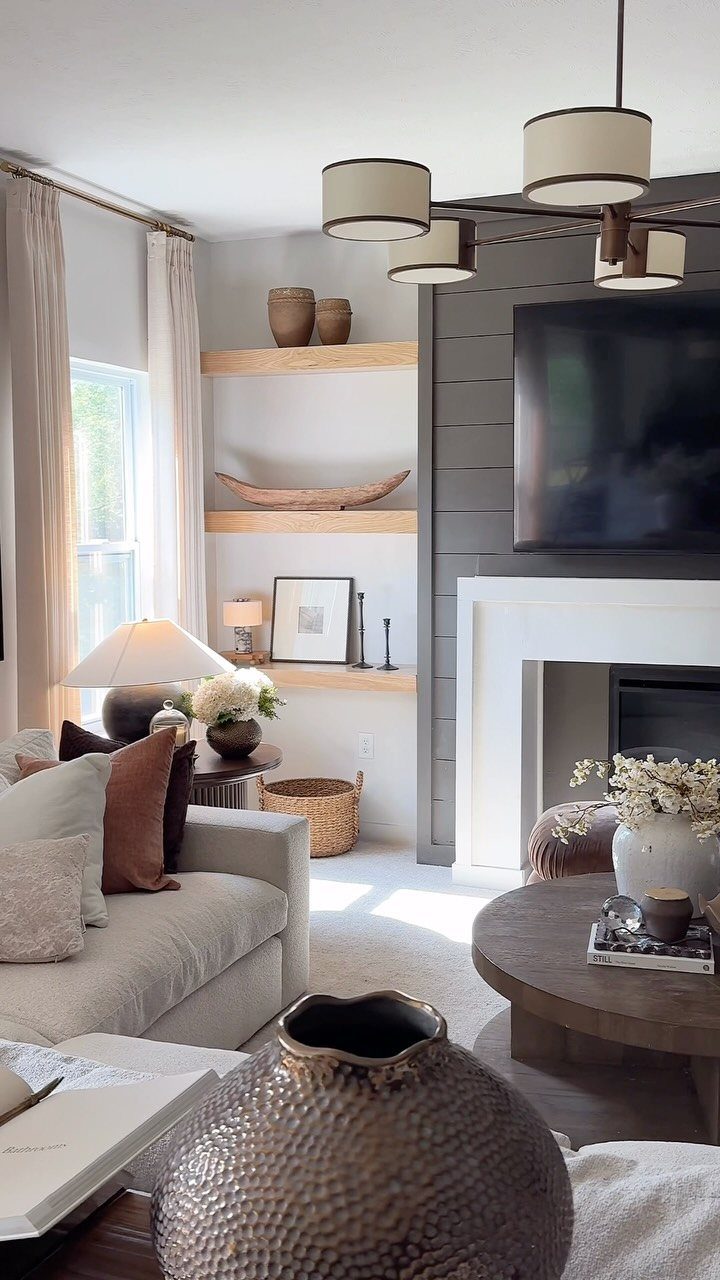
Dark grey shiplap reads as intentional, not as a barn leftover. Running it horizontal rather than vertical widens the room visually, which helps in narrow townhouses where the TV wall faces the entry.
The white mantel is the bridge piece. Without it, dark wood and dark stone can sink into each other; the painted break keeps both defined.
Floating shelves in matching wood extend the mantel’s line without the weight of full cabinetry.
Shiplap goes up fast if your walls are flat. Out-of-plaster older homes need a backing board first, or the gaps wobble.
I’d paint the shiplap before install, touch up after, and seal with a scrubbable finish. Fingerprints collect at the edges, and this is a wall people point at.
13. Arched Alcove TV Wall
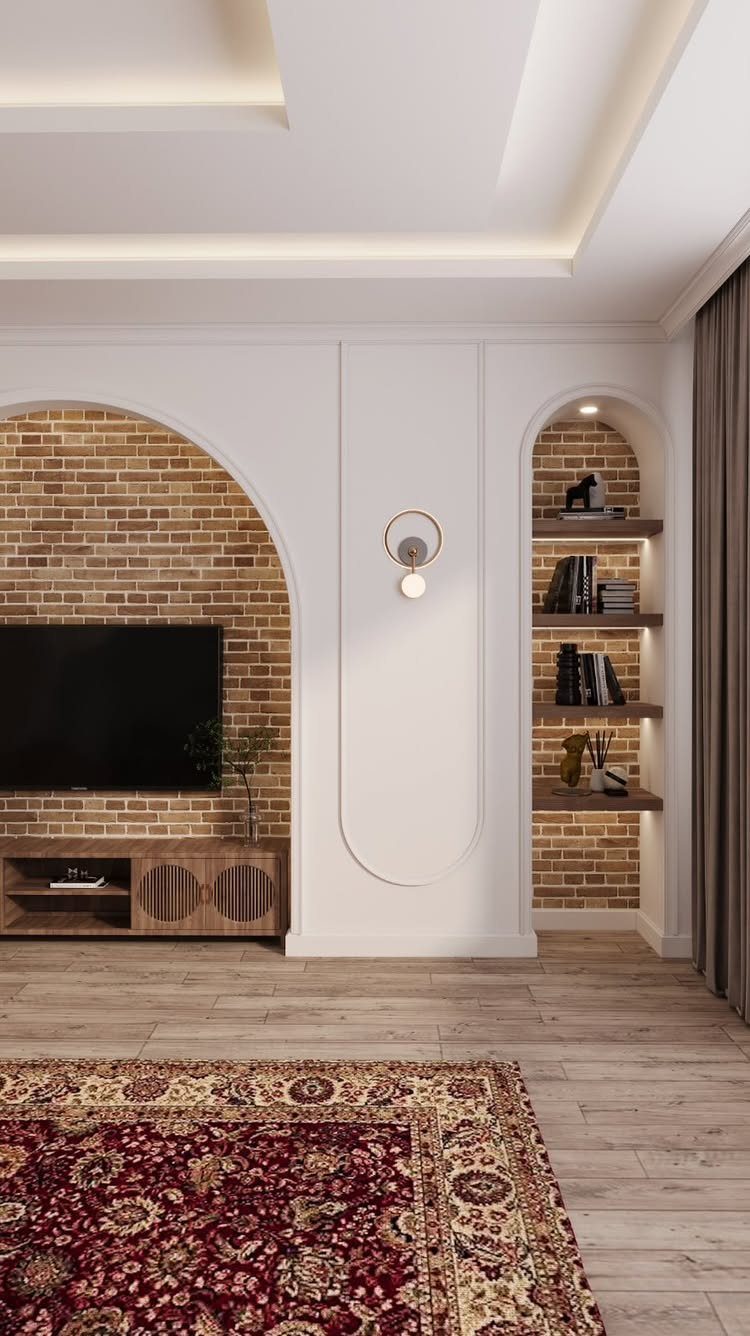
Arched alcoves turn a chimney breast from a TV mounting problem into the room’s best feature. The brick stays exposed, the television sits recessed, and the shape does the decorating.
A joiner can frame the arch in a day if your wall already has the recess. Mine did not, so we built out the surround in MDF, faced it in plaster, and cut the arch with a router jig.
The second matching alcove holds shelves; labor ran several times the material cost on a project like this.
Keep the TV alcove deeper than the screen thickness, or the set reads as stuck on rather than fitted in.
This one suits old houses with odd proportions that standard cabinets flatten out.
14. Wallpapered TV Wall
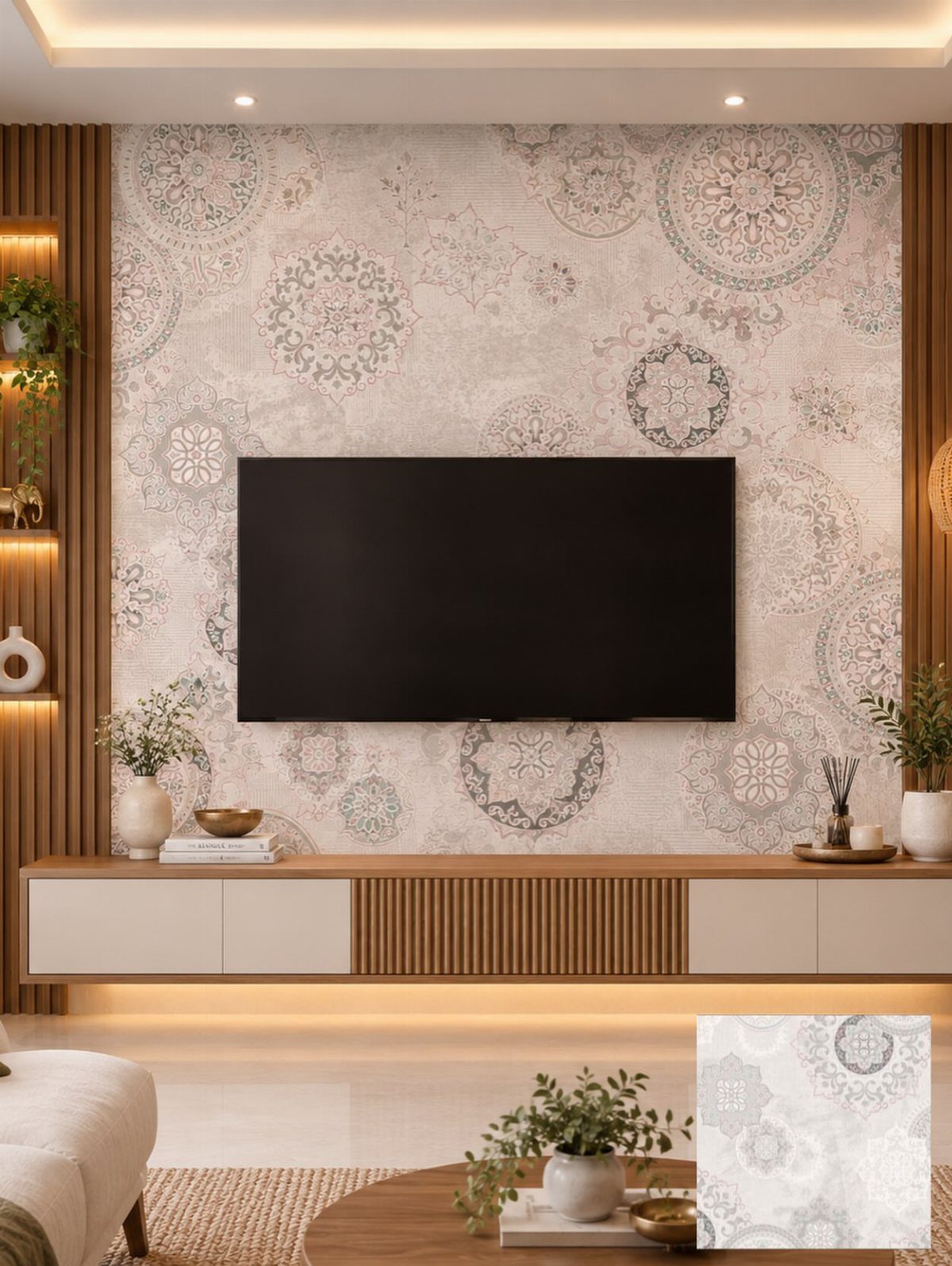
Patterned wallpaper behind a TV reads as either playful or busy depending on the scale.
Grasscloth is the safer first try if you are unsure. The texture hides seams, catches light softly, and costs less than a full mural install.
Concrete-look paper works for loft-style spaces with exposed ductwork or brick already in the room.
Check your wall width against the paper repeat before ordering. A large repeat on a short wall leaves you with a sliver that breaks the rhythm.
Small TVs suit bold paper best. A black rectangle will dominate any print, so size down the set or keep the wallpaper to the surround panels only.
Hiding Cables and Wires
Cable trunking and tidy boxes keep the floor and wall clear of the spaghetti that otherwise collects behind any TV setup.
I would run trunking the full height from floor to screen so one channel carries everything; a box at the bottom hides the power strip and spare length.
A recessed outlet box behind the TV itself, set into the drywall, lets the mount sit flush without the power cord looping out.
If your wall already holds HDMI or coax runs, label both ends before you close anything up; finding the right cable later through a finished wall wastes an afternoon.
For renters, adhesive-backed trunking in a color matching the wall paint removes clean at move-out. Homeowners opening the wall anyway should add a pull string for future cables; a cheap part now saves a wall patch later.
Choosing TV Placement
Room layout dictates where the screen lands more than any design rule.
High-traffic paths across the viewing line will interrupt you and risk the set; I would place the TV where people walk behind seating, not between it and the screen.
Wall space on both sides matters for balance, especially when flanking the TV with shelving or slats.
A screen crammed into a corner with barely any clearance reads as an afterthought; give it real breathing room, or choose a smaller wall.
Daylight is the other enemy. Sunlight hitting the screen directly washes out color and forces you to fight glare with curtains you did not want to close.
Test your preferred wall at the hour you actually watch; a south-facing spot that glows at 4 p.m. will annoy you by 6.
Lighting Considerations
Ambient lighting behind or beside the TV, not overhead, is what lets your eyes relax in a dark room.
The color temperature of any LED strip matters as much as its placement.
Pair it with shaded table lamps or indirect sconces; the combination gives the room atmosphere without competing with the screen.
Frequently Asked Questions
Is it a good idea to hang a TV on a wall?
Yes. Mounting saves floor space and lets you treat the screen as part of the wall design rather than a piece of furniture to work around.
A wall-mounted TV also keeps sight lines open in smaller rooms and gives you the option to recess it or surround it with built-in storage.
Which wall should the TV be on in the living room?
Pick the wall with enough open space on both sides to balance the screen visually, and keep it out of paths where people walk between rooms.
Daylight matters too: direct sun washes out color and sharpness, so test your spot at the time you actually watch.
How to decorate a TV wall in a living room?
Add texture behind or around the screen so the wall reads as designed, not as an afterthought. Wood slats, paneling, painted brick, or a mural all give the eye somewhere to travel besides the black rectangle.
Built-in cabinetry or a floating console hides cables and anchors the TV in the room’s architecture.
What is the best thing to put TV on in a living room?
Built-in cabinetry is the cleanest solution: it recesses the screen, swallows cables, and gives you display space above and storage below.
A floating console works if you want to keep floor space open and the budget modest; just mount it low enough that devices below do not break the sight line.