A wooden plank wall can run from a $149 shiplap afternoon to walnut boards that cost per foot and need a hunt for local stock, and the ideas below cover both ends of that range.
Reclaimed barnwood reads as history, a chevron pattern reads as geometry, and the ideas below include both along with everything in between.
Some of these projects stay weekend-simple, like basic shiplap or a slat wall, while others need more planning, and the tips below sort out which is which.
[link-whisper-related-posts]1. Reclaimed Barnwood Planks
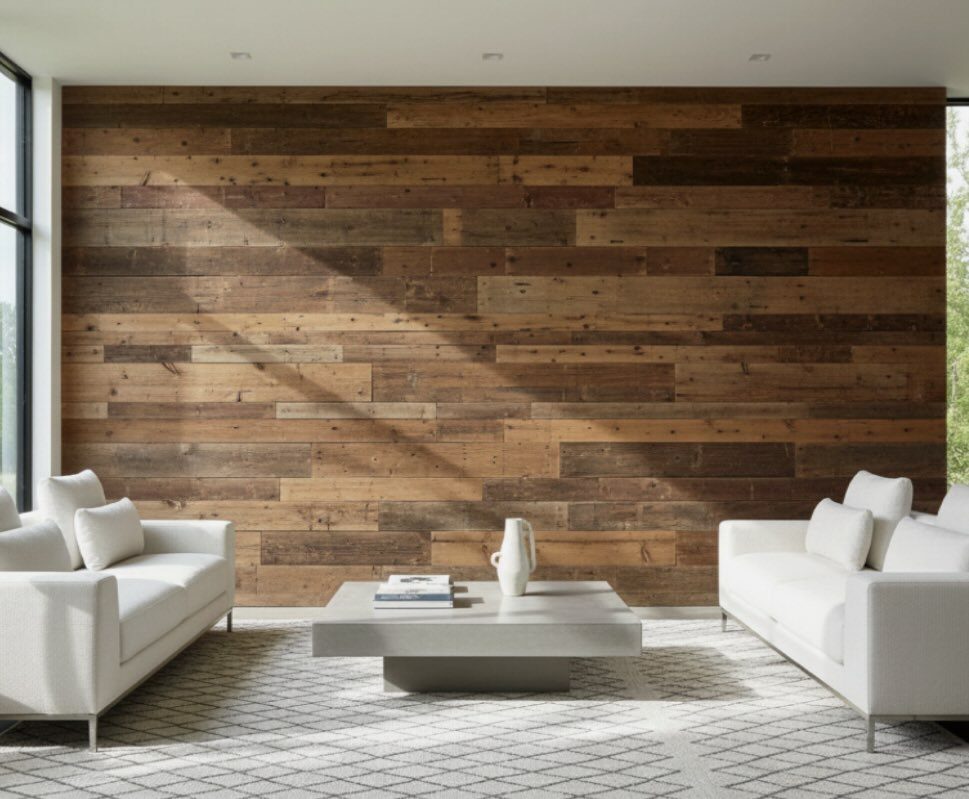
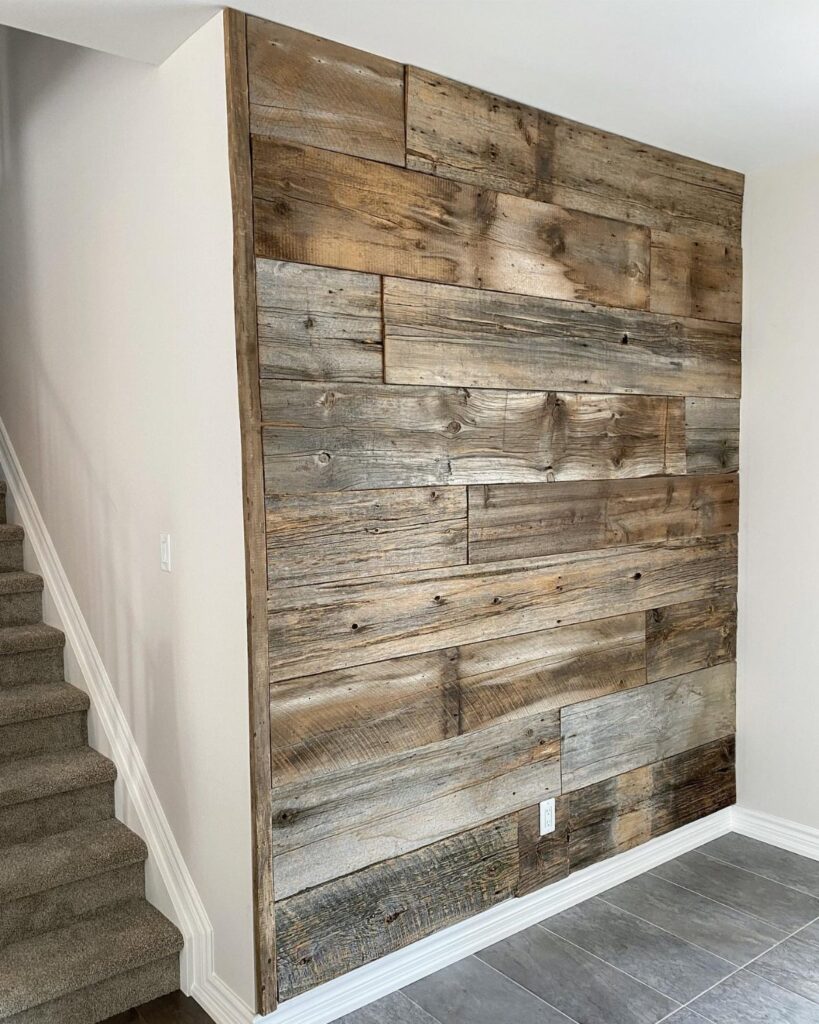
Old barn wood carries nail holes, saw marks, and gray streaks that new lumber cannot fake. Each plank tells where it came from, which is why this wall reads as history rather than decoration.
The boards vary in tone from honey to charcoal depending on their age and original paint, so sorting them before you nail anything up saves regret later.
I would lay out the full run on the floor first, mixing dark and light so no patch clusters.
Reclaimed wood is harder than farm-fresh pine and shrugs off dents, which makes it practical for entryways and kids’ spaces. The green appeal is real: no new tree cut, no drying kiln fired.
Check that your source has treated for insects, though. Bugs do not add charm.

RECLAIMED WOOD ACCENT: Real reclaimed and recycled wood, naturally-weathered wood paneling adds a beautiful, rustic accent to your walls

🪵 Authentic Reclaimed Barnwood: Made from 100% authentic, real weathered wood, reclaimed in Oklahoma, USA for true rustic character.
RECLAIMED WOOD ACCENT: Real reclaimed and recycled wood, naturally-weathered wood paneling adds a beautiful, rustic accent to your walls
2. Shiplap Wall Planks
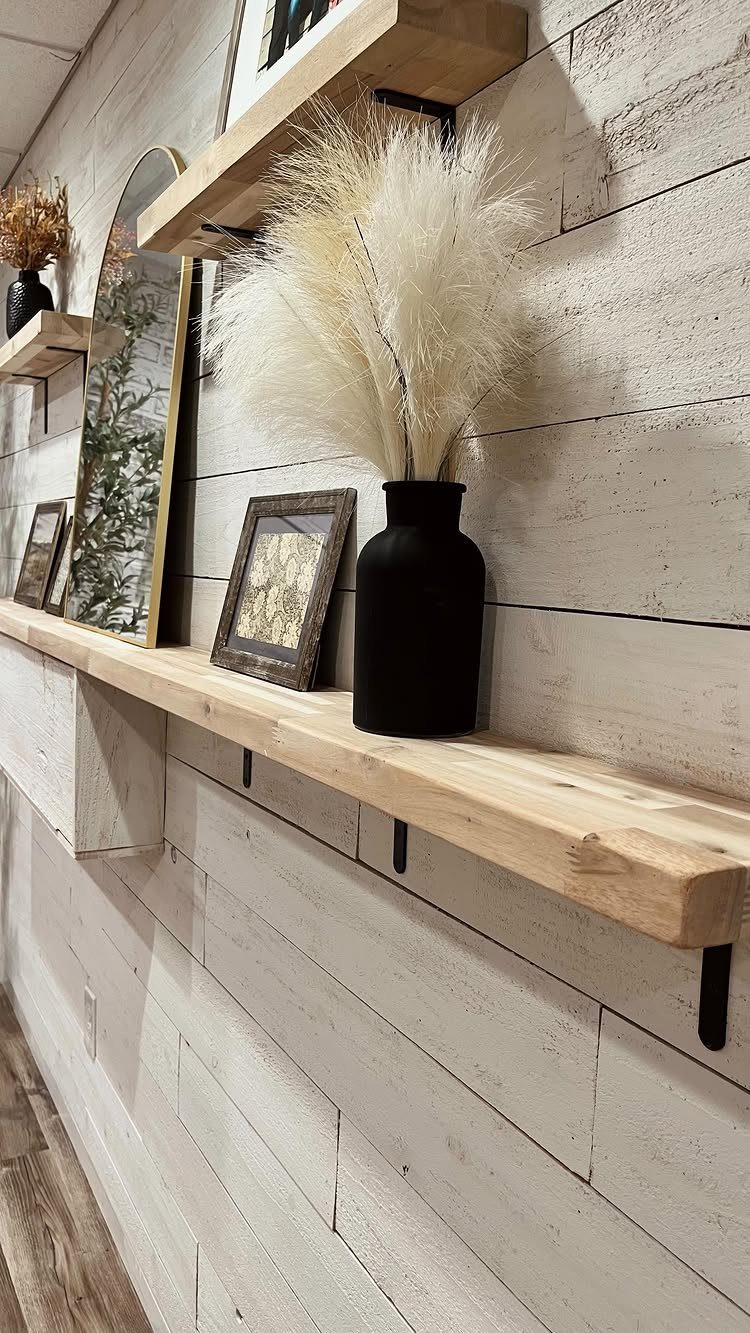
Shiplap earns its keep with a rabbeted edge that lets each board slot over the next, hiding fasteners and giving that clean channel shadow line.
A miter saw and finish nailer handle the cuts; I did a full living room wall in an afternoon once the boards were acclimated to the room.
Horizontal runs widen a narrow space, vertical runs raise a low ceiling, and diagonal costs more in waste but reads as custom. One maker got her whole wall done for $149, which tells you this lands in weekend-project territory.
Whitewash or paint keeps the look coastal; stain reads more cabin. For bathrooms or backsplashes, a waterproof topcoat matters: raw wood behind a sink will blacken within a season.

[Luxdecor Real Wood Wall Planks]:100% Real Pine Wood Wall Planks With Natural Knots and Dents, the Surface Of Wood Shiplap Planks Is Processed With High Temperature Carbonization, the Real Wood Wall Shiplap Planks Is Non-Toxic, Sterilized and More Safe For Children,Voc Free Process Ensures These Stick on Shiplap Planks For Walls Are Safe To Use In Home

[Luxdecor Real Wood Wall Planks]:100% Real Pine Wood Wall Planks With Natural Knots and Dents, the Surface Of Wood Shiplap Planks Is Processed With High Temperature Carbonization, the Real Wood Wall Shiplap Planks Is Non-Toxic, Sterilized and More Safe For Children,Voc Free Process Ensures These Stick on Shiplap Planks For Walls Are Safe To Use In Home
3. 3D Wood Planks
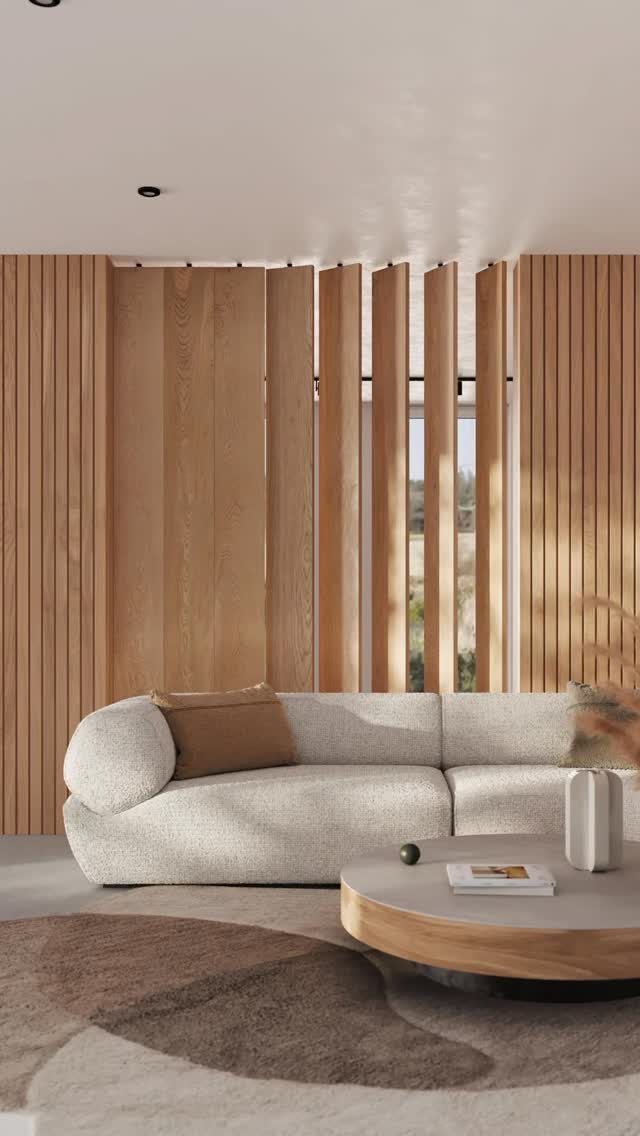
The effect is architectural without being busy.
Installation uses the same cleat or adhesive method as flat panels; the variation is in the stock itself. Thin strips mixed with thicker ones create the rhythm, and leaving some raw while oiling others deepens the contrast over time.
An accent wall is the right scope. Wrapping a whole room in this much texture can feel like the inside of a speaker cabinet.
I would keep furniture low and simple against it, letting the wall be the one ornate thing.
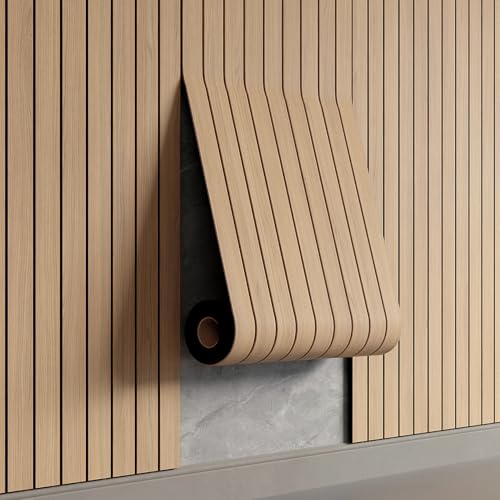
Effortless Peel & Stick Installation--Enjoy hassle-free setup with our self-adhesive PVC slat panels! Just measure, peel off the backing, and press onto any clean, flat surface—no tools or expertise needed. Perfect for DIY beginners and quick home makeovers.
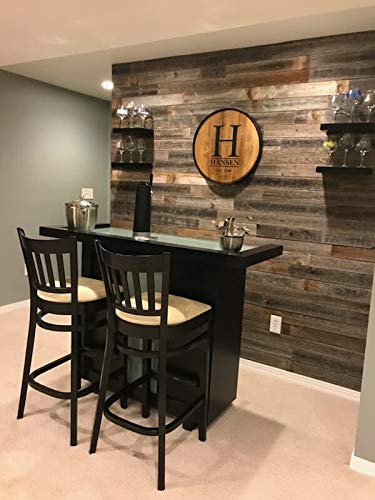
✔️100% REAL wood with adhesive strips on the back that are easy to install
4. Walnut Wood Wall Planks
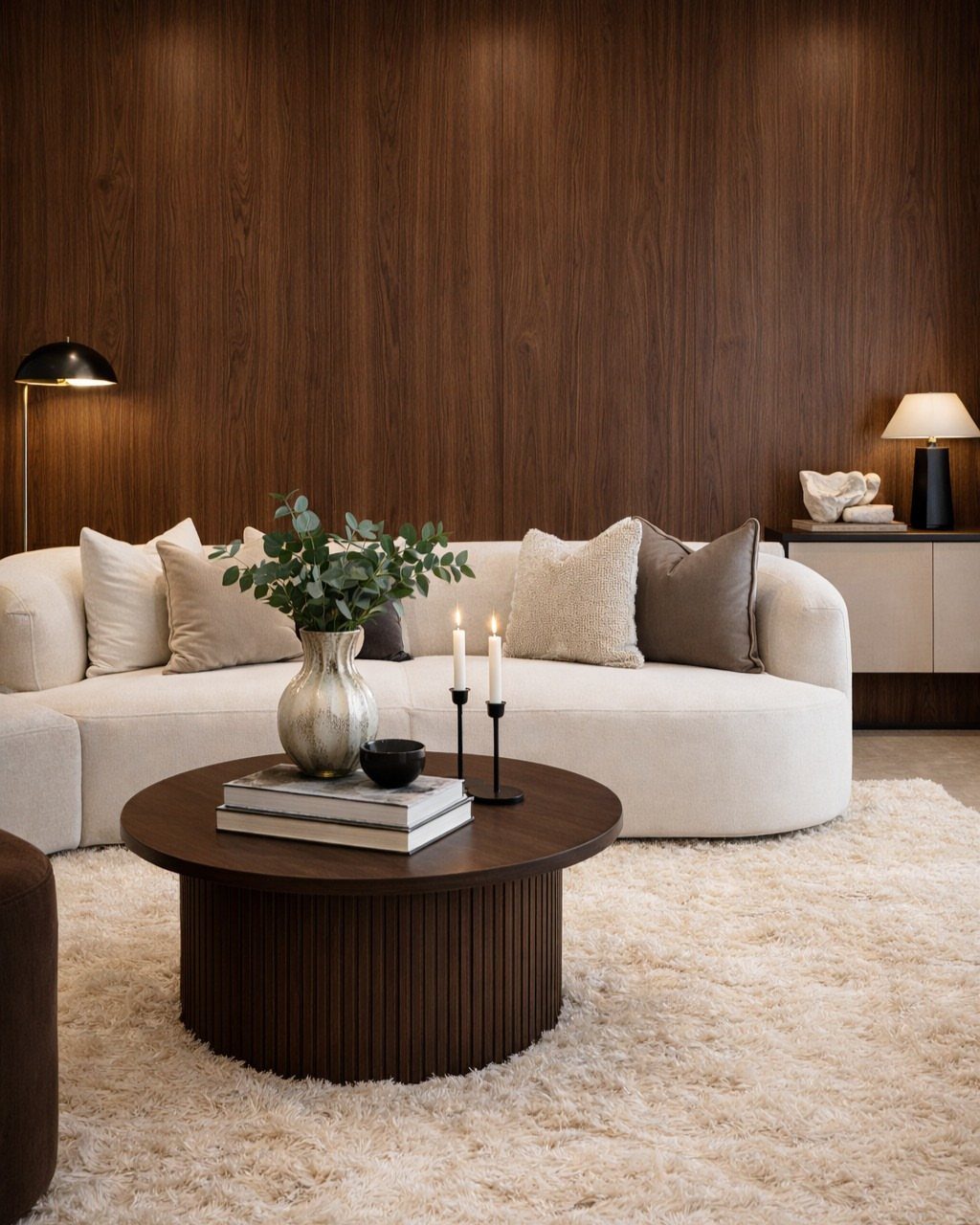
Walnut runs from milk-chocolate brown to near-black with sapwood streaks, and it photographs warmer than it reads in person.
In a room with north light, that depth can swallow a space; in a bright room or one with warm bulbs, it glows.
Full-wall coverage suits walnut better than a small patch, which can look like a television got framed. The grain is usually straight and quiet, so large areas do not tire the eye the way figured maple might.
Locally sourced stock costs more per board foot than generic hardwood but carries tighter grain from slower growth. For a commercial space or a home library where the wall sets the mood, that character justifies the search.

High-Quality Wall Panels: Our acoustic panel set is crafted with high-density polyester fiber, premium medium-density fiberboard, and a solid wood veneer. This combination provides an elegant look, superior sound damping, and excellent sound deadening, significantly improving room acoustics

Lightweight Yet Durable Construction: Our peel and stick wood wall panels are lightweight yet made of tested materials, ensuring durability and a valued finish in your space

High-Quality Wall Panels: Our acoustic panel set is crafted with high-density polyester fiber, premium medium-density fiberboard, and a solid wood veneer. This combination provides an elegant look, superior sound damping, and excellent sound deadening, significantly improving room acoustics
5. Chevron Pattern Wood Plank Wall
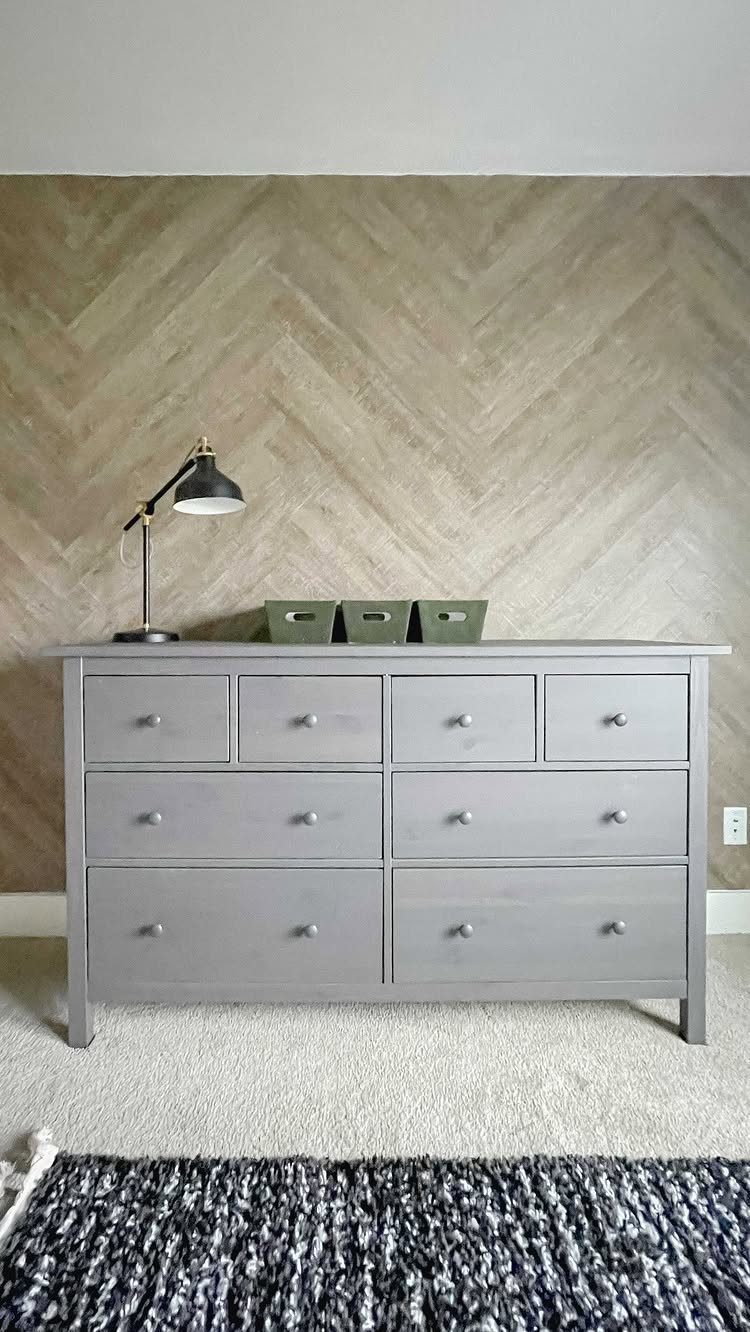
Chevron asks for precision: every cut meets at a sharp angle, and a gap of even a hair throws the whole zigzag off.
A miter saw with a fresh blade and a test board or three will save you from pulling nails later.
The pattern works best on a wall that has a clear top and bottom to anchor it, like behind a headboard or a console table. Running it floor-to-ceiling without furniture in front can feel like a hotel lobby.
I would use a single wood species and let the geometry do the work; mixing tones here competes with the lines.
Paint the wall behind the planks a dark match to the wood so any shrinkage gaps disappear instead of shouting.

Real Wood Wall Planks: 100% Real Barn Wood Wall Planks With Natural Knots and Dents, the Surface Of Wood Shiplap Planks Is Processed With High Temperature Carbonization, the Real Wood Wall Shiplap Planks Is Non-Toxic, Sterilized and More Safe For Children, Voc Free Process Ensures These Stick on Shiplap Planks For Walls Are Safe To Use In Home

[MATERIALS]: The wall planks are made of laminated wood plus pine with authentic grains and knots. This process delivers unmatched stability that resists warping and cupping. Each plank showcases genuine wood grain, rich pine scent, and unique character.
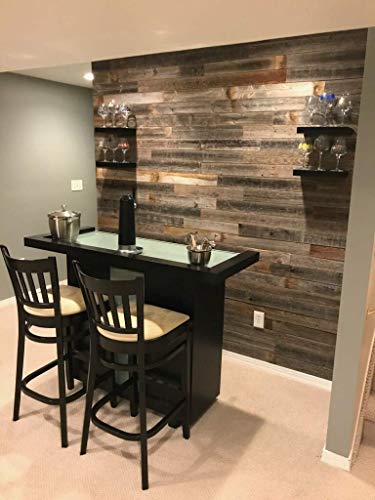
RECLAIMED WOOD ACCENT: Real reclaimed and recycled wood, naturally-weathered wood paneling adds a beautiful, rustic accent to your walls
6. Vertical Wood Slat Wall Feature
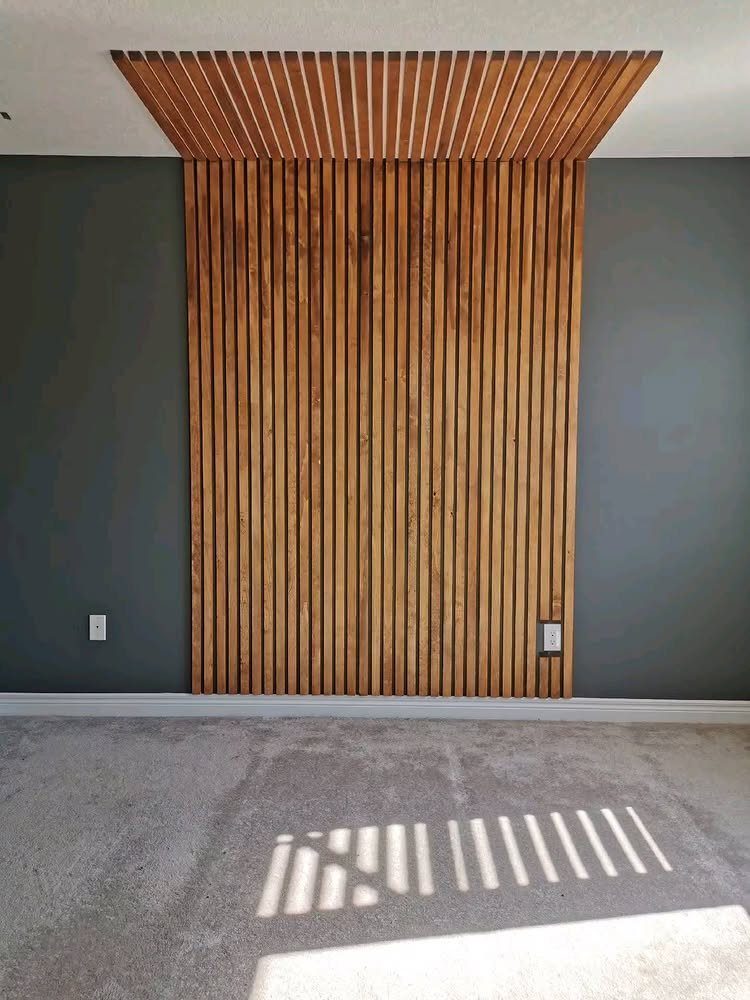
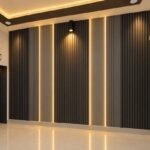
Slats running floor to ceiling draw the eye up and make a standard wall feel taller than it is.
The spacing between them matters more than the slat width: tight reads as screen, loose reads as fence, and a middle ground where light filters through but the wall still holds presence takes some trial with scrap pieces first.
This example takes the slats onto the ceiling as a shallow canopy, which turns a flat wall into a room-shaping gesture. That overhang needs blocking in the joists to anchor; do not trust drywall alone.
Dark paint behind light wood makes the slats pop forward without adding thickness. I would prime the backing wall black before installation so the gaps stay uniformly shadowed even as the wood ages to amber.

【REAL WOOD】– Made of 100% dried fir wood imitating vintage reclaimed barnwood appearance for interior finish. The colors will vary from browns to grays depending on the batch.

🪵 Authentic Reclaimed Barnwood: Made in the USA from 100% genuine, naturally weathered barn wood salvaged from American farms and homesteads.
RECLAIMED WOOD ACCENT: Real reclaimed and recycled wood, naturally-weathered wood paneling adds a beautiful, rustic accent to your walls
Installation Tips for Wood Planks
A tape measure and a level are the two tools that separate a wall you notice from a wall you live with.
I would measure twice at ceiling height, wall midpoint, and baseboard; ceilings are rarely level, and a plank that looks straight against a crooked line will read as your mistake, not the house’s.
Horizontal runs are the default for good reason: they suit most rooms and forgive minor wobble in the boards.
Vertical installation asks the eye to travel up, which can stretch a low room, but every gap shows if the plumb is off.
Diagonal patterns burn extra material in cuts; buy more than you think you need so you do not run short before the wall is done.
Let the wood sit in the room a few days before you cut so it settles to the humidity it will live with. Boards that shrink after installation open gaps you cannot close.
A finish nailer set to just below the surface hides fasteners; face-nailing every board reads as hardware, not craft.
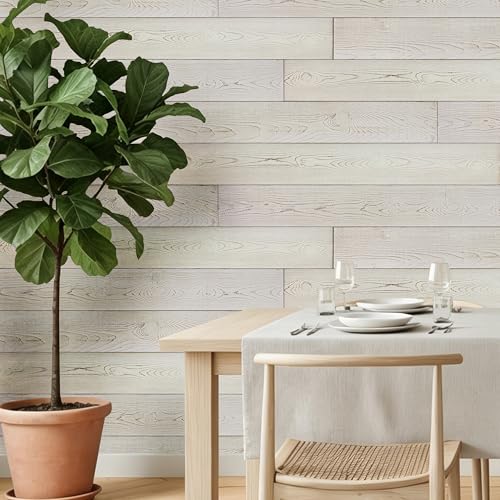
[Luxdecor Real Wood Wall Planks]:100% Real Pine Wood Wall Planks With Natural Knots and Dents, the Surface Of Wood Shiplap Planks Is Processed With High Temperature Carbonization, the Real Wood Wall Shiplap Planks Is Non-Toxic, Sterilized and More Safe For Children,Voc Free Process Ensures These Stick on Shiplap Planks For Walls Are Safe To Use In Home

[Luxdecor Real Wood Wall Planks]:100% Real Pine Wood Wall Planks With Natural Knots and Dents, the Surface Of Wood Shiplap Planks Is Processed With High Temperature Carbonization, the Real Wood Wall Shiplap Planks Is Non-Toxic, Sterilized and More Safe For Children,Voc Free Process Ensures These Stick on Shiplap Planks For Walls Are Safe To Use In Home

All-in-one Molding Kit: This premade board and batten wainscoting kit includes 20 molding slats and 3 decorative edge strips for quick accent wall assembly. It is supplied to build classic board and batten wall designs
Benefits of Wood Planks
Wood on a wall does what paint cannot: it catches light unevenly, holds warmth after the sun shifts, and records the passage of time in its grain.
The variation from plank to plank knits together into a surface that reads as one living thing rather than a grid of panels.
Solid and engineered hardwood both resist staining and stand up to the dry air of heated winters and the humidity of summer months.
In a cabin, an office, or a city living room, the material adapts; the same wall of walnut that reads as library in one space reads as loft in another depending on what sits in front of it.
Reclaimed stock carries the lowest environmental cost, since the tree was felled decades ago and the drying kiln never fired.

EXCEPTIONAL ACOUSTIC PERFORMANCE - Our wall wood panels, with a high 1750gsm felt density, significantly outperform standard 1350gsm options in sound absorption and noise reduction, creating a peaceful and acoustically optimized environment.

【Superior Sound Dampening】- Art3d wood wall panels are engineered to significantly minimize noise levels in any setting. Crafted from high-density polyester fiber, these panels absorb sound waves, enhancing acoustics and fostering a more serene and comfortable environment
Maintenance of Wood Planks
The finish you choose on day one determines how much attention the wall needs on day one thousand.
Dust settles into the channels of shiplap and the gaps between slats. A vacuum with a brush attachment handles it faster than a cloth, which snags on splinters and rough grain.
Smooth cedar planks wipe clean with less effort; the tradeoff is that every fingerprint shows until you learn to stop touching the wall.
Sunlight bleaches wood unevenly. A plank behind a sofa keeps its original tone while the exposed field lightens, and moving the furniture later reveals a shadow you cannot blend away.
I would accept the change as part of the material’s life, or plan the layout so the sun hits as evenly as the room allows.

Premium Real Wood Wall Planks: 100% Real Solid Wood Wall Planks With Natural Patterns and Dents, the Surface Of Wood Backsplash Planks Is Processed With High Temperature Carbonization, the Real Wood Wall Planks Is Non-Toxic, Sterilized and More Safe For Children, VOC Free Process Ensures These Square Backsplash for Walls Are Safe To Use In Home

Stylish Design & Simple Installation: Elevate your space with these modern wall panels, featuring clean lines and beautiful wood grain finishes. Installation is quick and easy on any wall or ceiling using just glue or screws, making your accent wall project effortlessly stylish.
Color and Texture Options
Weathered barn wood arrives with its color already earned: gray streaks from oxidation, honey tones where the original paint failed, charcoal where the grain held moisture.
Sorting these before installation lets you compose the range rather than accept a random scatter.
Smooth cedar offers the opposite proposition. The surface is even, the grain subtle, and the color stays within a narrow band from plank to plank.
For covering a ceiling imperfection or an exposed pipe, that uniformity matters more than character.
Designer-approved color options on smooth stock run from pale ash to deep espresso, applied consistently so the wall reads as intention rather than accident.
Reclaimed wood offers no such guarantee; the same source can deliver boards that clash or boards that harmonize, and the difference is in the hand that selects them.
I would choose reclaimed for a space where the story of the material matters, and smooth finished stock for a room where the architecture itself is the statement.
🪵 Authentic Reclaimed Barnwood: Made from 100% authentic, real weathered wood, reclaimed in Oklahoma, USA for true rustic character.

Reclaimed Wood Panels: Reclaimed wood paneling for walls is designed to create accent walls, feature walls, and interior spaces; these wall board panels feature a barnwood look with rustic color variations, reflecting the unique story of each piece

Boho Mid-century Abstract Design: blends mid-century modern and bohemian aesthetics with wave, mountain and sunset motifs; Features terracotta, teal, mustard yellow and natural wood tones for a cozy artistic focal point
Frequently Asked Questions
What are some things I can make with wood planks?
Accent walls are the most visible use, since they sit at eye level and make an immediate impression on anyone entering a room. Wood planks also work for headboards, ceiling treatments, and commercial spaces that take heavy foot traffic.
The natural variation in grain and tone does what paint cannot: it adds texture that reads as genuine rather than applied.
What are the different types of wooden planks?
Shiplap carries a rabbeted edge that slots together and hides fasteners, leaving that clean shadow line. Three-dimensional planks mix thin and thick strips for architectural texture without busy patterning.
Smooth planks offer uniform grain for modern spaces, while walnut and other hardwoods bring depth through natural color variation.