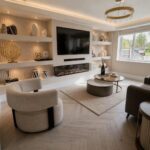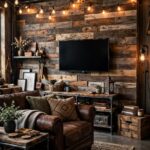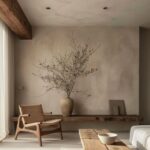
Alder wood floors range from pre-finished rustic grades to engineered wide planks, and the right choice depends on which of these styles fits your space and your budget.
Red alder works well in bedrooms and formal spaces where the softer wood won’t take a beating, while distressed textures hide the dents and scratches that come with daily life.
Knotty alder wide plank floors come in both solid and engineered construction, and the thickness of that top wear layer matters if your house shifts with the seasons.
[link-whisper-related-posts]1. Distressed Alder Wood Floors
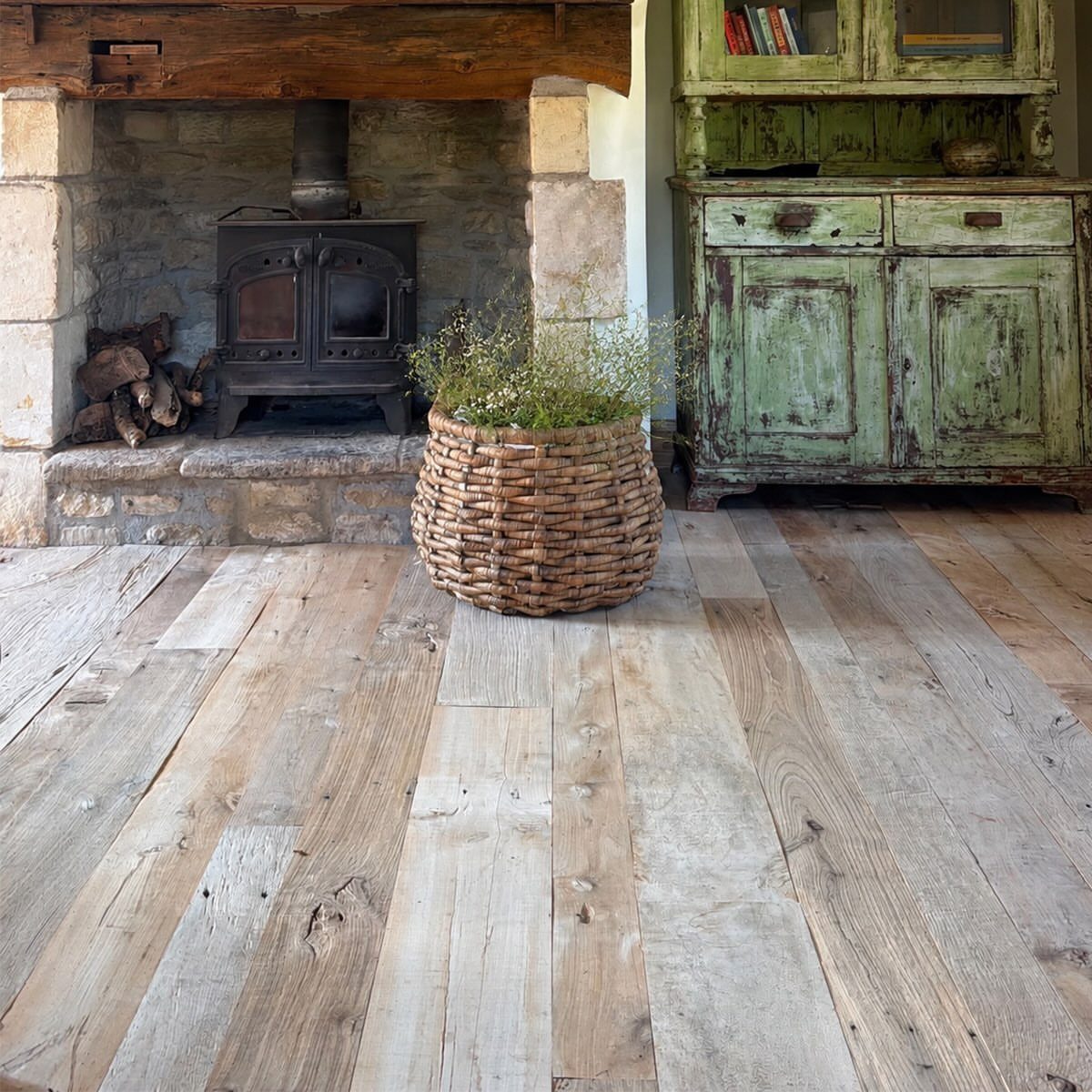
Distressed alder carries the marks of saw blades, hand scraping, or wire brushing right in the factory finish, so the floor arrives already broken in.
That saves the years of wear it would take a smooth floor to collect the same character.
Pre-finished planks run $3.95 to $6.95 per square foot for rustic grades, which puts real wood within reach of a laminate budget if you shop the right specials.
Distressing hides dents less than people expect; the texture catches light and shows every new dent as a shiny spot against the dulled surface.
I would put this in a second living room or a bedroom, somewhere with moderate foot traffic and no rolling desk chairs.

100% Genuine Reclaimed Wood – No faux finishes or manufactured distressing. These planks are naturally aged for a truly rustic, farmhouse look. Perfect for DIY Projects –...
2. Fine Grain Alder Wood Floors
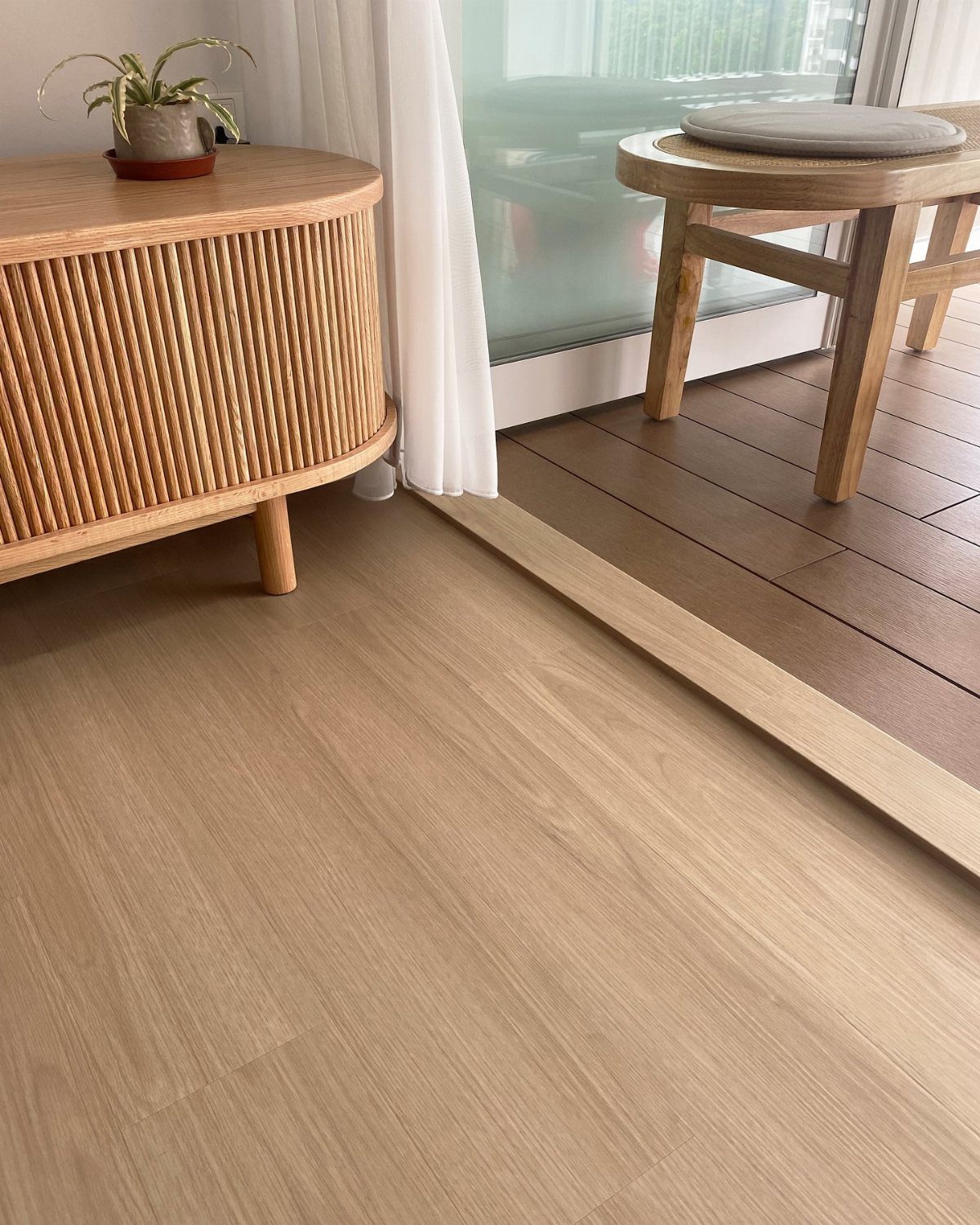
Fine grain alder reads as almost uniform from a few feet away, closer to a painted wood look than to oak or hickory with their loud patterns.
That quiet surface works best in rooms where you want the furniture or the view outside to hold attention instead of the floor itself.
The grain still carries enough movement to keep the eye from flattening the space, and the natural tones range from tan through rusty red to brown depending on which board the mill sends you.
I would sort planks during install and set aside any that jump too far from the batch; the outliers make good closet flooring or cutting board stock.
A fluted cabinet sits beautifully against this backdrop because the floor does not compete.

Premium Cedar and Alder Grilling Planks - 8 Pack (4 of each) - Each Plank Measures 11.5" x 5.5" by 0.7" thickness - These Grilling Planks add smoky flavors to your favorite dishes.

Premium Planks: No seconds, splits or warps. The best of the best.

Premium Alder Grilling Planks - 2 Pack - Each Plank Measures 11.5" x 5.5" by 0.7" thickness - These Grilling Planks add a mild, sweet flavor to your favorite dishes.
3. Red Alder Wood Floors
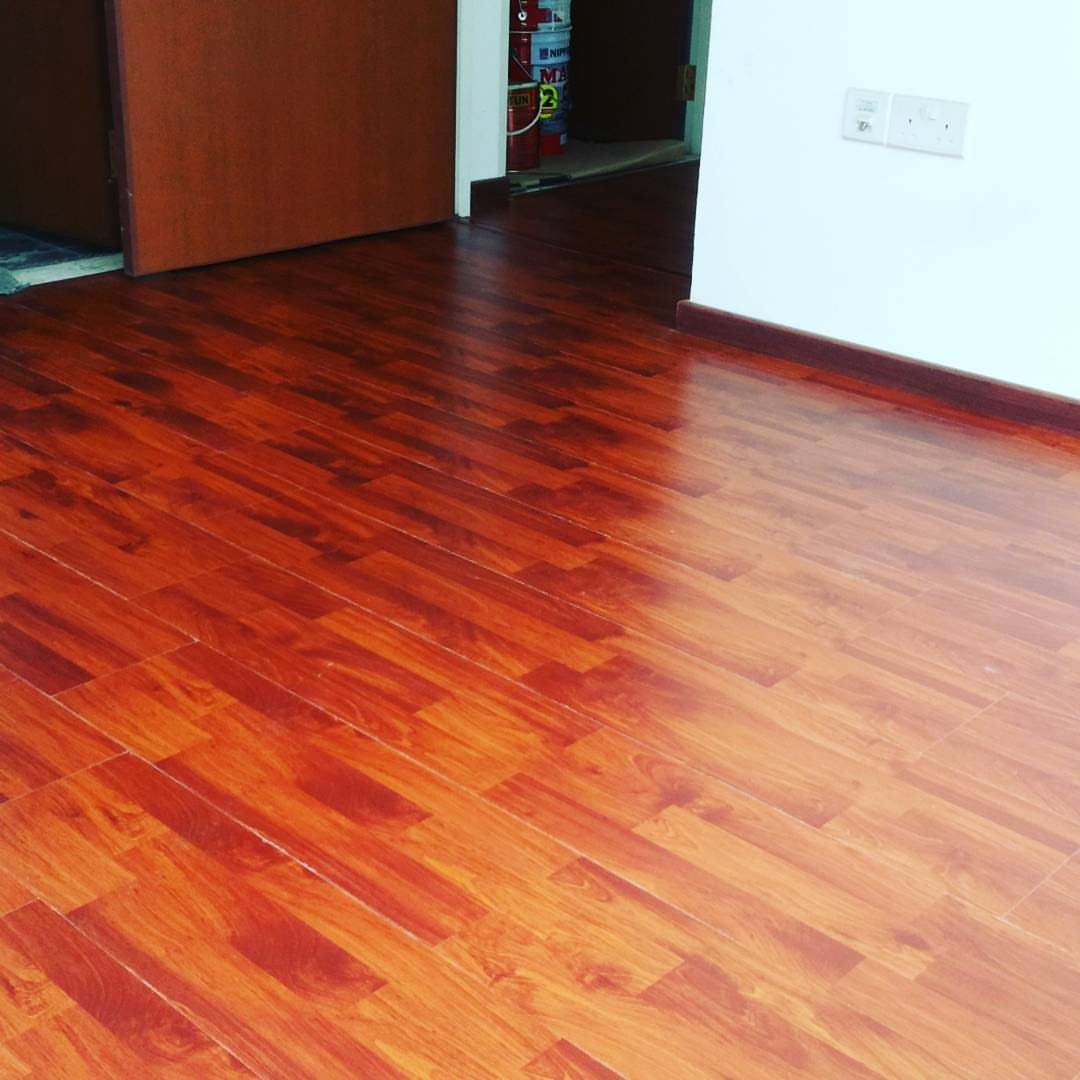
Red alder ranks among the softer domestic hardwoods, below maple and oak by a wide margin. That softness means it dents; it means a dropped cast iron pan leaves a permanent record.
The trade is a floor that costs less up front and carries a warmth that harder woods often need staining to match.
I would not install this in a kitchen with heavy cookware or a front hall with gravel-trailing boots. It suits bedrooms, formal living rooms, and spaces where the household moves gently.
The nitrogen-fixing growth habit of alder trees makes this a choice for buyers who weigh environmental impact; the species restores soil after logging and grows fast enough to replace itself.

Genuine French Oak Construction: Crafted from authentic French Oak, offering natural elegance and character.

Premium European Oak Construction: 6” wide planks from Flooret’s Silvan Resilient Hardwood Collection. Crafted from sustainably sourced European white oak for timeless character and strength.

Top Picks, One Kit: Features the bestselling colors from the Silvan Hardwood 6" Sample Kit—curated to help you find your perfect floor faster. The kit contains cut samples of Anza, Balboa, Evern, Lyon and Norde Signature that are crafted from sustainably sourced European white oak for timeless character and strength.
4. Knotty Alder Wide Plank Floors
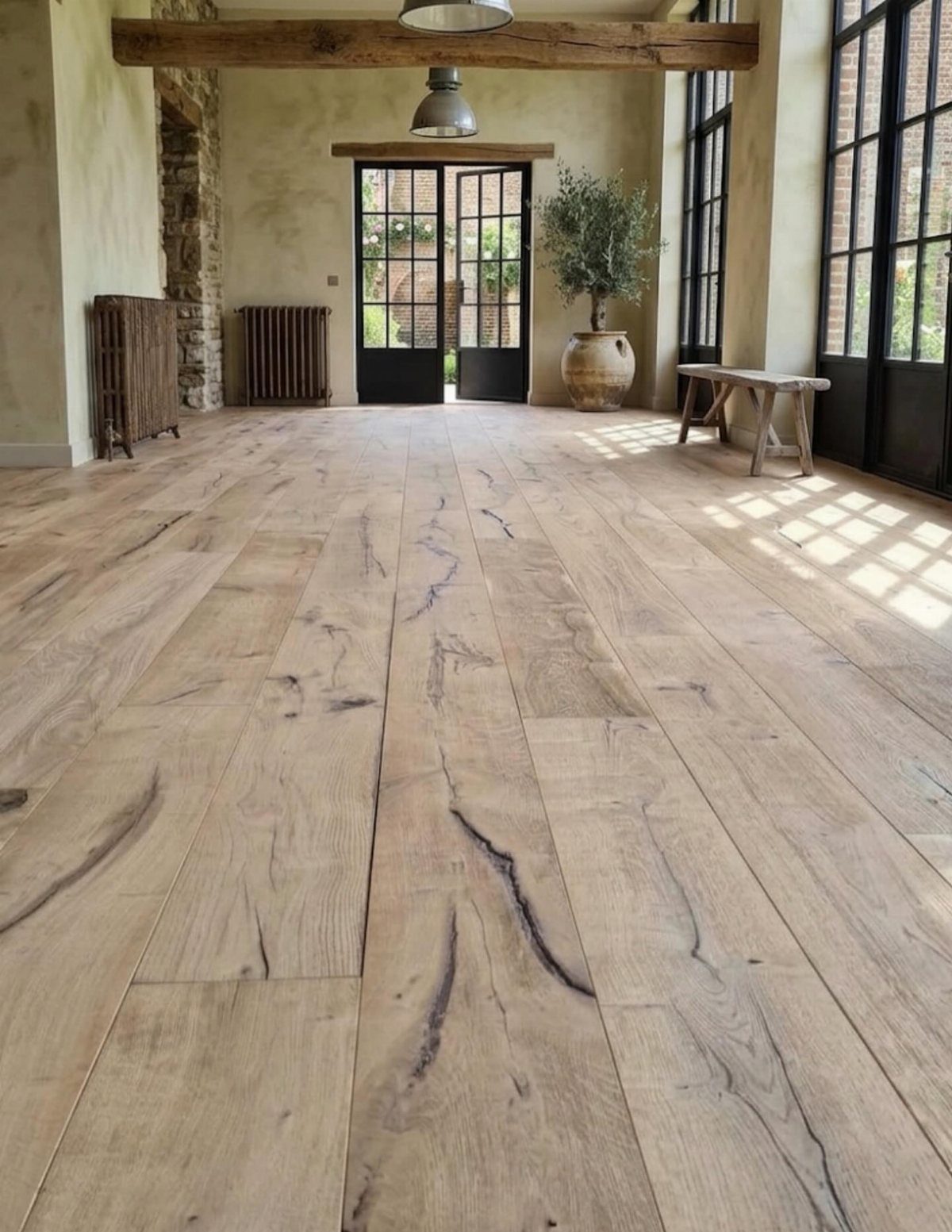
Wide planks in knotty alder turn the defects that mills usually sort out into the main attraction.
Each board carries dark knots and wandering grain lines that would be culled from a select grade, and the 5-inch width or more lets each plank read as a single plank rather than a strip.
Wire-brushed surfaces catch shadow in those knots and soften the light across the room.
Engineered construction with a 1mm wear layer and a plywood core handles the width without the cupping that solid wood risks across seasonal humidity swings.
The lifetime structural warranty and 50-year wear warranty suggest the manufacturer expects this floor to outlast the house.
I would check that the knots are sound and epoxy-filled rather than loose; a knot that falls out becomes a hole that collects grit.

Real Wood Wall Planks: 100% Real Barn Wood Wall Planks With Natural Knots and Dents, the Surface Of Wood Shiplap Planks Is Processed With High Temperature Carbonization, the Real Wood Wall Shiplap Planks Is Non-Toxic, Sterilized and More Safe For Children, Voc Free Process Ensures These Stick on Shiplap Planks For Walls Are Safe To Use In Home

RECLAIMED WOOD ACCENT: Real reclaimed and recycled wood, naturally-weathered wood paneling adds a beautiful, rustic accent to your walls

🪵 Authentic Reclaimed Barnwood: Made in the USA from 100% genuine, naturally weathered barn wood salvaged from American farms and homesteads.
5. Natural Finish Light Alder Floors
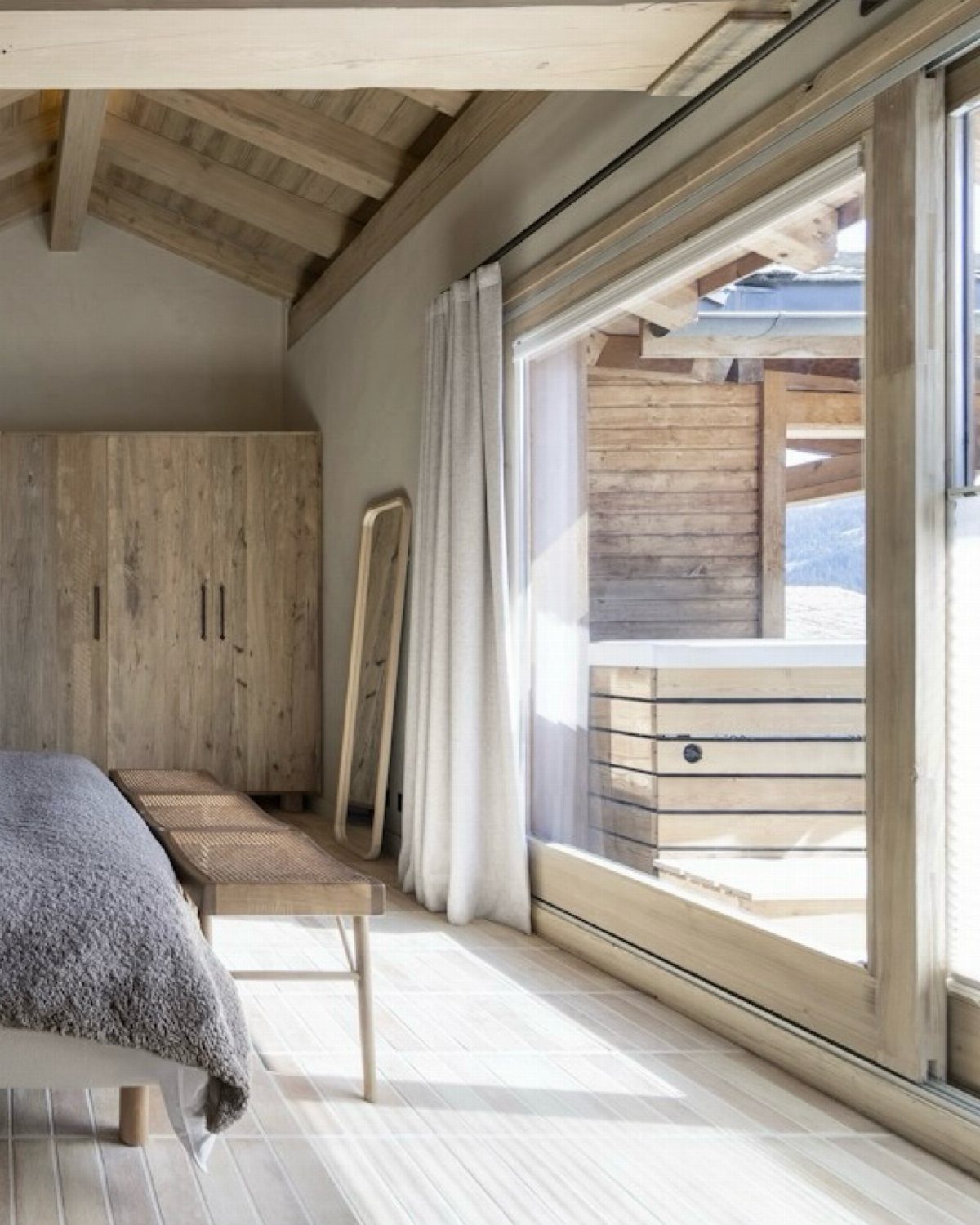
Natural finish keeps alder as close to the tree as factory flooring gets, no stain layer hiding what the sawmill uncovered.
The urethane aluminum oxide topcoat replaces the waxing and polishing that older floors demanded; maintenance now means dry mopping and the occasional damp pass with a well-wrung cloth.
Light tone reflects daylight deeper into a room than medium or dark woods, which matters in north-facing bedrooms and spaces with limited window area.
The UV-resistant layer slows the ambering that sun causes, though any wood left in direct light shifts over years.
I would order samples and live with them in the actual room for a week; the same plank reads warm against cool walls and cool against warm ones, and morning light differs from afternoon.
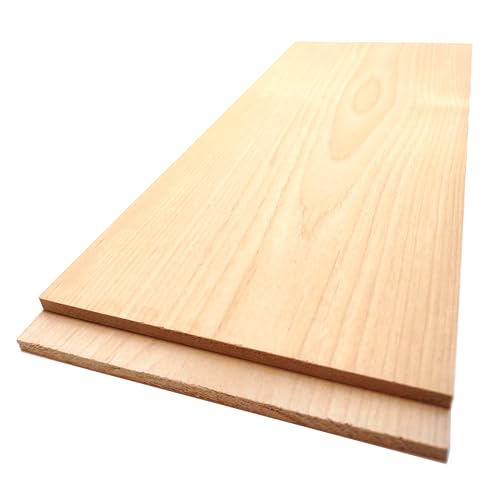
Craft Wood — Thin-sawn, 100% pure hardwood planks designed for crafts; Natural wood blanks for laser cutting & engraving machines; Durable & strong, this Glowforge ready...
6. Warm Stained Alder Wood Floors
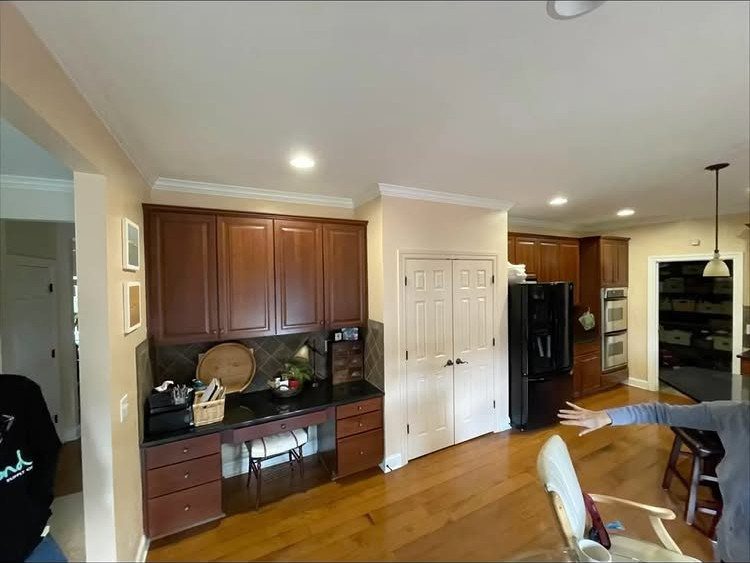
Warm stain on alder pushes the natural tan toward honey and amber, the color that reads as "wood floor" in most minds.
Dark cabinets need that warmth to keep the floor from disappearing into shadow; the contrast between floor and cabinetry gives each its own territory.
Alder takes stain evenly compared to pine, which blotchies at the drop of a brush, but the final color still depends on how long the stain sits before wiping and how many coats follow.
I would test on three loose boards, not the back of a single one, because alder’s grain variation means the same stain formula reads differently board to board.
White doors and beige walls return light against this floor; a room with dark walls and this floor needs more artificial lighting than most people plan for.
Alder Wood Advantages
Alder carries a uniform color and texture that furniture makers have valued for years, and those same traits transfer cleanly to flooring. The wood machines and turns without complaint, taking nails, screws, and glue without splitting or fighting back.
Sanding finishes to a smooth grain that accepts paint readily and takes stain evenly.
The elasticity that makes alder popular for bent furniture parts also helps planks settle into place during installation. Weight stays moderate, so handling full bundles solo remains possible for most DIYers.
Bedrooms, dens, and living rooms suit the material best; the moderate strength holds up fine where foot traffic stays reasonable.
Environmental benefits come with the territory. Fast regrowth means replacement cycles run shorter than with slower hardwoods.

Premium Cedar Grilling Planks - 8 Pack (4 Alder, 4 Cedar) - Each Plank Measures 11.5" x 5.5" with approximately 0.375" thickness - these grilling planks add a rich, smoky flavor to your favorite dishes.

Craft Wood — Thin-sawn, 100% pure hardwood planks designed for crafts; Natural wood blanks for laser cutting & engraving machines; Durable & strong, this Glowforge ready material won’t break easily

PREMIUM ALDER WOOD GRILLING PLANKS: Crafted from 100% natural alder wood, these grilling planks impart a delicate, earthy smokiness with a hint of sweetness, elevating seafood, meats, and vegetables to gourmet perfection.
Alder Wood Disadvantages
Dropped pans, dragged furniture, and grit under shoes all leave marks that harder woods would shrug off. High-traffic foyers and hallways show that wear fastest; the "lived-in" look stops reading as charming and starts looking simply beaten up.
Standing water poses the same threat it does for any hardwood. Bathrooms, kitchens, and mudrooms with their puddles and splashes stay off the list of suitable locations.
Even a small leak left overnight can swell seams that never fully return to shape.
The low stiffness and shock resistance mean alder transmits more impact noise than denser alternatives. Underlayment helps, but the floor itself does not absorb footfalls the way hickory or hard maple would.
For households that prize silence, that acoustic signature matters.


Premium grade exotic angelim hardwood / custom stained / 1/2" thickness x 4 3/4" width

Showcase the look of hardwood with rigid core performance: The Trenta SPC Vinyl Flooring Collection brings enduring style with the authentic look of oak hardwood. Waterproof, easy to clean, indent resistant, sound tested.
Comparison with Other Woods
Stained alder passes for cherry, walnut, or mahogany at a fraction of the cost. The grain structure accepts color evenly, where pine blotches and streaks unpredictably.
A sample board finished in walnut stain sits close enough to the real thing that most guests will not know the difference unless told.
Cherry and walnut move more, requiring tighter acclimation periods and more careful installation.
Weight stays lower than true mahogany, so shipping runs cheaper and handling easier. The trade comes in longevity; a floor that dents under a woman’s heeled shoe will not outlast one that does not.
For a room you are outfitting on a tighter budget rather than a forever timeline, the savings often justify the compromise.

Substantial solid hardwood door slab are warp-resistant, stable, durable and easy to maintain

1 Hand Carved Live Edge Look DIY Plank board included
Finishing Options
Stain opens broader territory. Darker stains push toward walnut territory, though the same stain reads differently board to board depending on grain variation.
Knotty alder with its sound, epoxy-filled knots takes finish differently around each dark whorl. Knots interrupt the grain in scattered clusters that look country and refined at the same time.
High-end cottages and craftsman-motif residences favor this look; the knots that mills cull from select grade become the point.
Pre-finished options arrive ready to walk on, factory-cured harder than site-applied finishes typically achieve.
Frequently Asked Questions
What are the disadvantages of alder wood?
Alder dents more easily than harder woods like maple or oak. A dropped cast iron pan will dent it for good, and anything with grit on the soles or wheels will chew the surface in no time.
The same softness that makes alder affordable and pleasant underfoot also makes it a poor choice for spaces that see abuse; I would skip it in a kitchen where heavy pots crash down or a foyer that takes daily traffic.
Is alder expensive wood?
Pre-finished rustic alder planks usually run $3.95–$6.95 per square foot, which undercuts most comparable hardwoods. At that price, you can sometimes land real wood for what laminate would cost if you shop sales and clearance lots.
The lower price comes with softer wood, so the savings work best in bedrooms and formal living rooms where traffic stays gentle.
Which is better, pine or alder?
Unlike pine, which splotches the second stain touches it, alder drinks color evenly across the grain. Alder also holds nails, screws, and glue well, and it dries with little degradation and stable dimensions.
Pine costs less in some grades, but for a stained floor I would pick alder and skip the fight against splotchy grain.
Is alder soft or hardwood?
Alder sits in the odd middle ground of a soft hardwood; it lacks the density and rigidity of maple or oak, and it will not take a hard impact without denting.
The Janka scale puts it well below those harder species, which is why dents show up fast. Botanically it is a true hardwood from a deciduous tree, not a softwood like pine or fir.