Options run from budget-friendly DIY installs to higher-end choices that need a pro, so there is something for most timelines and wallets.
The deciding factor is what your subfloor can handle, how humid your space gets, and whether you want to nail it down, float it, or glue it.
Red oak at the budget end hides scuffs in its warm grain, while vinyl plank at a comparable price carries a lifetime warranty if you read the wear-layer thickness before you buy.
[link-whisper-related-posts]1. Red Oak Hardwood Flooring
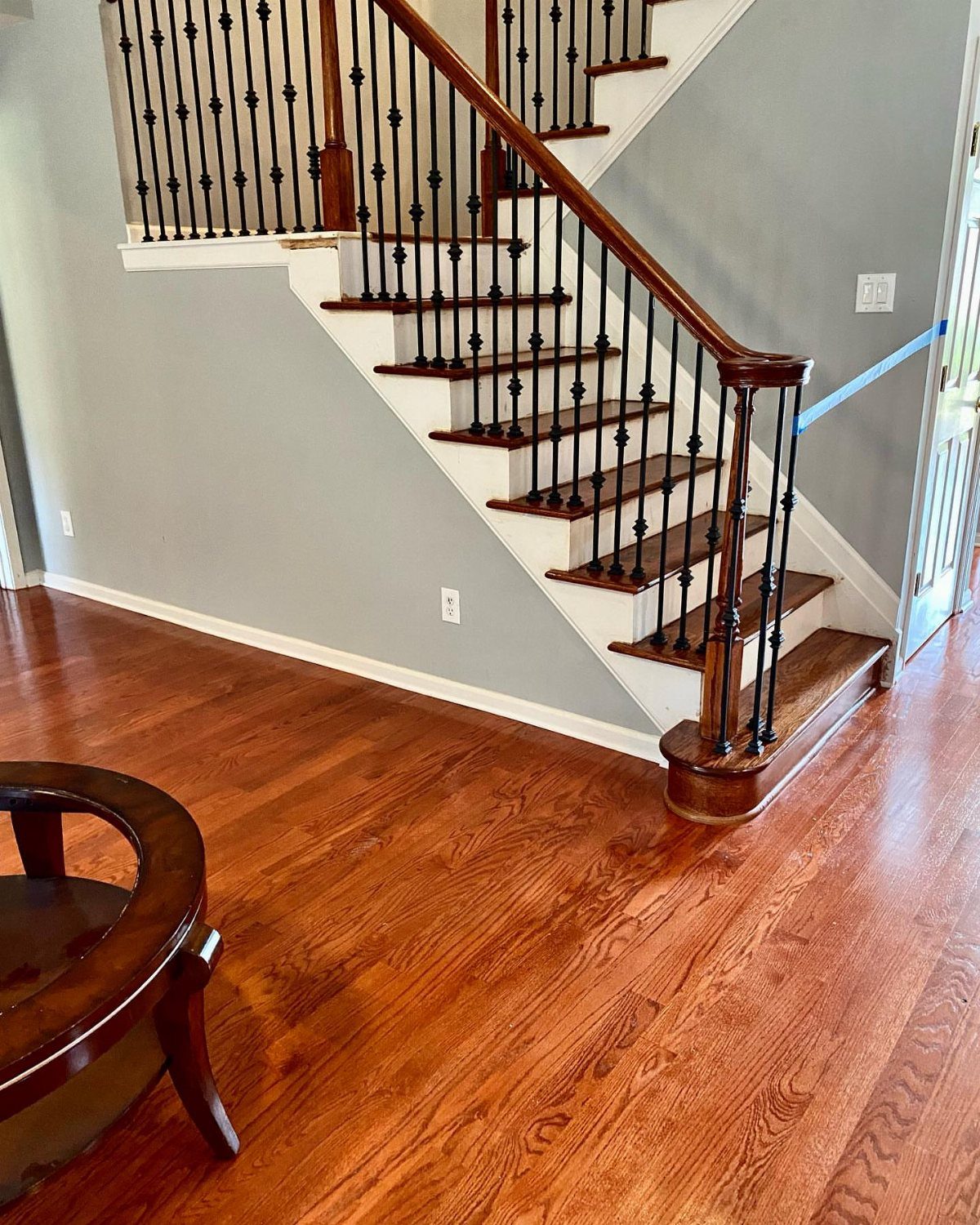
Red oak hardwood carries a warm, reddish-brown tone that hides small scuffs better than maple or the paler species. Solid planks run about $2.50 to $4.99 per square foot, which puts real wood within reach of a modest renovation budget.
I’d steer toward 3/4-inch thickness in a 5-inch width for stability and a classic proportion. Engineered hickory in the same price bracket handles humidity swings better if you are below grade or over concrete.
Installation is the hard part: nail-down takes skill, and paying a pro can double your material cost. For a first-timer with a subfloor worth saving, this is probably weekend three, not weekend one.
2. Vinyl Plank Flooring
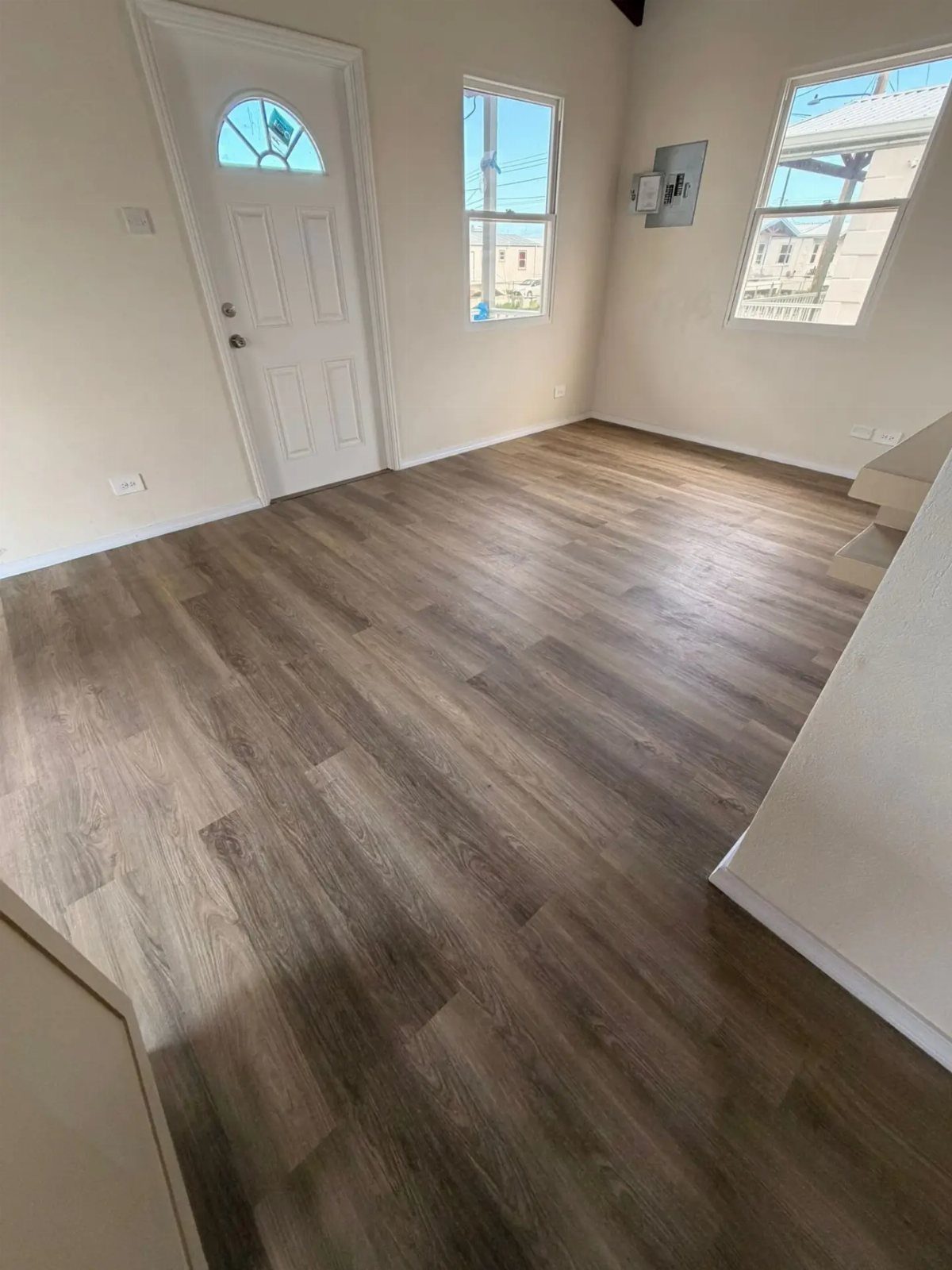
Vinyl plank at $3.79 per square foot gives you a waterproof floor you can drop in yourself, even over most existing surfaces. The embossed surface mimics real wood grain well enough that guests will bend down to check.
Pre-attached underlayment cuts noise and adds cushion, which matters more than you think in a kitchen or kid hallway. Lifeproof’s Trail Oak hits a medium brown with natural variation; Vesinet Oak reads lighter and coastal.
The lifetime warranty sounds generous, but read the wear-layer thickness first. For households with dogs, kids, or a tendency to spill red wine, this trades the prestige of hardwood for sanity.
3. Wood-look Laminate Flooring
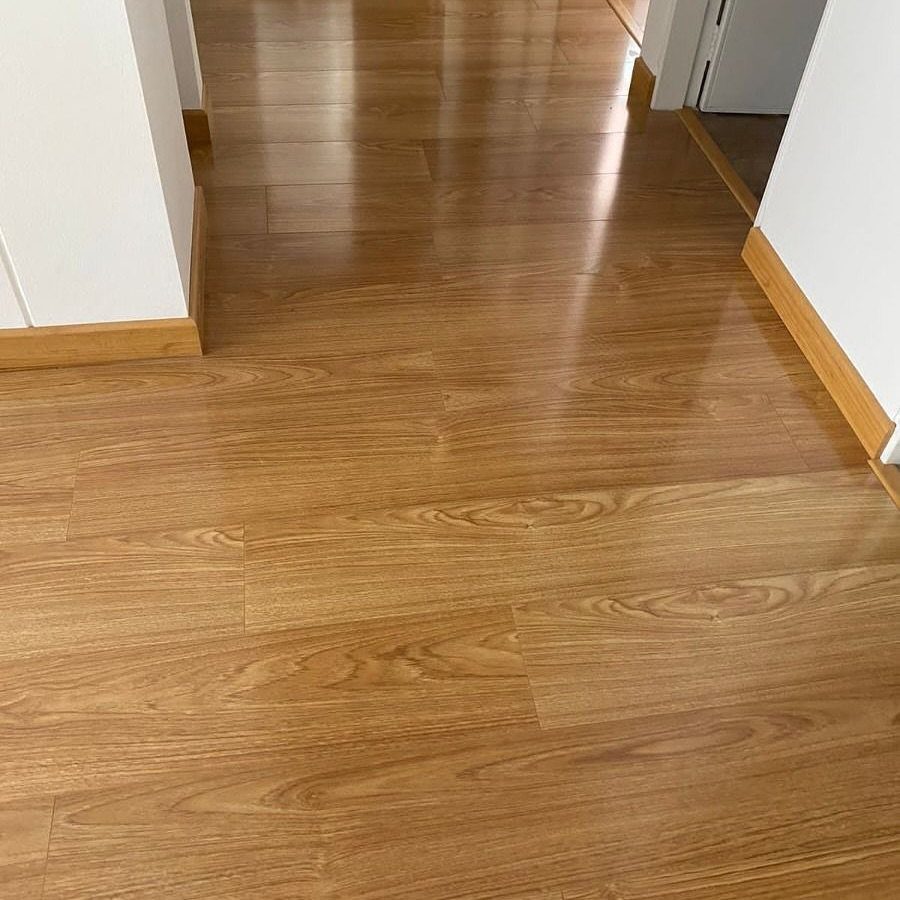
Laminate has come far from the hollow-sounding planks I remember from back when it first showed up in big-box stores.
RevWood builds in water resistance and keeps the manufacturing domestic, which matters to some buyers. Glossy finish reflects light well in a narrow hallway, though it will show every footprint until you establish a no-shoes rule.
For a rental or a first home you might sell soon, this delivers the hardwood effect without the hardwood investment. Just do not install it anywhere you expect standing water.
4. Grey Wood-look Flooring
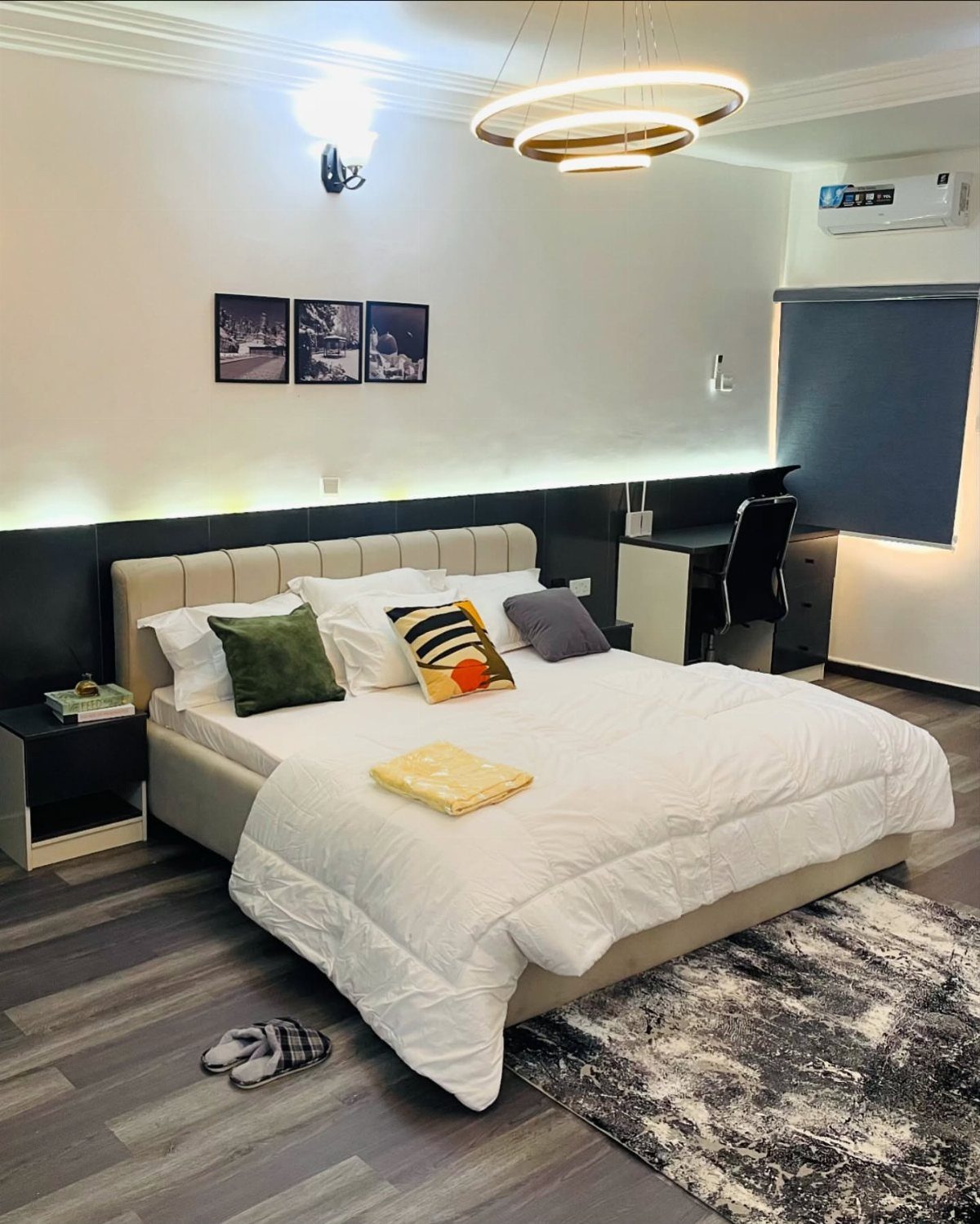
Grey flooring reads modern without trying too hard, and it pairs with wall colors that would fight warmer wood tones. Polished grey oak at a mid-tone avoids the clinical feel of lighter greys.
Mohawk’s Ivey Gates in this shade runs 8-11/32 inches wide, which makes a small room feel larger than skinnier planks would. The 12mm thickness gives a solid footfall and helps with uneven subfloors.
I’d pick this for a bedroom or home office where you want calm over coziness. It will not warm up a north-facing room on its own, so budget for a rug or two if your windows face the wrong direction.

Double the Width: Our premium wood grain tiles are 11.8 inches wide, offering double the coverage of standard tiles, making installation and renovation a breeze. Ideal for peel and stick flooring solutions
5. Light Natural Hardwood Flooring
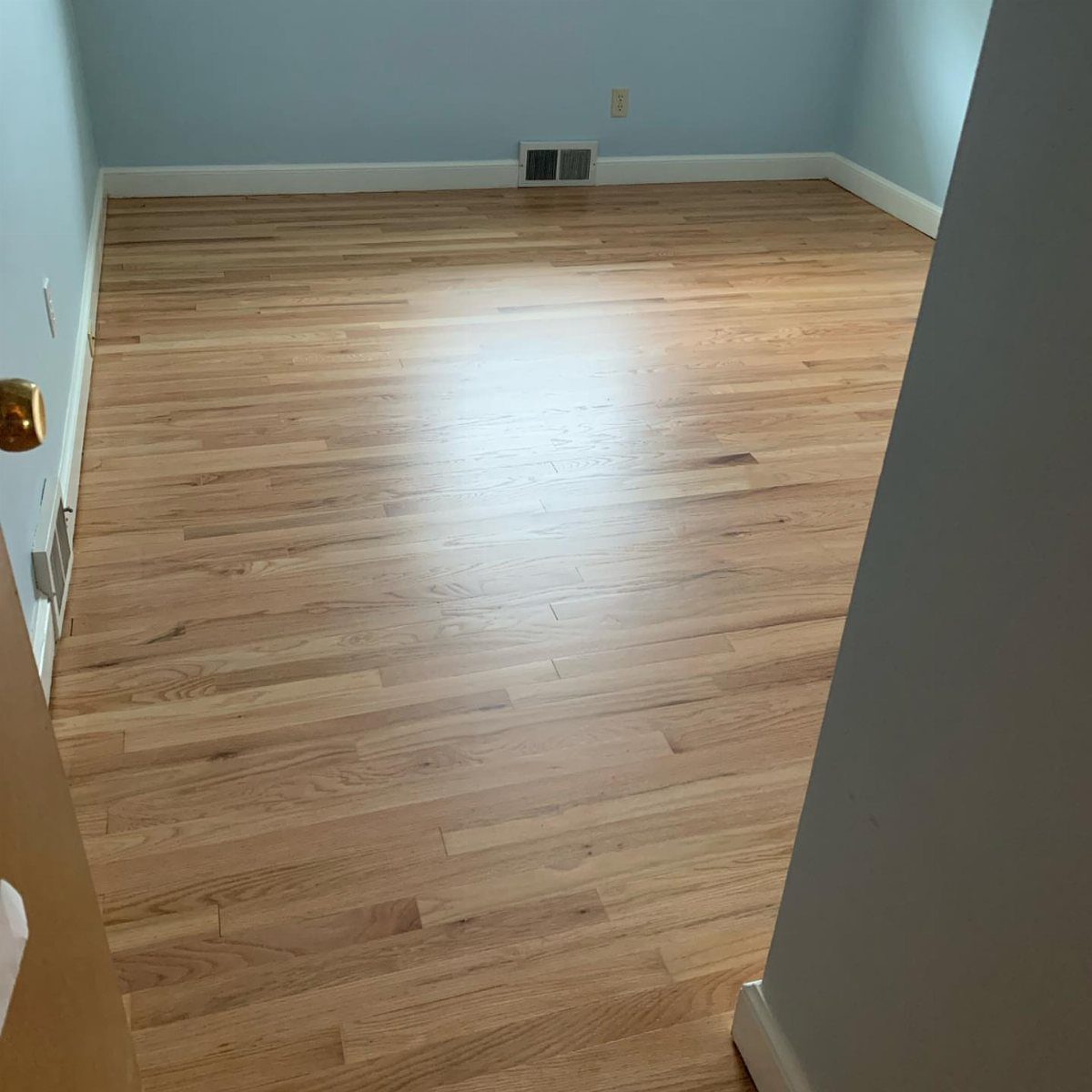
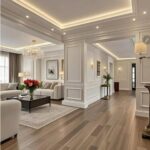
Light natural hardwood opens up a room the way paint cannot.
Solid or engineered construction both work here; select grade keeps knots minimal for this clean look. Order 5–10% extra for waste and the inevitable future repair, more if you are running boards diagonally or working around a fireplace.
This tone shows every crumb and pet hair, so weigh your tolerance for sweeping against the visual spaciousness. For a sun-filled living room in a house you plan to keep, the tradeoff lands in its favor.
6. Medium Brown Hardwood Flooring
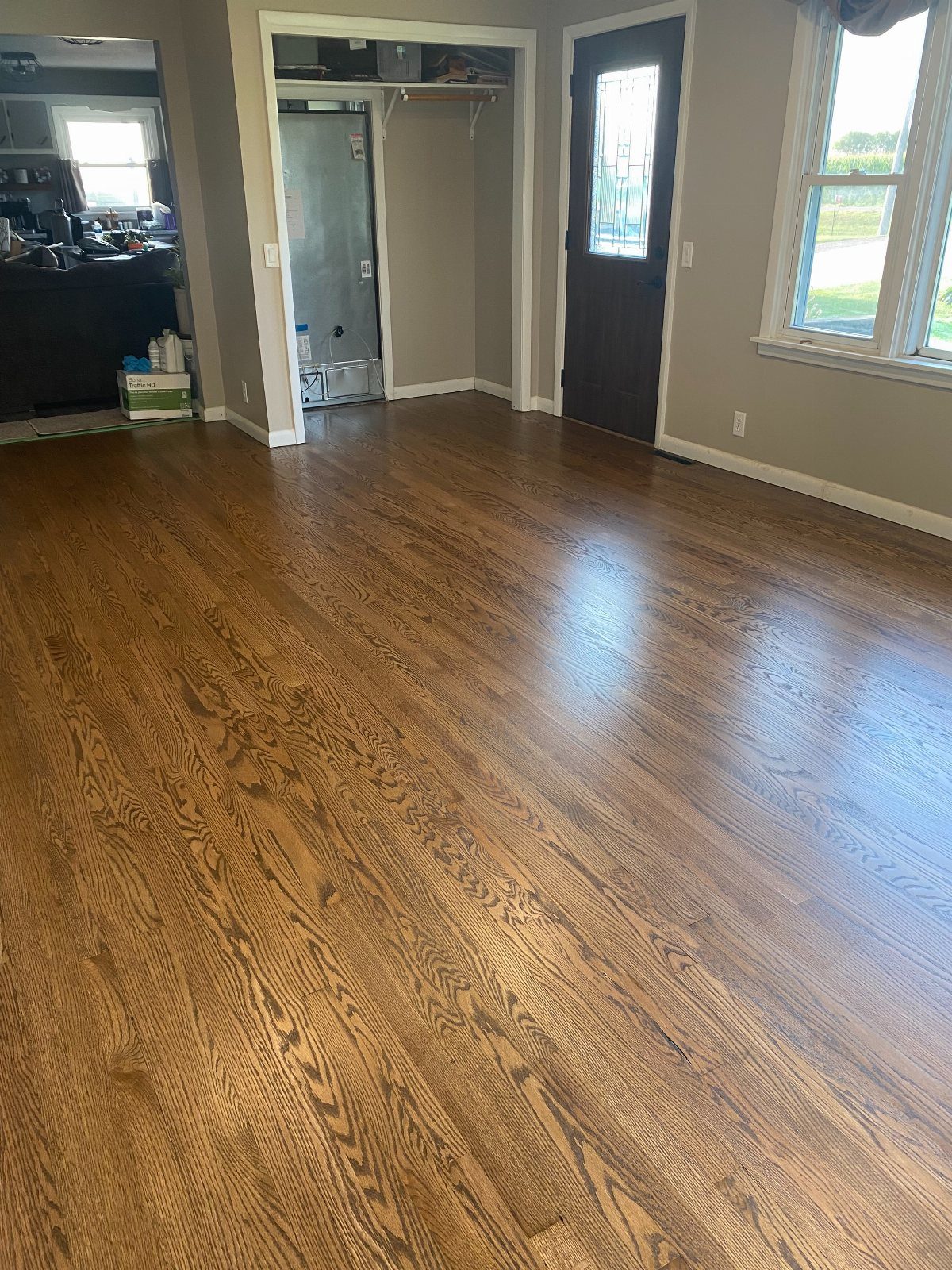
Medium brown hardwood hits a middle ground that neither dominates a room nor disappears into it. Glossy finish catches window light and draws the eye across the grain pattern.
New installation means you can choose plank width and grade to suit the space. Bruce and similar brands offer solid options in this tone at prices that compete with premium vinyl when you factor in longevity.
The gloss level demands more frequent cleaning than satin or matte, and it will telegraph any unevenness in your subfloor. For a forever home where you want traditional warmth with enough brown to hide living, this is the forgiving choice.
Choosing the Right Flooring
Kitchens need something that survives dropped pots, spilled juice, and the claws of a dog who thinks he is helping. Bathrooms want warmth underfoot but cannot tolerate water sitting on the surface.
A basement below grade rules out solid oak no matter how beautiful the grain. The humidity swings down there will cup and gap planks within two seasons.
Engineered hardwood with its layered core stays flat where solid wood would bow. For concrete slabs, the same logic applies: click-lock engineered or vinyl plank goes directly over the surface without the subfloor rebuild that nail-down requires.
Installation Methods
Engineered hardwood ships with two installation systems. Tongue-and-groove demands nailing or gluing, which means a subfloor you can fasten into and the tools to do it straight.
Click-lock drops over existing flooring or concrete, which saves the weekend you would spend tearing out old material.
Engineered planks from Home Decorators Collection start around $3 a square foot, which is where my own shopping usually begins. Wide Plank Hickory Kensington uses hand-selected hickory with bonded solid-wood layers for a consistent grain.
Wymill Hickory goes lighter with a wire-brushed matte finish. Hayes Mill Oak lands in the middle at medium brown, and the seven-layer aluminum oxide wear surface is what sold me for the kitchen.
Everywhere else, engineered buys you the same visible surface with a core that handles what the environment throws at it.
Engineered hardwood lets you enjoy the beauty of solid wood at a more affordable price — as little as $3 per square foot!
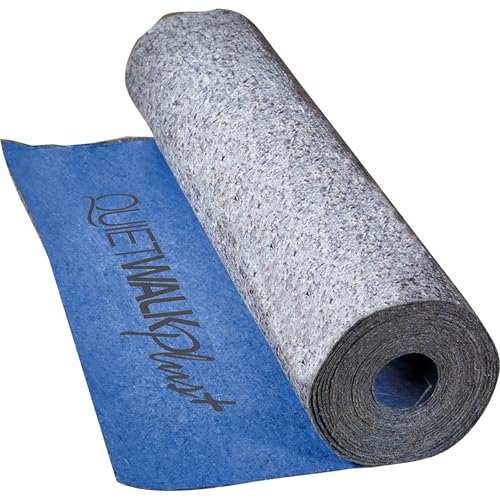
Covers 360 sq ft of laminate, hardwood, and engineered wood flooring
Frequently Asked Questions
How much does it cost to install 1000 sq ft of hardwood flooring?
Red oak and other domestic hardwoods tend to sit at the friendlier end of the price range simply because they are grown here and shipped shorter distances.
Order extra material beyond your exact square footage; cutting waste and the occasional future patch job will thank you later.
Hiring out nail-down installation adds a significant labor line item, so the full project budget needs room for more than just the planks themselves.
What is the cheapest type of wood flooring?
Oak, ash, and poplar grow in U.S. forests and ship without crossing an ocean, which keeps their cost lower than imported exotics.
Engineered construction uses a thin hardwood face over plywood layers, and buying it already finished skips a sanding and sealing step that adds labor hours.
Can hardwood be installed in kitchens or bathrooms?
A kitchen can handle solid hardwood if spills get wiped up quickly and the finish stays intact. A full bathroom steams and splashes too often for solid hardwood to stay stable over the years.
Engineered hardwood or a fully waterproof vinyl stands up better where water is a regular guest.