Creating a space that feels inviting and fresh can sometimes feel like a challenge, especially if you’re working with limited square footage. I made this post to help you add natural beauty to your home without sacrificing style or taking up too much room. Table plants decor is a simple yet effective way to enhance your living space, infusing it with life and personality.
If you love the idea of incorporating greenery into your home but feel unsure about where to start, you’re in the right place. This guide is for anyone who wants to elevate their small spaces with beautiful indoor plants. Whether you’re a seasoned plant lover or just starting your journey, you’ll find plenty of inspiration and practical tips here.
In this post, I’ve gathered 16 creative table plants decor ideas that are stylish, easy to implement, and perfect for small spaces. You’ll discover arrangements that suit your taste, along with ideas on how to make the most of your limited space with stunning plant centerpieces and greenery accents. Let’s jump in and transform your home into a lush oasis!
Key Takeaways
– Discover 16 unique ideas for table plants decor that will bring natural beauty into your home, tailored for small spaces.
– Learn how to create succulent arrangements and cascading greenery that can add height and interest to your table decor.
– Explore the charm of colorful floral vases and stylish planters that can complement your existing decor while adding a fresh touch.
– Get practical advice on layered textures and upcycled planters to personalize your plant displays sustainably and creatively.
– Find tips on how to style your plants effectively and make them the focal point of your space while ensuring they thrive in your home environment.
1. Succulent Arrangements
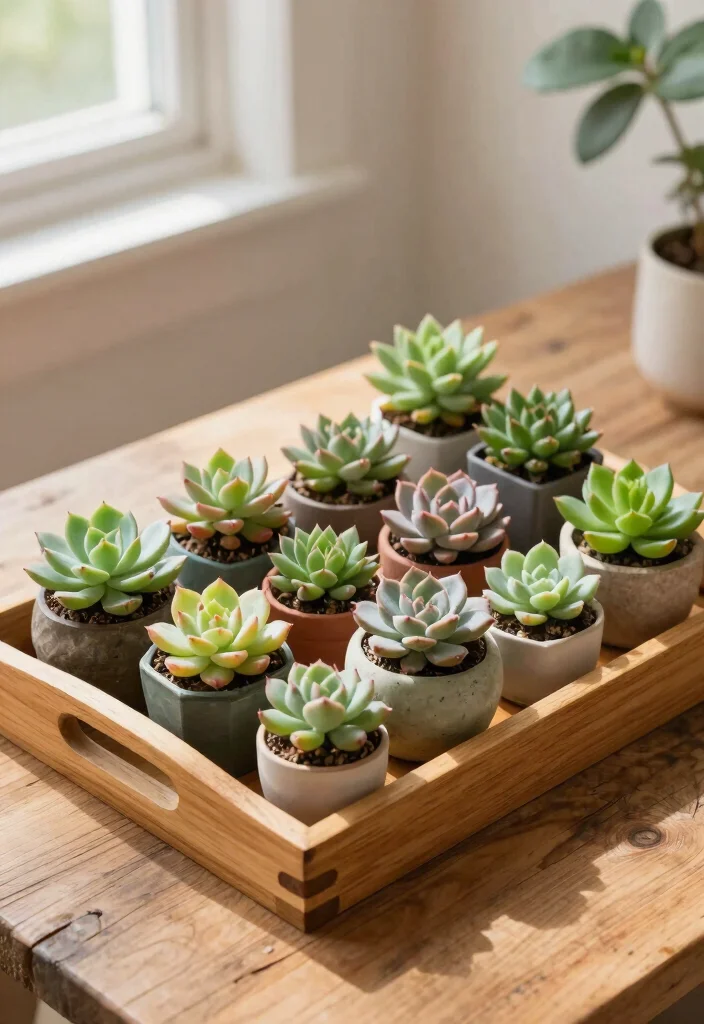
When you want to infuse your space with life and charm, consider succulent arrangements as a perfect choice. These hardy plants not only require minimal care but also bring a unique visual appeal to your decor, making them ideal for any table setting. Mixing various succulent types, such as vibrant Echeveria with striking Haworthia, creates a captivating centerpiece. Use a shallow dish or an eye-catching decorative planter to showcase these plants beautifully, drawing the eye and maximizing your table space.
To make the most of your succulent arrangements, think about incorporating some practical tips. You can easily find budget-friendly options at local nurseries or even big-box stores. Consider adding a layer of colored pebbles or sand to your arrangement for a fresh look that ties into current design trends.
Consider these styling tips to enhance your succulent displays:
– Pair different sizes for visual interest.
– Use vibrant sand or pebbles for an eye-catching contrast.
– Place your arrangement on a textured mat for added depth.
This approach not only creates a stunning focal point but also enriches your decor with natural textures, making your space feel more inviting.
Succulent Arrangements
Editor’s Choice



2. Cascading Greenery
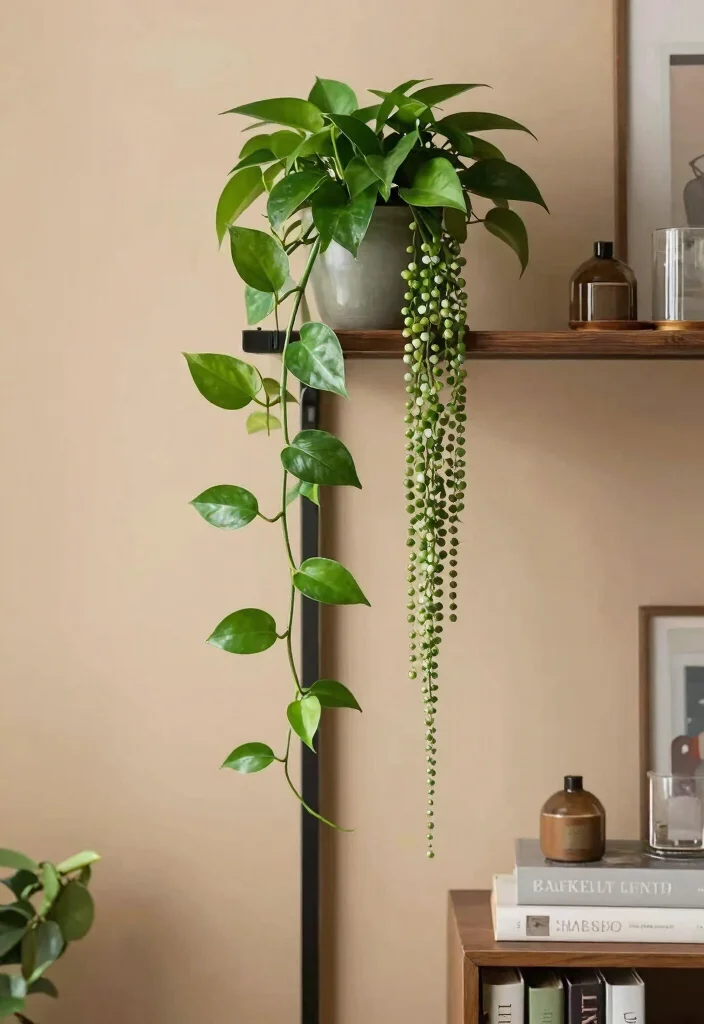
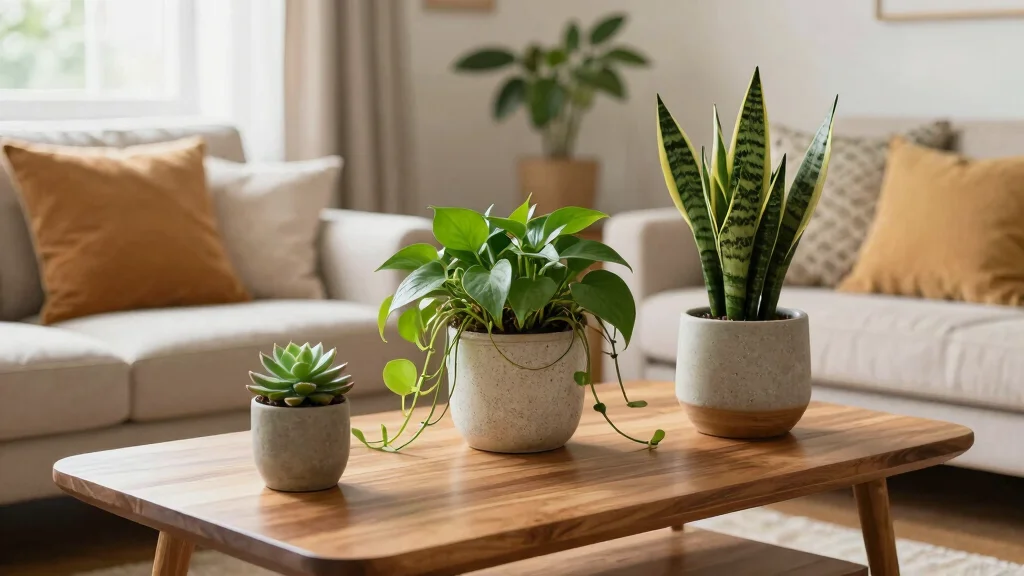
For a touch of drama and lushness, cascading houseplants like pothos or string of pearls can elevate your decor. Their trailing vines create an inviting atmosphere that encourages relaxation and connection to nature. Placing these plants on high shelves or tall planters allows them to gracefully spill over, enhancing the visual appeal of your space.
To implement this look, choose planters that resonate with your style—ceramic for a vintage charm or sleek metal for a modern touch. These plants thrive in bright, indirect light, making them perfect for any room, and they require minimal maintenance, which is ideal for busy lifestyles.
Here are some tips to style cascading greenery:
– Let vines drape over the edges for a fuller appearance.
– Pair with smaller accent plants for added variety.
– Use hanging planters to save space while adding depth.
Cascading plants not only conserve space but also introduce a vibrant, lush element to your decor.
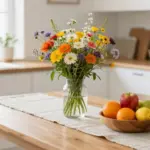
3. Colorful Floral Vases
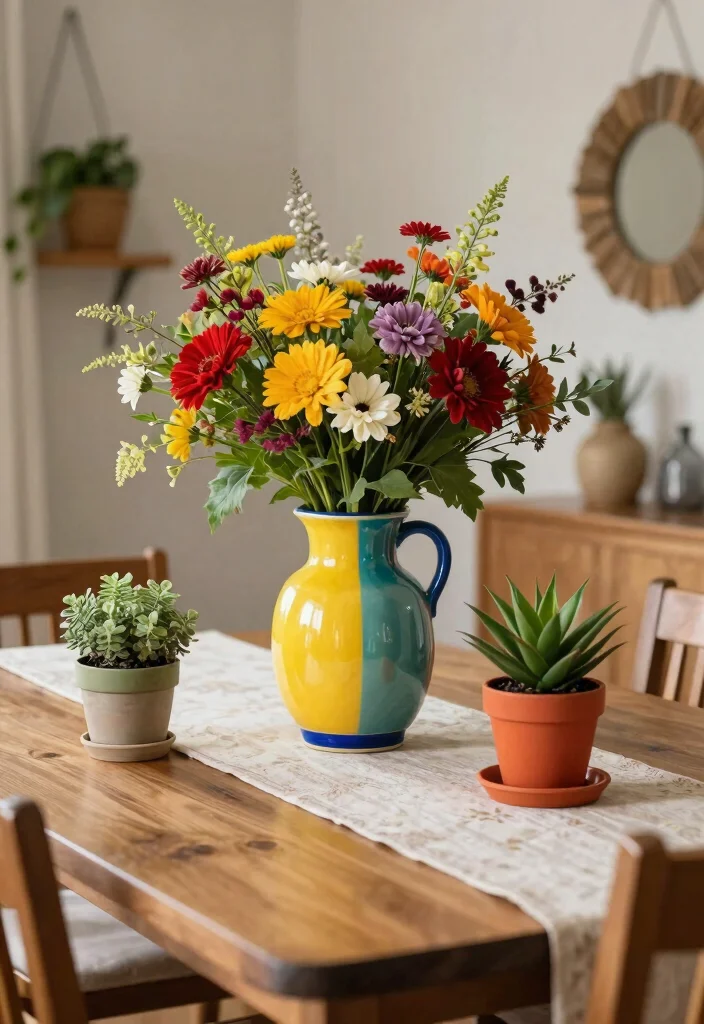
Fresh flowers can instantly brighten your table and bring a burst of color to any setting. By choosing a vibrant vase and filling it with seasonal blooms, you can create a stunning centerpiece that complements your decor theme. Mixing peonies, roses, or wildflowers allows for a rich texture and color palette, enhancing the overall aesthetic of your space.
For a practical approach, opt for vases that showcase the beauty of the stems, like glass for a modern touch or ceramic for added texture. Changing your floral arrangements seasonally keeps your decor fresh and aligned with nature’s cycles, creating a lively and welcoming atmosphere.
Consider these styling tips to create beautiful floral displays:
– Combine with small potted plants for a layered effect.
– Rotate flowers seasonally for ongoing freshness.
– Use floral foam to arrange stems neatly.
The combination of fresh florals and greenery injects life into your decor, making any room feel more inviting and vibrant.
4. Minimalist Terrariums
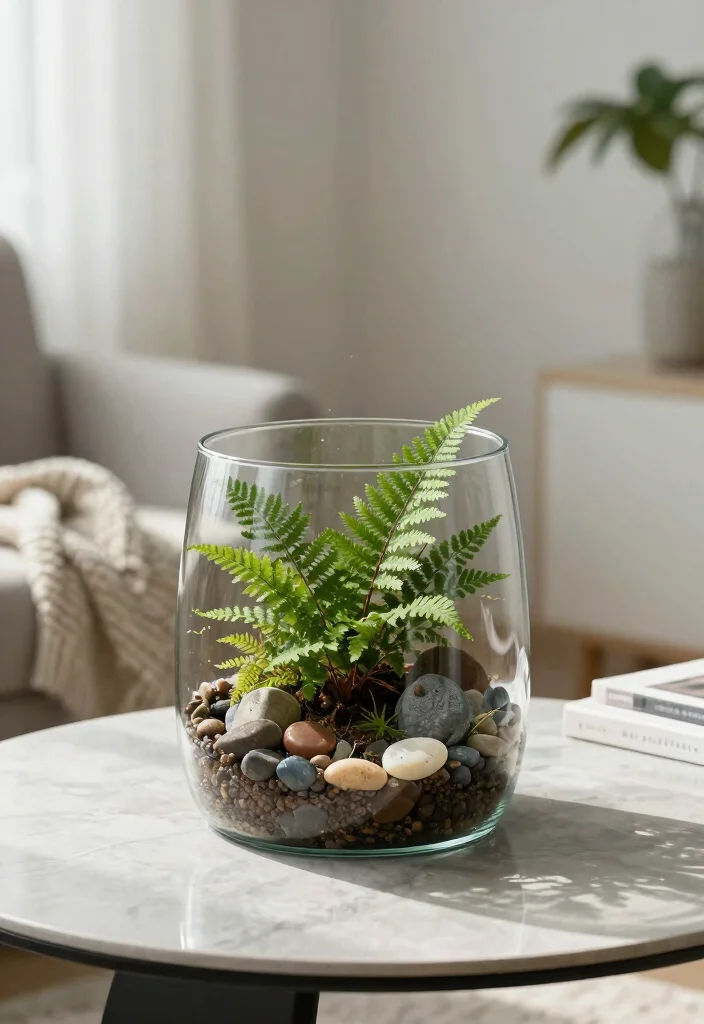
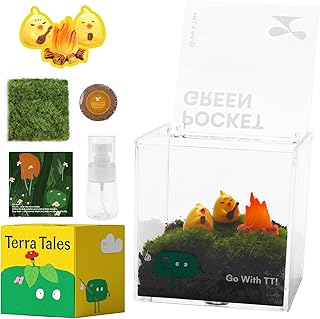
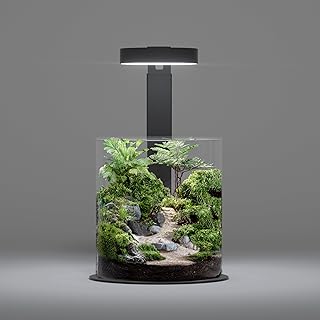
Terrariums offer a charming way to display small plants while keeping your space organized. These mini ecosystems, crafted in glass containers filled with stones, soil, and tiny houseplants like ferns or air plants, create an enchanting visual that sparks joy. They make for stunning centerpieces or accent pieces on tables, depending on their size.
To achieve a minimalist look, consider using a single type of plant or layering materials like sand, moss, and rocks for added texture. Terrariums are easy to care for and bring a unique aesthetic to your decor, making them a favorite among plant lovers.
Here are some tips for styling your terrariums:
– Keep it simple with one plant type for a sleek appearance.
– Layer different materials for visual interest.
– Use varying heights for a more dynamic arrangement.
Terrariums not only enhance your decor but also create a delightful way to enjoy plants indoors, making your space feel more alive.
Minimalist Terrariums
Editor’s Choice


5. Vintage Books and Plants
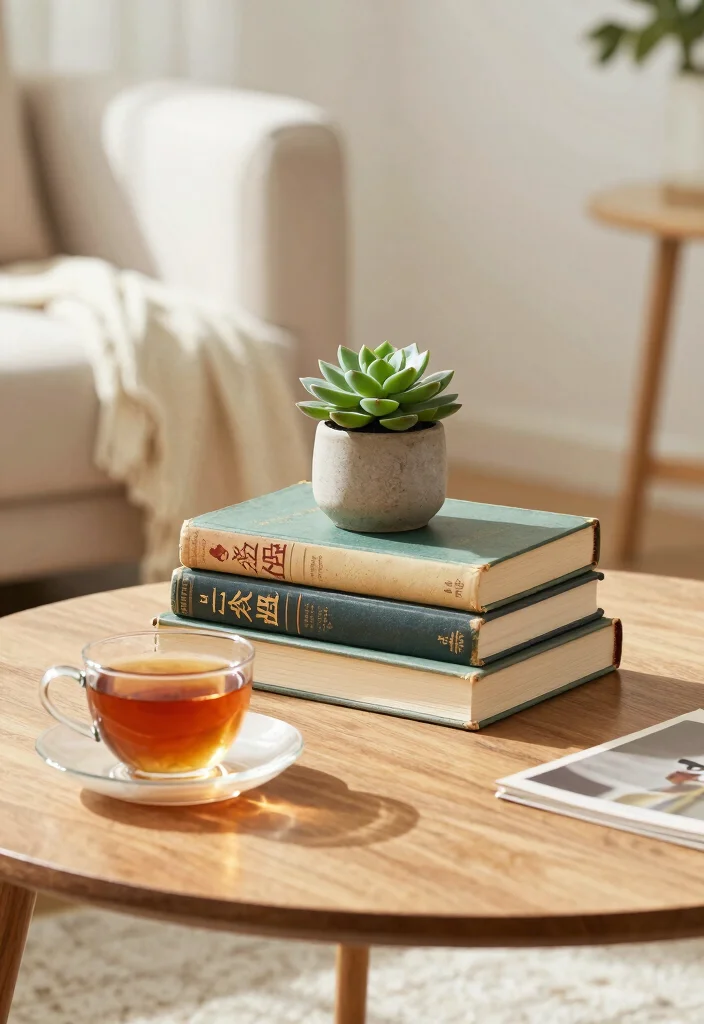
Blend your love for literature with greenery by showcasing plants on vintage books. Stacking books and placing a small potted plant or striking succulent on top adds character and dimension to your table decor. Choose books with beautiful covers that harmonize with your plant’s colors to create a cohesive look that feels thoughtfully curated.
For a casual yet stylish approach, mix and match book sizes and colors. Positioning the plant at an angle can introduce a playful element to your arrangement, making it both functional and visually appealing.
Here are some tips for styling with books and plants:
– Combine different book sizes for an eclectic feel.
– Angle the plant for a fun twist.
– Use books with various colors for visual interest.
This creative method adds personality to your decor and can become a delightful conversation starter in any room.
People often underestimate how much character a simple stack of vintage books and a plant can add to a table. Mixing sizes and colors makes your table plants decor feel thoughtful and lived-in. Pro tip: group three varying heights for instant drama.
6. Stylish Planters
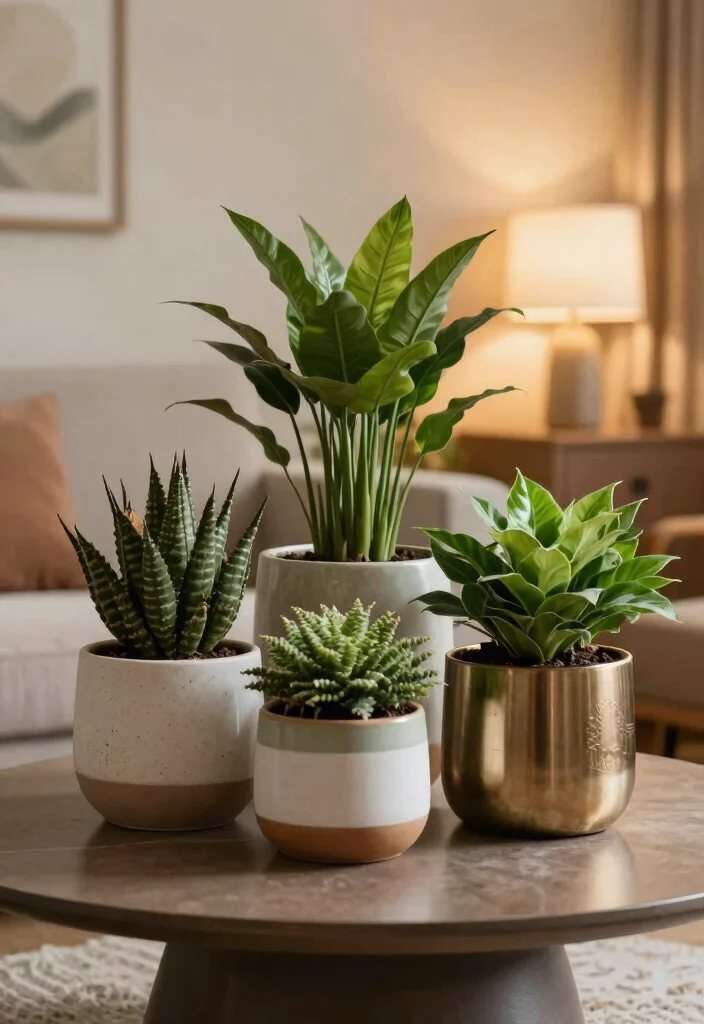
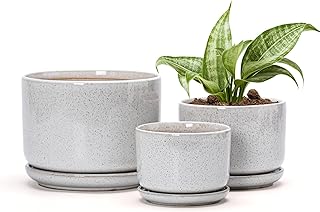
The right planters can significantly enhance your table plant decor. Choose stylish options that reflect your home aesthetic—ceramic, metallic, or even woven baskets can transform your plants’ presentation. Mixing textures and colors can inject personality into your decor while maintaining harmony throughout your space.
Always opt for planters with drainage holes to ensure your plants thrive. A colorful planter can make a bold statement, while a neutral one can create a sleek, modern look that complements your decor style.
Consider these tips for selecting stylish planters:
– Group plants of varying heights for visual appeal.
– Use a single type of planter for a unified look.
– Choose tall planters to create height variation.
A well-selected planter not only enhances your plants but also acts as a beautiful decor element in its own right.
Stylish Planters
Editor’s Choice


7. Aromatic Herbs
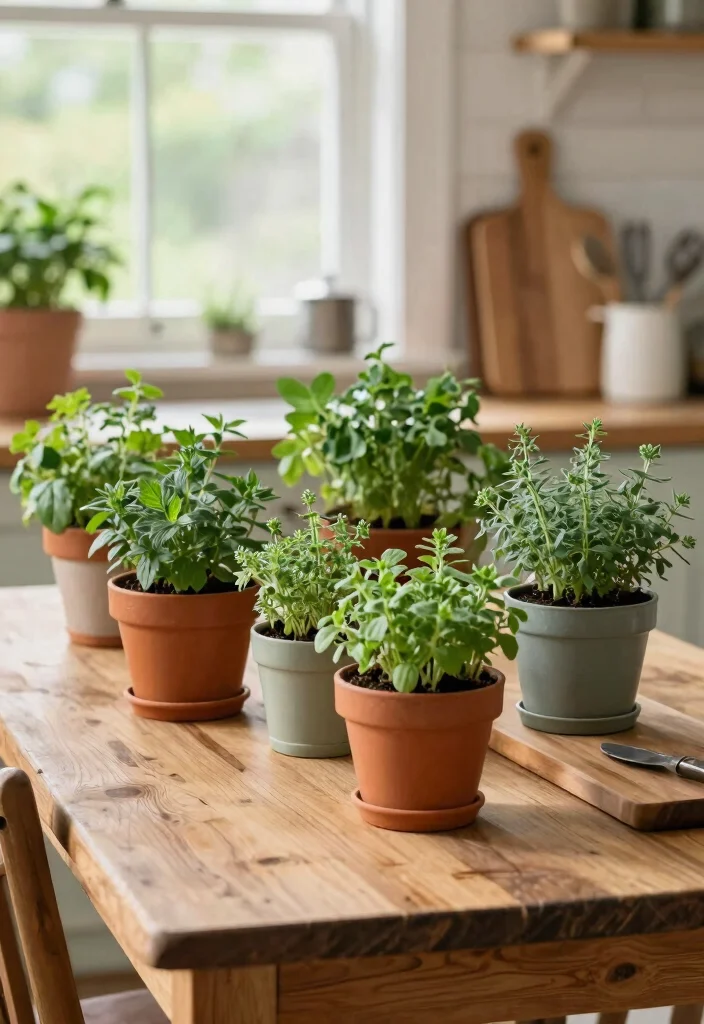
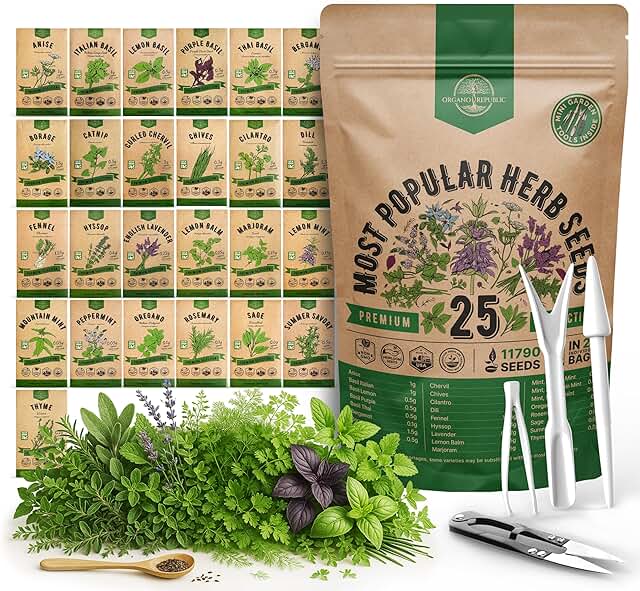
Incorporating aromatic herbs into your table decor not only beautifies your space but also fills it with delightful scents. Growing herbs like basil, rosemary, or mint in small pots can enhance your kitchen or dining area while providing fresh ingredients for cooking. These plants thrive in bright light and are easy to care for, making them a practical addition.
To make them stand out, consider using colorful pots that complement your kitchen’s aesthetic. Creating a mini herb garden by combining different herbs in one container can be a fun and functional display.
Here are some styling tips for aromatic herbs:
– Choose colorful pots to highlight their beauty.
– Combine various herbs in one pot for a dynamic look.
– Regularly prune to encourage growth and maintain tidiness.
Aromatic herbs can elevate your daily routines and enhance your meals with fresh flavors and fragrances.
Aromatic Herbs
Editor’s Choice


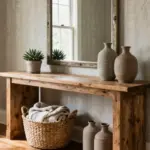
8. Layered Textures
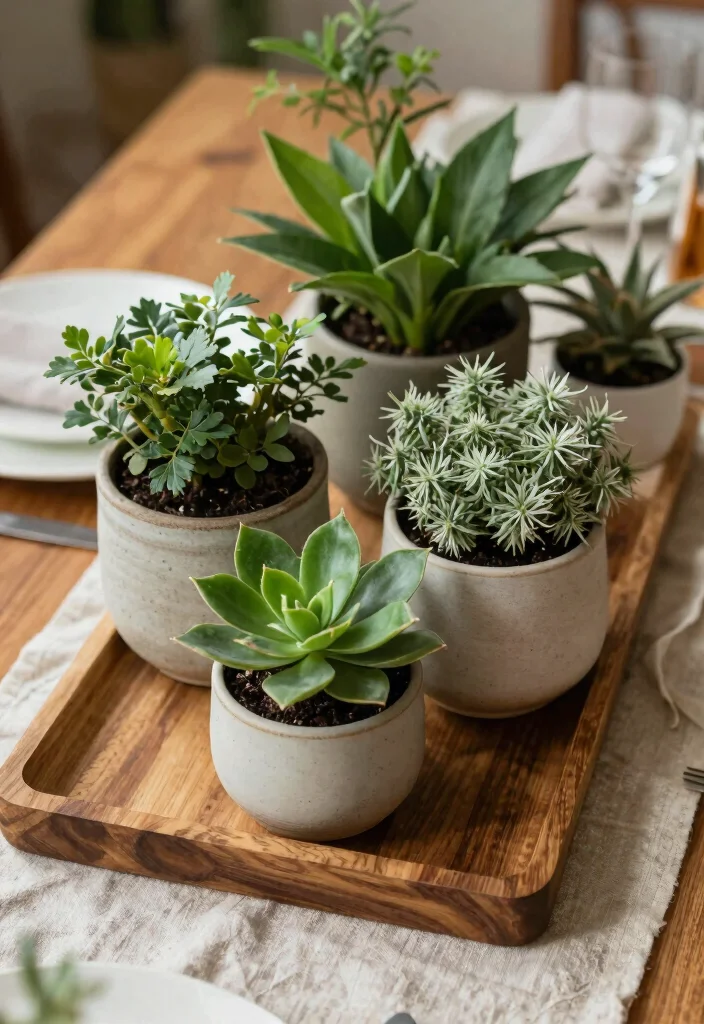
Combining various textures can add depth and interest to your table plant arrangements. Try layering different materials such as wood, metal, and textiles to create a rich visual experience. For example, placing a wooden tray down and arranging plants on it while incorporating a soft cloth underneath can create a cozy and inviting atmosphere.
Experimenting with textures not only enhances the visual appeal but also makes your decor feel more dynamic. Use contrasting colors to further enhance the effect, creating an engaging focal point for your space.
Here are some tips for layering textures:
– Start with a base layer and build up for depth.
– Mix materials like ceramic pots, wooden trays, and linen.
– Use contrasting colors to highlight different textures.
Layered textures can elevate your plant decor, making every arrangement feel thoughtfully designed and visually stimulating.
9. Monochromatic Plant Displays
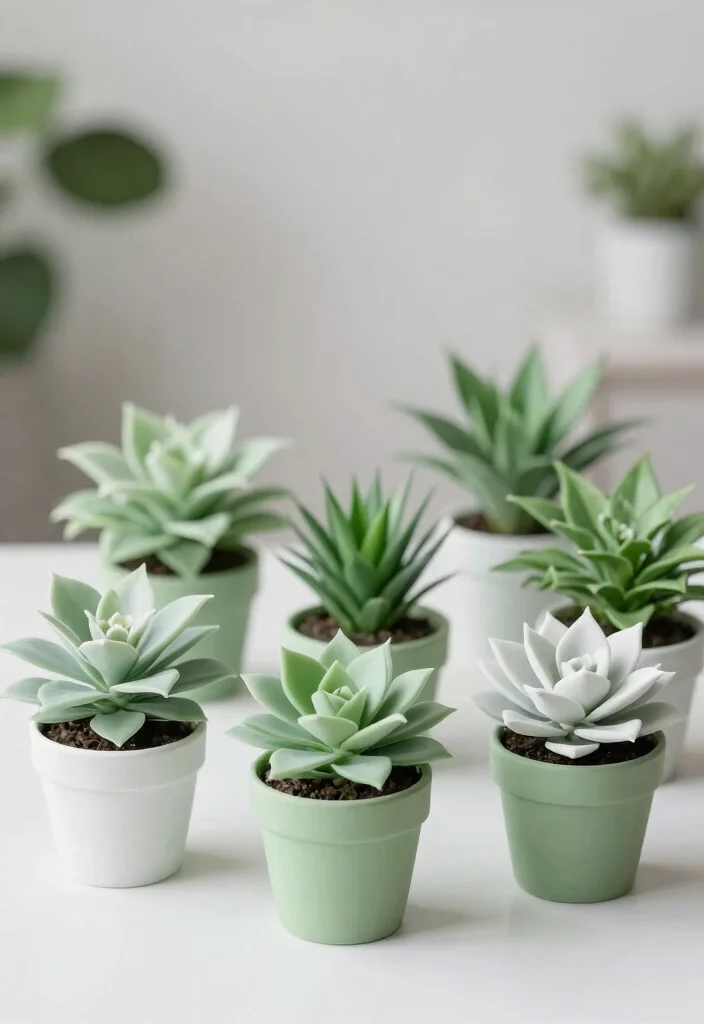
For a chic and sophisticated look, consider creating monochromatic plant displays. Selecting plants and pots that share a similar color palette—like shades of green, white, or earthy tones—can result in a serene and cohesive atmosphere. This design approach allows you to play with different shades and textures while maintaining a unified aesthetic.
Using pots of varying heights can create visual interest, while grouping different plant types within the same color family adds depth to your arrangement. Incorporating small decorative elements that align with your color scheme can enhance the overall effect.
Consider these tips for monochromatic displays:
– Vary pot heights for added dimension.
– Group plants of similar colors together for harmony.
– Add matching decorative elements for cohesion.
Monochromatic decor creates a calm and stylish ambiance, making it perfect for any setting.
Top Varieties for Different Conditions
1. Snake Plant (Sansevieria)
– Best conditions: Thrives in low light and requires little water.
– Key features: This hardy indoor plant is known for its air-purifying abilities and striking upright leaves. It can tolerate neglect, making it perfect for busy people or beginners.
– Considerations: Avoid overwatering as it can lead to root rot.
2. Pothos (Epipremnum aureum)
– Best conditions: Grows well in a variety of light conditions but prefers indirect sunlight.
– Key features: Pothos is easy to propagate and has beautiful trailing vines that add a touch of greenery to any table. Its heart-shaped leaves come in various colors, from green to variegated.
– Considerations: While it is generally low maintenance, it can become leggy without enough light.
3. ZZ Plant (Zamioculcas zamiifolia)
– Best conditions: Optimal in low to bright indirect light; drought-resistant.
– Key features: ZZ plants have glossy, dark green leaves that add elegance to any decor. They are tolerant of neglect, making them a great choice for small spaces.
– Considerations: Keep out of reach of pets as its leaves can be mildly toxic.
4. Peace Lily (Spathiphyllum)
– Best conditions: Prefers medium to low indirect light and high humidity.
– Key features: Known for its stunning white blooms, the Peace Lily is also an excellent air purifier. Its lush leaves and delicate flowers create a calming atmosphere.
– Considerations: Make sure to water it regularly, as it wilts when dry.
5. Spider Plant (Chlorophytum comosum)
– Best conditions: Thrives in bright, indirect sunlight and can handle a range of humidity levels.
– Key features: Spider plants produce “baby” plants that can be easily propagated. They are known for their arching leaves and can add a playful touch to your table decor.
– Considerations: Be cautious of overwatering; their roots need space to breathe.
6. Air Plants (Tillandsia)
– Best conditions: Prefers bright, indirect light with good air circulation.
– Key features: Air plants don’t need soil and can be displayed in unique ways, from hanging to placing them on rocks or driftwood. They thrive on moisture from the air and occasional soaking.
– Considerations: Requires regular misting or soaking; they can dry out quickly in low humidity.
7. Cactus (Various species)
– Best conditions: Ideal for hot, dry conditions with plenty of sunlight.
– Key features: Cacti are low-maintenance and come in various shapes and sizes, perfect for adding unique textures to your decor. They require minimal watering and are great for busy spaces.
– Considerations: Be cautious with placement, as some species have spines that can cause injury.
Climate/Condition Guide:
– Temperate: Many indoor plants thrive here, like Snake Plants and Pothos, as they can handle a range of light conditions.
– Continental: Opt for hardy varieties like ZZ Plants, which can deal with temperature fluctuations.
– Coastal: Choose plants that enjoy humidity, such as Peace Lilies and Spider Plants, to flourish in moist air.
– Hot/Dry: Cacti and succulents are your best bets as they love the sun and require little water.
– Humid: Air Plants and Peace Lilies thrive in these conditions, benefiting from the extra moisture in the air.
Growing Tips:
– Ensure to rotate your plants occasionally for even growth.
– Check for pests regularly and keep leaves clean to promote healthy growth.
– Use well-draining soil and pots with drainage holes to prevent overwatering.
Avoid:
– Overwatering your plants, as it can lead to root rot and other issues.
– Placing plants in direct sunlight without considering their light needs, which might scorch their leaves.
10. Wall-Mounted Planters
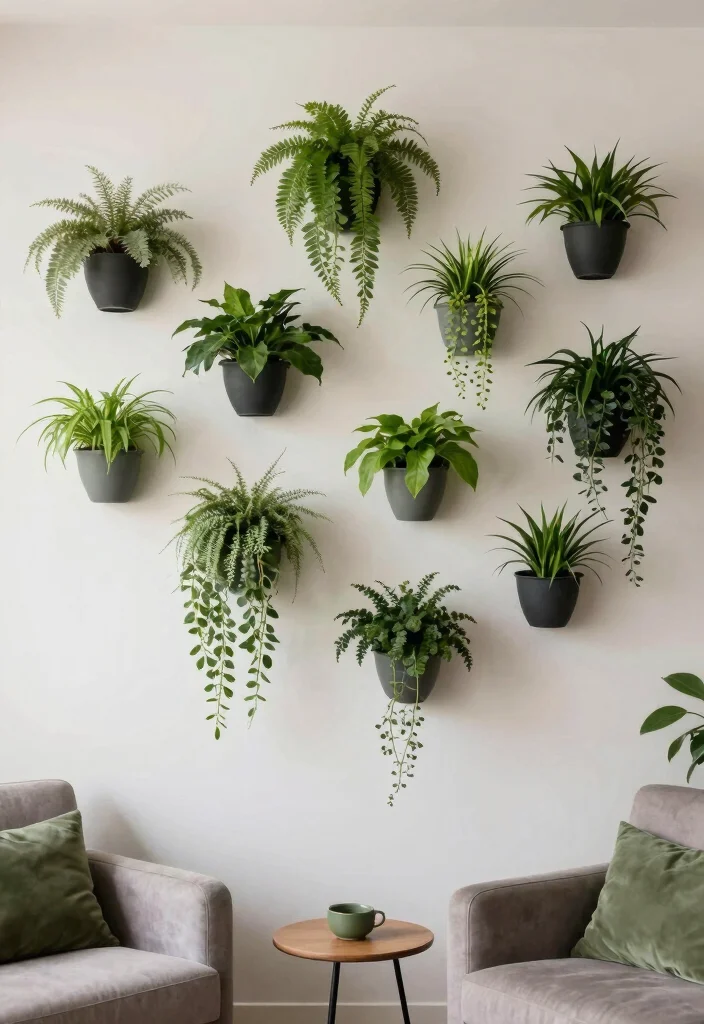
Maximize your table space by incorporating wall-mounted planters into your decor. These vertical arrangements allow you to showcase plants without taking up valuable tabletop real estate. Choosing aesthetically pleasing wall-mounted containers and filling them with trailing plants can create an eye-catching display that enhances your decor.
This approach not only saves space but also adds a unique visual element to your home. Consider selecting plants that thrive in indirect light to ensure they flourish in their new environment.
Here are some tips for styling wall-mounted planters:
– Choose planters that blend seamlessly with your decor.
– Arrange them in clusters for a striking visual impact.
– Opt for plants that thrive in indirect light for best results.
Wall-mounted planters can transform an ordinary wall into a lush green feature while keeping your table clutter-free.
11. Seasonal Decor
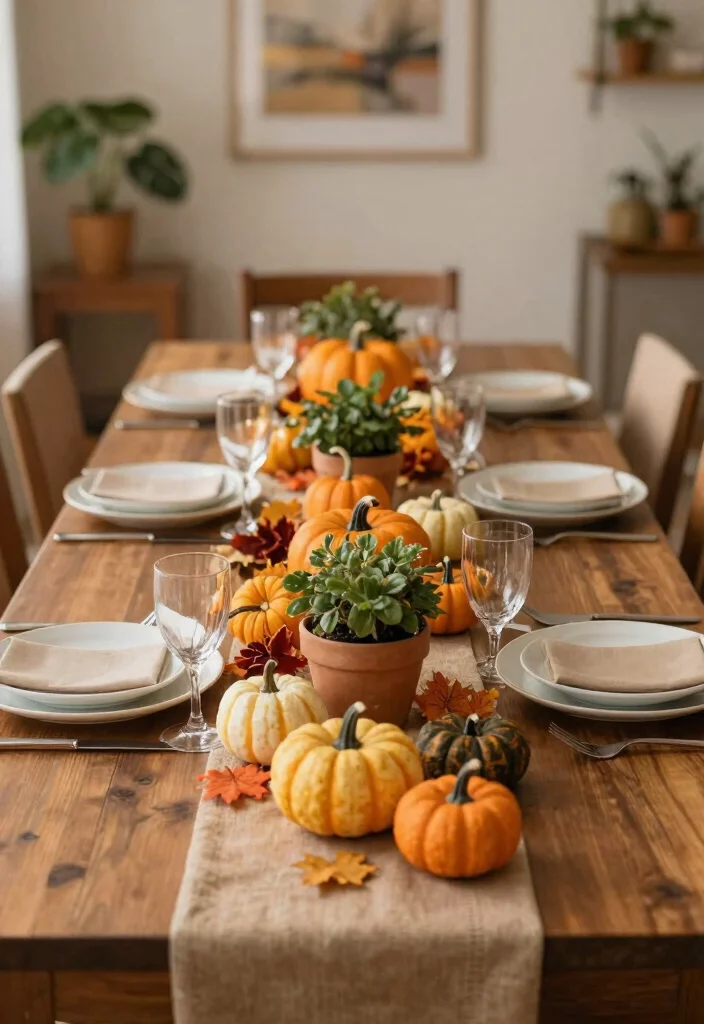
Enhance your table plant decor by incorporating seasonal elements throughout the year. For instance, during fall, adding small pumpkins around your plants can create a festive feel, while winter can be brightened with pinecones, and spring can showcase vibrant floral arrangements. This practice keeps your decor fresh and aligned with the changing seasons, fostering a lively atmosphere in your home.
To maintain interest, regularly update decorations to reflect the current season’s palette. Creating small vignettes that tie in with your plants can add an extra layer of charm to your decor.
Consider these tips for seasonal decor:
– Regularly change decorations to keep things exciting.
– Use colors that reflect seasonal themes.
– Create cohesive vignettes to enhance your plants.
Seasonal decor adds a joyful touch, ensuring your arrangements feel new and engaging throughout the year.
12. Upcycled Planters
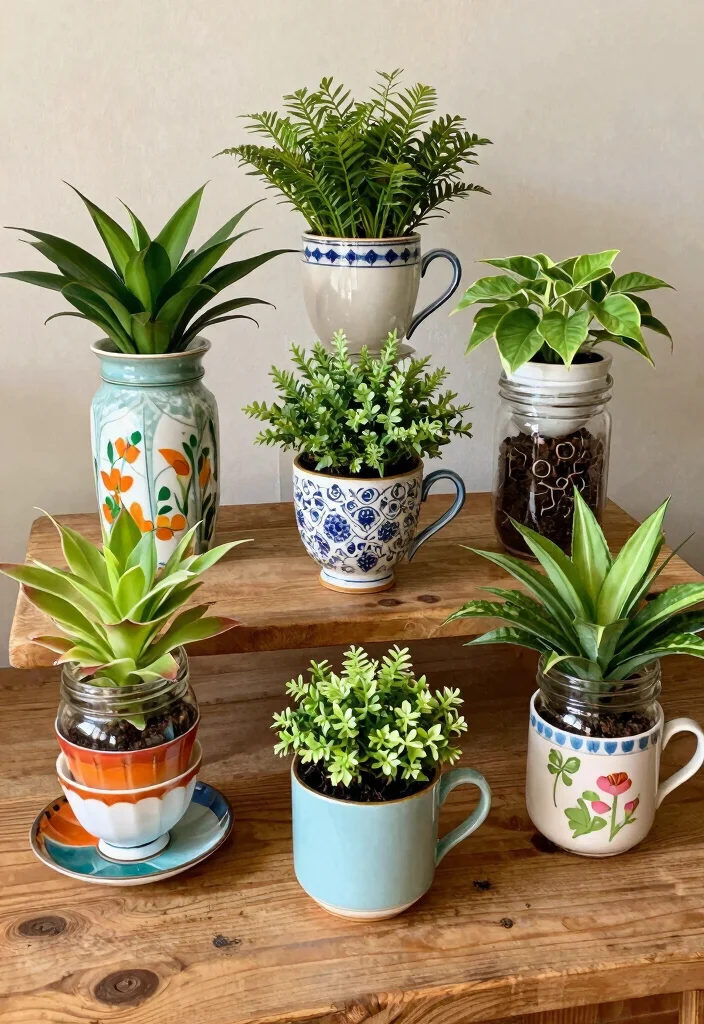
Breathe new life into old items by repurposing them as unique planters. Think creatively—teacups, mason jars, or even old shoes can all serve as quirky plant holders. This approach not only adds character to your space but also showcases your creativity and commitment to sustainability.
Using upcycled planters can tell a story and become conversation starters, making your decor even more special. Combine plants of varying heights in different upcycled containers for an eclectic display.
Here are some tips for using upcycled planters:
– Choose items that reflect your personal style.
– Mix heights for visual variety in your arrangements.
– Consider painting or decorating your upcycled items for a fresh look.
Upcycling adds a personal touch to your decor while promoting eco-friendly practices, making your home unique and meaningful.
13. Plant Stands
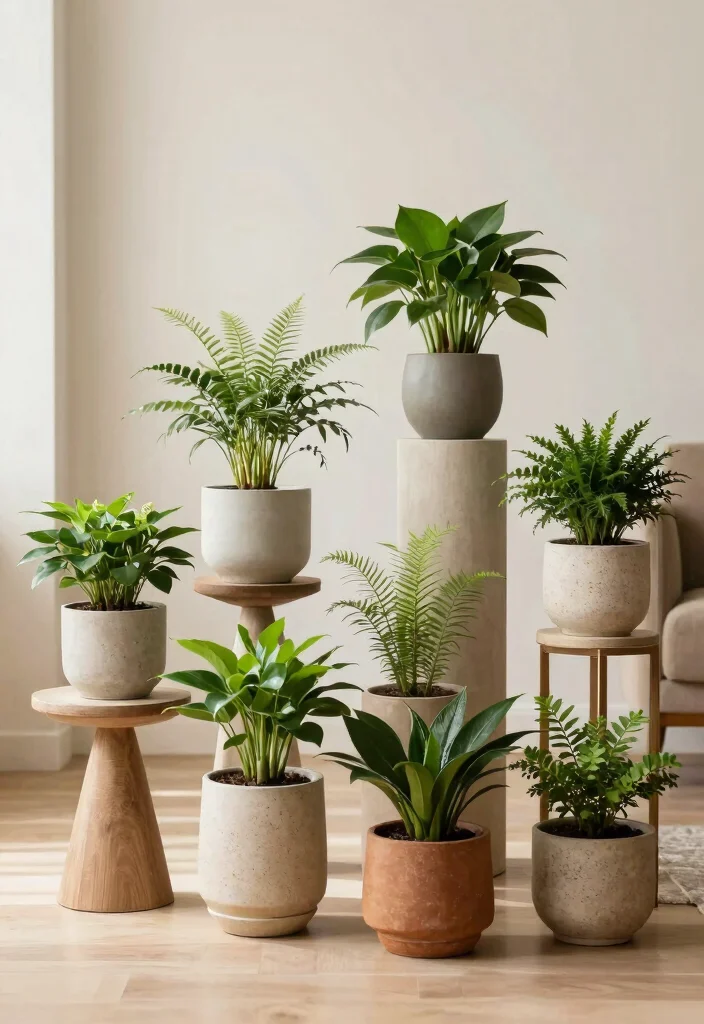
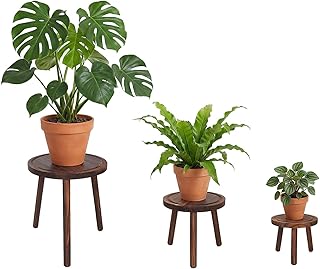
Plant stands can elevate your greenery, both literally and aesthetically! By raising your plants to eye level, they not only become more visible but also add an artistic touch to your decor. Available in various styles—wood, metal, or tiered designs—plant stands allow for unique arrangements that beautifully showcase your plants.
To make the most of your plant stands, select ones that complement your decor style. Using tiered stands can create a dynamic look with multiple plants, while grouping smaller plants on a stand can create a compact yet impactful arrangement.
Consider these styling tips for your plant stands:
– Match stands to your overall decor theme.
– Use tiered stands for varied height and interest.
– Group smaller plants for a cohesive arrangement.
Plant stands not only create visual intrigue but also ensure your plants are given the attention they deserve, enhancing your overall decor.
Plant Stands
Editor’s Choice




14. Color Contrast
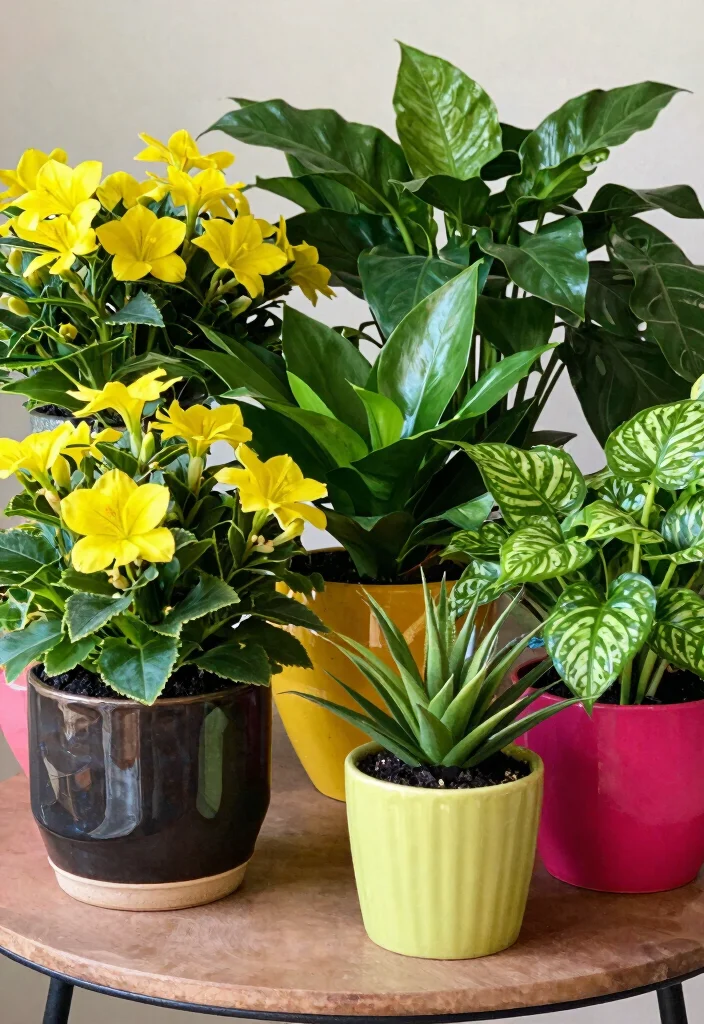
Infuse excitement into your table decor with bold color contrast. Pair vibrant plants with neutral or dark pots to make them pop or choose bright planters for lush green plants to create a stunning visual impact. This technique draws the eye and creates an engaging focal point in your space, making your decor more dynamic.
Experimenting with complementary colors can enhance vibrancy, while keeping surrounding decor minimal allows the colors to shine even brighter. Using contrasting shades in nearby decor can tie the whole look together for a cohesive feel.
Here are some styling tips for color contrast:
– Play with complementary colors for added vibrancy.
– Keep surrounding decor minimal for focus.
– Use contrasting shades nearby for a cohesive look.
Color contrast can energize your space and breathe life into your plant arrangements, making every corner feel fresh and exciting.
Fun fact: in table plants decor, strong color contrast can boost perceived space by up to 20%. Pair vibrant plants with neutral pots to make colors pop, or use bright planters for lush greens to create a dynamic focal point in small spaces.
15. Multi-Level Displays
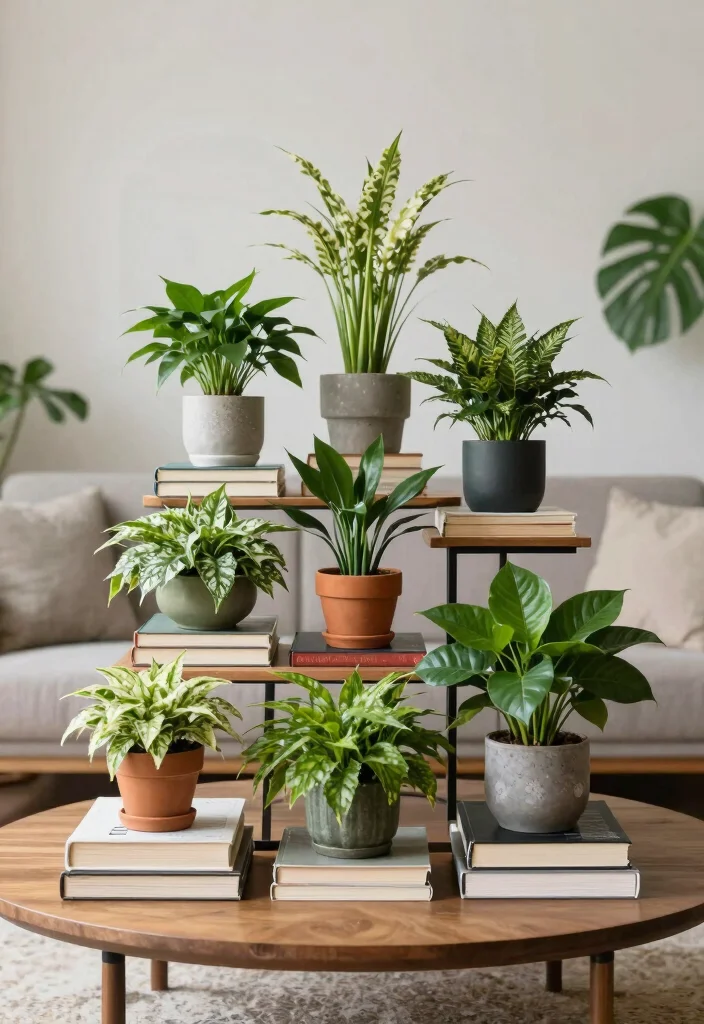
Incorporate multi-level displays to add depth and dimension to your plant decor. Using shelves, books, or risers allows you to create varying heights among your plants, ensuring each one shines while making the arrangement visually appealing. Combining different plant types and heights leads to an artistic yet harmonious table decor.
For optimal effect, mix plant varieties for added interest and use risers or stacked books to create elevation. Grouping plants with similar care needs together can simplify maintenance and enhance the overall look.
Here are some tips for multi-level displays:
– Mix different types of plants for variety.
– Use risers or books to create visual elevation.
– Group plants with similar needs for easy care.
Multi-level displays can transform ordinary arrangements into extraordinary focal points, making your decor feel more intentional and engaging.
Fun fact: Mixing three height levels—towering, mid, and low—can boost the visual impact of table plants decor by up to 35%. Use shelves, risers, or stacked books to create that dynamic, eye-catching spread you want, and group plants with similar care for easy care.
16. Eco-Friendly Decor
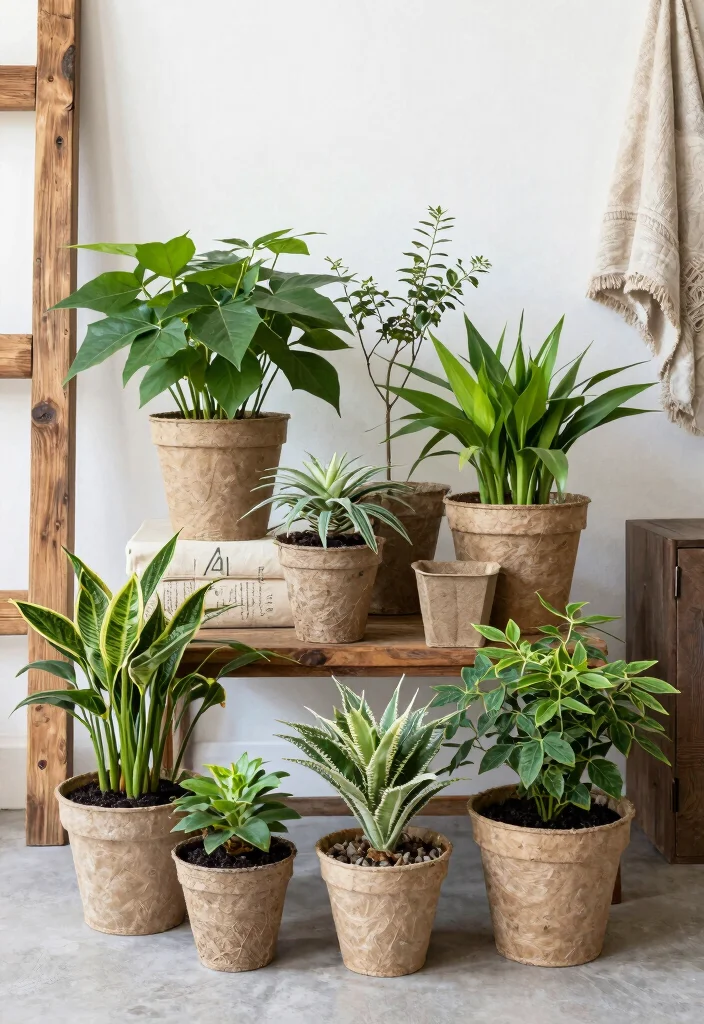
Embrace sustainability by integrating eco-friendly decor elements into your plant displays. Utilizing biodegradable pots, organic soil, or even recycled materials for your arrangements can add a meaningful touch to your home while supporting a healthy lifestyle. This approach resonates with the growing trend of sustainability in home design, making your decor not only beautiful but also responsible.
Incorporating natural materials like wood and stone can further enhance the eco-friendly aspect of your decor. Choosing organic plants or growing your own from seeds fosters a more sustainable connection to nature.
Consider these styling tips for eco-friendly decor:
– Use natural materials to enhance sustainability.
– Choose organic plants or grow your own from seeds.
– Opt for locally sourced decor items for added eco-friendliness.
Creating an eco-friendly display beautifies your home while positively impacting the environment, making it a choice you can feel good about.
Conclusion
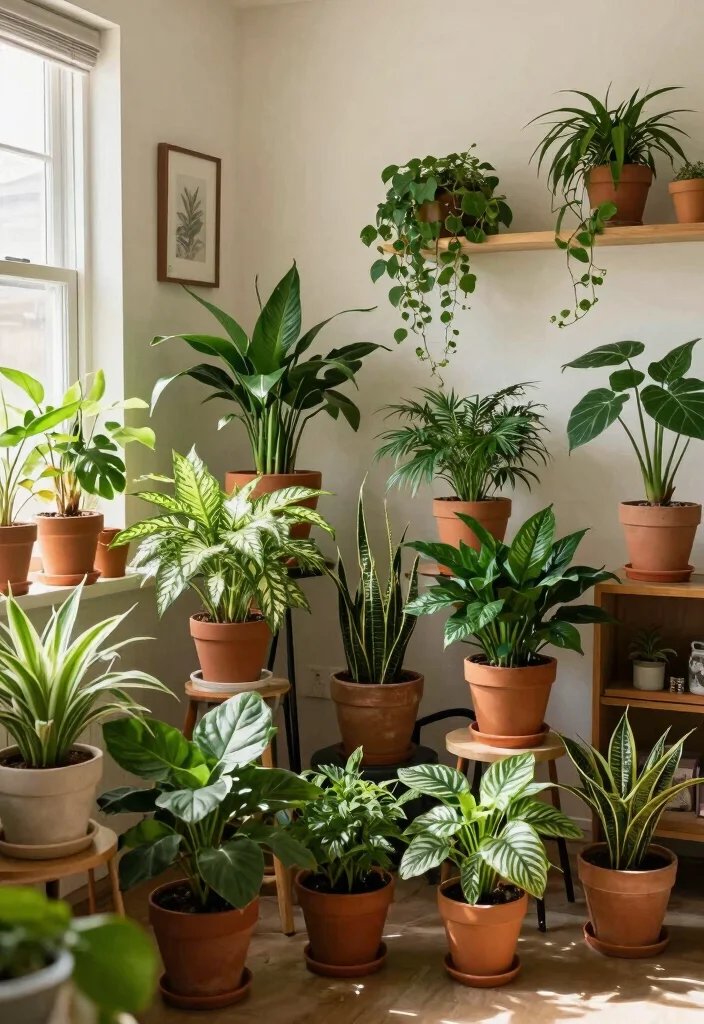
Enhancing your home with table plants decor is a fantastic way to infuse natural beauty into any small space.
From succulents to cascading greenery and everything in between, there are countless ways to showcase your love for plants. With all these creative ideas at your fingertips, why not start transforming your spaces today? Your home will thank you for it.
Note: We aim to provide accurate product links, but some may occasionally expire or become unavailable. If this happens, please search directly on Amazon for the product or a suitable alternative.
This post contains Amazon affiliate links, meaning we may earn a small commission if you purchase through our links, at no extra cost to you.
Frequently Asked Questions
What are the best table plants decor ideas for small spaces?
Small spaces deserve lush touches, not clutter. Start with compact, easy‑care indoor plants like pothos, snake plant, and ZZ plant. Use a tiered plant stand or a shallow tray to add height without taking up extra space.
For table centerpieces, group 2–3 plants in complementary pots and finish with a simple runner to unify the look. Try incorporating hanging planters or wall shelves nearby to add greenery accents without crowding the table surface.
With these plant styling tips, you can achieve a beautiful table plants decor vibe that fits neatly on a table.
How do I choose indoor plants that thrive on a table without cluttering the space?
Start with compact varieties that suit your light, such as pothos, small ZZ plant, jade, or a trio of succulents. Check light conditions and pick plants that tolerate your table’s brightness. Use small, uniform pots on a shallow tray to keep the surface tidy and easy to water.
Group 2–3 plants as a cohesive greenery accents and keep the overall palette simple to avoid looking busy. This is a practical way to achieve table plants decor in any room.
What are simple table centerpieces using greenery accents for beginners?
Three quick ideas: 1) a tall stem with two smaller companions in coordinating pots, 2) a low tray of mixed mini-plants, 3) a glass terrarium with air plants. Use natural materials for the planters to enhance cohesion. Mix textures like glossy leaves with soft succulents to create interesting greenery accents. Keep the color palette neutral to match most decors, and maintain watering schedules so the arrangement stays fresh.
These are classic table centerpieces that maximize impact with minimal effort and smart plant styling tips.
How can I style a cohesive tablescape with multiple houseplants without overwhelming the table?
Stick to an odd-number grouping (3 or 5) and vary heights with short pots, mid stands, and a taller centerpiece. Pick planters in a consistent material or color family to tie everything together as one houseplants decoration aesthetic. Use a single tray or runner to anchor the arrangement and give each plant breathing space, so the look remains calm and intentional. With thoughtful plant styling tips, you get a polished, cohesive table plants decor look.
What care tips keep table plants looking fresh in limited light or busy spaces?
Match your picks to the light available and choose a few that thrive in indoor environments. Water on a schedule rather than by eye, and ensure pots have drainage and a tray to catch excess moisture. Clean leaves weekly to maximize photosynthesis and keep colors vibrant. Rotate plants every couple of weeks so growth stays even, and position them where they won’t be bumped by guests or devices. These practical care steps help maintain indoor plants, table centerpieces, and overall plant styling tips.
Related Topics
table plants decor
indoor plants
houseplants decoration
table centerpieces
greenery accents
plant styling tips
small space decor
easy plant care
minimalist design
budget friendly
home office plants
seasonal decor